Facial Cleansing Cream Formulation Help: Addressing Separation and Oily Texture
Question
I am interested in formulating a facial cleansing cream and would like to know if the following ingredient list is correct. I have tried mixing it multiple times, but it always separates and feels oily. I need advice on the correct percentages for each ingredient and the proper mixing method to prevent separation.
- Ingredients:
- Glycerin
- Allantoin
- Disodium EDTA
- Sodium Lactate 60%
- Sodium PCA 50%
- Lauric Acid
- Stearic Acid
- Butylene Glycol
- Glyceryl Monostearate
- Cetearyl Alcohol
- Potassium Hydroxide
- Glycolic Acid
- Phenoxyethanol
- Rose Es. Oil / Fragrance
- Vitamin-E Acetate
- Citric Acid
- Polysorbate 20 (Tween 20)
- Water
Answer
Answer for Facial Cleansing Cream Formulation
Hello! It's completely understandable that formulating cosmetics requires experimentation. The list of ingredients you've put together is interesting and includes many common components found in cream-based facial cleansers.
The issue of separation and oily texture you're experiencing is common when creating an emulsion, which is a mixture of water-based (Water Phase) and oil-based (Oil Phase) ingredients that are kept stable together. The separation indicates that your emulsifier system isn't suitable or sufficient, or the mixing process isn't quite right.
Let's look at the ingredients you're using and their roles in a cleansing cream formula:
Water Phase Ingredients:
- Glycerin: A humectant that helps attract and retain moisture in the skin.
- Allantoin: Helps reduce irritation and promotes tissue regeneration.
- Disodium EDTA: A chelating agent that binds metal ions in water, preventing them from interfering with other ingredients and improving formula stability.
- Sodium Lactate 60%: A humectant and part of the Natural Moisturizing Factor (NMF), helps increase skin hydration.
- Sodium PCA 50%: A humectant and part of the NMF, helps increase skin hydration and strengthens the skin barrier.
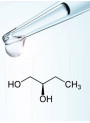
- Butylene Glycol: A solvent and humectant, helps dissolve certain ingredients and adds moisture.
- Potassium Hydroxide: A pH adjuster used to increase pH. It also reacts with fatty acids (Lauric Acid, Stearic Acid) to create soap (Saponification), which can act as an emulsifier and cleansing agent.
- Glycolic Acid: An AHA that helps exfoliate the skin. It should be used at an appropriate concentration and pH for effectiveness and to minimize irritation.
- Phenoxyethanol: A preservative.
- Citric Acid: A pH adjuster used to lower pH, typically added in the final step.
- Polysorbate 20 (Tween 20): A solubilizer that helps disperse oils or fragrances in water. It's a relatively weak emulsifier and is often used in combination with others.
- Water (Purified Water): The main base of the formula.
Oil Phase Ingredients:
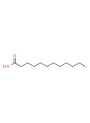
- Lauric Acid: A fatty acid used as a base for soap formation (when reacted with Potassium Hydroxide) and provides cleansing and foaming properties.
- Stearic Acid: A fatty acid used as a thickener and emollient, helps make the cream thicker and smoother.
- Glyceryl Monostearate: An emulsifier and thickener that helps bind water and oil together (especially the SE - Self-Emulsifying type).
- Cetearyl Alcohol: A thickener and emollient that helps increase cream viscosity and stability.
- Vitamin-E Acetate: An antioxidant and skin conditioning agent, soluble in oil.
- Rose Es. Oil / Fragrance: Provides scent, soluble in oil.
Causes of Separation and Solutions:
The separation indicates that the emulsifier system you are using is not suitable for the amount and type of ingredients in the oil phase, or the mixing process is incorrect. Creating a stable emulsion requires several factors: the right type and amount of emulsifier, heating both phases (water and oil) to similar temperatures (usually around 70-80°C, depending on the melting points of the oil phase ingredients), and continuously mixing/blending at high speed while combining the phases until the cream starts to form and cool down. Pouring phases that are not hot enough or not mixing vigorously/long enough will result in an unstable emulsion that separates.
Basic Guidance for Formulation and Mixing Method:
Providing exact percentages without testing is very difficult, as it depends on the compatibility of all ingredients and the desired final texture. However, we can provide general usage ranges and a basic mixing guideline:
General Usage Percentages (may require adjustment through testing):
- Water: Should be the main component, possibly 50-70% or more.
- Humectants (Glycerin, Butylene Glycol, Sodium Lactate, Sodium PCA): Use within the recommended ranges from product information. Combined, they might be 5-20%.
- Allantoin: 0.1-0.5%
- Disodium EDTA: 0.1-0.2%.
- Fatty Acids (Lauric Acid, Stearic Acid): Use in appropriate amounts for texture and cleansing. Combined, they might be 5-15%.
- Emulsifier/Thickener (Glyceryl Monostearate SE, Cetearyl Alcohol): The total amount of emulsifiers and thickeners in the oil phase might be 5-15%, depending on the total oil phase amount.
- Potassium Hydroxide: Used in very small amounts to adjust pH or for saponification. Must be added gradually with pH measurement.
- Glycolic Acid: If used, do not exceed 5% and the final formula pH must be adjusted to 3.5-4.0.
- Phenoxyethanol: 0.5-1.0%.
- Vitamin-E Acetate: 0.1-0.5%.
- Fragrance: 0.1-0.5%.
- Citric Acid: Used to lower pH in the final step. Add gradually in small amounts.
Mixing Method (Guideline for O/W Emulsion):
- Prepare Water Phase: Add purified water to a heat-resistant container. Add all water-soluble ingredients (except preservative, Glycolic Acid, Citric Acid). Stir to dissolve. Heat this phase to approximately 70-80°C.
- Prepare Oil Phase: In another heat-resistant container, add all oil-soluble ingredients (including emulsifiers and thickeners in the oil phase). Heat this phase to approximately 70-80°C or until all ingredients are melted and combined.
- Combine Phases: Once both phases reach the desired temperature, slowly pour the Oil Phase into the Water Phase while continuously mixing/blending at high speed (using a hand blender or homogenizer) to create a fine and stable emulsion.
- Cool-down Phase: Continue mixing/stirring as the formula cools down to around 40°C.
- Add Heat-Sensitive Ingredients/Adjust pH: When the formula cools to around 40°C, add Phenoxyethanol, Glycolic Acid (if used), and Fragrance. Stir to combine.
- Adjust pH: Measure the pH of the formula. If you need to lower the pH, use Citric Acid dissolved in a small amount of water. Add gradually in small amounts while stirring and measuring the pH until the desired value is reached (for a cleansing cream, this might be around 5.5-6.5, or if using Glycolic Acid, adjust to 3.5-4.0). If you need to increase the pH, use Potassium Hydroxide dissolved in a small amount of water and add gradually.
- Check Texture: Once the formula is completely cool, check the texture and stability.
Important Considerations:
- If performing saponification with Lauric/Stearic Acid and Potassium Hydroxide, the amount of Potassium Hydroxide must be calculated precisely based on the fatty acid amounts. Using too much Potassium Hydroxide will result in a high pH formula that can be irritating to the skin and may affect emulsion stability.
- If using Glycolic Acid, pay close attention to the final formula's pH and always test for skin irritation before use.
- Experimenting with small batch sizes initially will help minimize waste if the formula requires further adjustments.
Your current list of ingredients is a good starting point, but achieving a stable emulsion requires understanding the role of emulsifiers and mastering the correct mixing techniques. Adjusting the amount of emulsifier or trying a different emulsifier system that is more suitable for your oil phase might help resolve the separation issue.
I hope this information is helpful for your formulation journey!
Related Products Mentioned
Vitamin E (Tocopheryl Acetate)
Allantoin
Glycerin (USP/Food Grade)
Sodium Lactate (60% Liquid, Natural)
Phenoxyethanol (Extra Pure)
Sodium PCA 50%
Polysorbate 20 (Tween 20)
Disodium EDTA
Butylene Glycol
Cetearyl Alcohol (50/50, e.q. Lanette O)
Sodium Hydroxide
Glycopure™ (Glycolic Acid (AHA) Powder)
Purified Water, TDS Limit 1PPM)
Lauric Acid (99%)
Strawberry (Fragrance Oil)
Rose Petal