Facial Cream Formula Review for Sensitive, Acne-Prone Skin
Question
Please review the compatibility and mixing procedure for my facial cream formula. This cream is intended to help restore skin strength, provide hydration, and reduce irritation for users with unbalanced, easily irritated, dehydrated, and acne-prone skin.
Here is the formula:
- Water 70.6%
- Sensitive Cream Maker 2%
- beta glucan 5%
- Prebio-care 3%
- Allantoin 0.3%
- Dipotassium Glycyrrhizate 0.5%
- MOIST72 1%
- Ceramide Complex 0.5%
- Phytosphingosine 1%
- Ezerrawax 2%
- Ceramide2 0.5%
- Fractionated Coconut Oil 2%
- Repair Activator 10%
- Natural Bisabolol 1%
- Vitamin E 0.1%
- Mild Preserved Eco 0.5%
Proposed mixing steps:
- Mix 1 + 5 + 6 + 8 until dissolved.
- Add 2, heat, and stir to form a cream = Part A.
- Mix 9 + 10 + 11 + 12, then heat and stir until dissolved and combined = Part B.
- Slowly add B into A, stir and blend until homogeneous.
- Add 3 + 4 + 7 + 13 + 14 + 15 + 16 into the resulting cream and blend until homogeneous.
My questions are:
- Are the ingredients in this formula compatible?
- Is the proposed mixing procedure correct?
- Can this formula be mixed manually without a mixer until homogeneous?
- Do you have any additional recommendations regarding ingredients or usage percentages?
Thank you.
Answer
Formula Compatibility and Mixing
Based on the ingredients you've listed and your skin type (sensitive, unbalanced, dehydrated, acne-prone), this formula is well-designed to address those concerns, focusing on skin barrier repair, hydration, and reducing irritation.
Here is an assessment of the compatibility and mixing steps, along with some recommendations:
- Ingredient Compatibility: Generally, the ingredients you have chosen are compatible and suitable for sensitive skin. They include emollients, humectants, barrier repair components (Ceramides Complex, Phytosphingosine, Ezerrawax, Ceramide 2), anti-inflammatory agents (Allantoin, Dipotassium Glycyrrhizate, Natural Bisabolol, Ezerrawax), a prebiotic (Prebio-care), a repair active (Repair Activator), and a gentle emulsifier (Sensitive Cream Maker).
- Mixing Steps: Your proposed steps are a good starting point, but they can be optimized for better incorporation and stability, especially for ingredients that need proper dispersion or are sensitive to heat. A standard oil-in-water (O/W) emulsion process is recommended.
Here is a suggested revised mixing procedure:
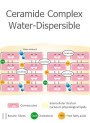
- Phase A (Water Phase): Combine Water, Allantoin, Dipotassium Glycyrrhizate, Ceramide Complex (Water Dispersible Powder), and Prebio-care. Heat this phase to 75-80°C. Stir or blend well to ensure all powders are fully dissolved or dispersed. Ceramide Complex (Water Dispersible Powder) and Prebio-care benefit from thorough mixing in the water phase before emulsification.
- Phase B (Oil Phase): In a separate container, combine Sensitive Cream Maker, Phytosphingosine, Ezerrawax, Ceramide 2 (Ceramide NG), Fractionated Coconut Oil, Natural Bisabolol, and Vitamin E. Heat this phase to 75-80°C to melt the wax and emulsifier and help dissolve/disperse the oil-soluble powders (Phytosphingosine, Ceramide 2). Mix well.
- Emulsification: Slowly add Phase B to Phase A while blending continuously with a high-shear mixer (like a homogenizer or stick blender). Maintain blending until the emulsion forms and cools down to below 40°C.
- Phase C (Cool Down Phase): Once the cream has cooled below 40°C, add Beta Glucan, MOIST72, Repair Activator, and Mild Preserved Eco. Blend until the mixture is homogeneous.
Manual Mixing: While it might be possible to attempt manual mixing for very small batches, achieving a stable and smooth cream texture with this formula is highly unlikely without a mechanical mixer, such as a stick blender or homogenizer. The Sensitive Cream Maker requires sufficient shear to properly emulsify the oil and water phases. Ingredients like Ceramide Complex (Water Dispersible Powder) and Beta Glucan also need good dispersion to prevent a grainy texture or separation over time. For best results and product stability, using a mixer is strongly recommended.
Additional Recommendations:
- The ingredient selection is appropriate for sensitive, dehydrated, and unbalanced skin. The inclusion of Ceramides Complex, Phytosphingosine, Ezerrawax, and Ceramide 2 is excellent for barrier repair. Beta Glucan, MOIST72, and Prebio-care contribute well to hydration and skin balance.
- For skin that is also acne-prone, you might consider adding Niacinamide (Vitamin B3) at a concentration of 2-5%. Niacinamide is known for its multiple benefits, including reducing inflammation, improving skin barrier function, regulating sebum production, and potentially helping with acne. It is water-soluble and can be added to Phase A or Phase C.
- Always check the final pH of your cream and adjust it to be within the optimal range for skin (typically pH 4.5-6.5) and the stability range of your ingredients (most are stable within pH 4-8).
This formula has a strong foundation for improving skin barrier health and reducing sensitivity. Adjusting the mixing steps slightly will help ensure a stable and effective final product.
Related Products Mentioned
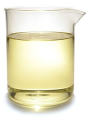
Vitamin E (Tocopheryl Acetate)

Allantoin

Natural Bisabolol (Brazil Chamomile)
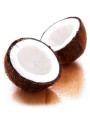
Fractionated Coconut Oil
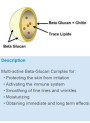

MOIST72™
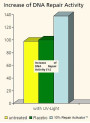
Mild Preserved Eco™ (Preservative-Free)
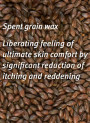
Ezerwax™

Ceramide 2 (Ceramide NG)
Phytosphingosine (90% Purity)
Prebio-care (Skin Prebiotic)