Facial Gel Formulation: pH Compatibility Issues with Multiple Actives
Question
I want to create a facial gel for combination skin to address clogged pores, acne, dark spots, melasma, wrinkles, and dryness. I plan to use the following ingredients and percentages:
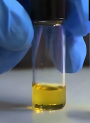
- Nano Silver (2000ppm, Colloidal, Yellow Solution)
- AnyGel™ 3%
- Beta Glucan (Saccharomyces cerevisiae extract)
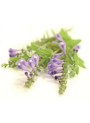
- Pure-Baicalin™ (Scutellaria Baicalensis Root Extract, 85% Baicalin) 3%
- Yeast Radiance™
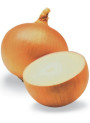
- Hi-Quercetin® (Onion Extract, Quercetin 3%)
- Mild Preserved Eco™ (Preservative-Free)
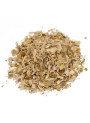
- Willow Bark Extract (Natural Salicylic Acid)
- Water
Can you advise on the compatibility of these ingredients and the mixing procedure? Also, what are the differences in properties and benefits between unrefined Shea Butter and refined Shea Butter?
Answer
Facial Gel Formulation for Combination Skin
You're looking to create a facial gel for combination skin targeting multiple concerns like clogged pores, acne, dark spots, melasma, wrinkles, and dryness. You've listed several ingredients and asked about their compatibility and mixing. You also asked about the difference between unrefined and refined shea butter.
Based on the ingredients you listed and the addition of "willow" for clogged pores, here are the products you seem to be referring to:
- Nano Silver (2000ppm, Colloidal, Yellow Solution)
- AnyGel™
- Beta Glucan (Saccharomyces cerevisiae extract)
- Pure-Baicalin™ (Scutellaria Baicalensis Root Extract, 85% Baicalin)
- Yeast Radiance™
- Hi-Quercetin® (Onion Extract, Quercetin 3%)
- Mild Preserved Eco™ (Preservative-Free)
- Willow Bark Extract (Natural Salicylic Acid)
- Water
Regarding your proposed percentages:
- AnyGel™: You proposed 3%. The recommended usage rate is 1-2.5%. Using 3% is slightly above the recommended maximum.
- Pure-Baicalin™: You proposed 3%. The recommended usage rate is 0.1-0.5%. 3% is significantly higher than recommended and may not be effective or stable at this concentration. We recommend using it within the 0.1-0.5% range, perhaps 0.3-0.5% for anti-wrinkle benefits.
- Willow Bark Extract: You didn't specify a percentage. For addressing clogged pores, a usage rate of 5-10% is recommended for accelerated cell turnover. Let's assume you might use around 5%.
Compatibility and Mixing:
Unfortunately, the combination of ingredients you've listed presents significant compatibility challenges, primarily due to conflicting pH requirements:
- Hi-Quercetin®, Yeast Radiance™, and Willow Bark Extract work best in a slightly acidic pH range (pH 4.0-6.5, with Hi-Quercetin specifically requiring pH below 6.0).
- Pure-Baicalin™ requires a slightly alkaline pH range (pH 6.5-7.2).
- Nano Silver (Colloidal) works best in a pH range of 6-12.
It is not possible to formulate a single stable and effective gel containing all these ingredients simultaneously because their optimal pH ranges are incompatible. Mixing them at a single pH would compromise the effectiveness and stability of some ingredients.
Recommendations:
To address your multiple skin concerns, you could consider these options:
- Select compatible ingredients: Choose ingredients that function well within a similar pH range. For example, you could create a formula focusing on acne, clogged pores, and brightening using Willow Bark Extract, Yeast Radiance, and Hi-Quercetin, adjusting other ingredients (like Beta Glucan and Nano Silver) to fit within this pH range if possible, or substituting them with compatible alternatives.
- Create separate formulas: Develop two or more different products targeting specific concerns with compatible ingredients. For instance, one gel for acne/dark spots (lower pH) and another serum/gel for wrinkles/hydration (higher pH).
General Mixing Instructions (for a compatible gel formula):
For a typical gel formula using AnyGel™:
- Disperse AnyGel™ in the water phase and stir or blend until a gel forms.
- Add water-soluble active ingredients (like Beta Glucan, Yeast Radiance, Willow Bark Extract, Hi-Quercetin, Pure-Baicalin - if compatible pH) to the gel base and mix well. Ensure ingredients requiring specific temperatures or mixing methods (like Beta Glucan below 50C) are added appropriately.
- Add the preservative (Mild Preserved Eco™) in the final step and mix thoroughly.
- Check and adjust the final pH of the formula to be within the optimal range for the chosen compatible ingredients.
Unrefined vs. Refined Shea Butter:
You also asked about the difference between unrefined and refined shea butter.
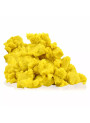
- Unrefined Shea Butter (like Golden Shea Butter (Virgin, Ghana)) is minimally processed. It retains its natural color (often golden yellow) and characteristic nutty aroma. It contains more of the natural vitamins, minerals, and beneficial compounds found in the shea nut.
- Refined Shea Butter (like Shea Butter (Refined, Deodorised)) has undergone processing (like filtering, deodorizing, and bleaching) to remove impurities, color, and odor. This results in a white, odorless butter with a smoother texture. While still a good moisturizer, some of the natural nutrients may be reduced compared to the unrefined version.
In summary, while your desired ingredients target various concerns, their pH incompatibility prevents them from being combined into a single stable gel. You will need to adjust your ingredient list or create separate formulas.
Related Products Mentioned
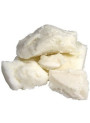
Shea Butter (Refined , Deodorised)
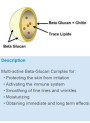
Mild Preserved Eco™ (Preservative-Free)

Yeast Radiance™
AnyGel™ (Dehydroxanthan Gum)