Facial Lotion Formulation for Combination Dehydrated, Acne-Prone Skin (100g)
Question
I have Squalane, Vitamin E, and Jojoba Oil and want to make a facial lotion.
My skin type is combination dehydrated, and I currently don't have much acne, but I break out easily when using sunscreen (I haven't found a suitable sunscreen yet). All the makeup I use is Mineral Makeup and does not cause allergies or acne.
I intend to make a facial lotion using either Squalane or Jojoba Oil, or both.
I also plan to buy a toner (I don't plan to add anything else to the toner, as I want it for pore tightening and the effect of allantoin in it, and I'm unsure if allantoin dissolves on its own).
I plan to add the following ingredients to the lotion:
- emulsifier
- Urea
- Green Tea extract
- Vit B3
- Glucosamine
- Vit E
- Phenoxyethanol
My questions are:
- For a total lotion weight of 100g, what should be the proportion of each ingredient?
- Should I use Jojoba Oil or Squalane or both for the oil phase, and at what proportion?
- Should I use Aristoflex or Light Cream Maker as the emulsifier?
- What is the mixing procedure?
Answer
Facial Lotion Formulation (100g) for Combination Dehydrated Skin
Based on your ingredients and skin type, here is a suggested formulation and method for a 100g facial lotion:
Ingredient Proportions (for 100g)
Here are the approximate amounts for each ingredient:
- Water: 73.5 g
- Jojoba Oil (Golden or Clear): 5 g
- Squalane (Olive): 5 g
- Light Cream Maker™: 1.5 g
- Urea (High Purity): 5 g
- Safe-B3™ (Vitamin B3): 5 g
- GlucoBright™ (Acetyl Glucosamine): 4 g
- Vitamin E (Tocopheryl Acetate): 0.5 g
- Phenoxyethanol SA: 0.5 g
Total: 100 g
Notes on Ingredients:*
Urea: Helps increase moisture and gently exfoliates the skin.
- Vitamin B3 & Glucosamine: Work together to reduce dark spots, brighten the skin, and stimulate Hyaluronic Acid production.
- Vitamin E: Is an antioxidant that helps protect the skin.
- Jojoba Oil & Squalane: Provide moisture to the skin without feeling greasy or clogging pores.
- Light Cream Maker™: Helps emulsify water and oil to form a lotion texture.
- Phenoxyethanol SA: Helps inhibit the growth of microorganisms in the product.
Oil Phase Selection
We recommend using both Squalane and Jojoba Oil in the oil phase, in similar proportions (e.g., 5% each as suggested in the recipe). Both are light oils that absorb easily and are non-comedogenic, making them suitable for combination and sensitive skin. Squalane provides excellent moisturization, while Jojoba Oil's structure is similar to the skin's natural sebum, helping to balance and provide a non-greasy feel.
Emulsifier Choice
Between Aristoflex and Light Cream Maker™, we recommend using Light Cream Maker™. Light Cream Maker™ is an emulsifier specifically designed for creating cream/lotion textures. It's easy to use, doesn't require heat, and provides a light, easily absorbed texture, suitable for facial lotion. Aristoflex AVC is primarily for creating gel textures and may not be as suitable for lotions containing multiple oils and active ingredients.
Mixing Procedure
Here is a step-by-step guide for mixing your lotion:
- Weigh the water into a beaker.
- Add Urea, Vitamin B3, and Glucosamine to the water and stir or use a mixer until all ingredients are completely dissolved (Water Phase).
- In another beaker, weigh Jojoba Oil, Squalane, and Vitamin E. Mix well (Oil Phase).
- Add Light Cream Maker™ to the Oil Phase and mix thoroughly.
- Slowly pour the Oil Phase (containing Light Cream Maker™) into the Water Phase while stirring continuously or using a mixer. Continue stirring until the mixture combines into a smooth lotion texture.
- Add Phenoxyethanol SA and stir to combine.
- Measure the pH of the lotion. It should ideally be in the range of 3-7 for the effectiveness of Vitamin B3 and Glucosamine. If the pH is too high (especially over time as Urea can increase pH), you may consider adjusting the pH down slightly with a mild acid like Lactic Acid or Citric Acid.
Additional Notes
- Green Tea Extract: Some types of Green Tea Extract may not be stable when used together with Vitamin E in the same formula and can cause discoloration. To make this formula simpler and more stable, Green Tea Extract was not included in this recommended recipe. If you still wish to use Green Tea Extract, you may need to consider using a stable type or adjust the formula and mixing procedure accordingly.
- Urea Stability: Urea tends to increase the pH of the formula over time, which can affect the stability and effectiveness of other active ingredients like Vitamin B3 and Glucosamine. For long-term stability, consider adding pH stabilizers like Gluconolactone and Triacetin in small amounts as recommended for those ingredients, or regularly monitor and adjust the pH of the lotion.
- Accurate weighing of ingredients is crucial to achieve the desired texture and efficacy.
- If you plan to produce this for sale, it is recommended to perform Stability Testing and Preservative Challenge Testing to ensure product safety and quality.
Related Products Mentioned
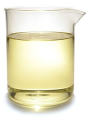
Vitamin E (Tocopheryl Acetate)
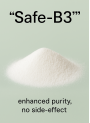
Safe-B3™ (Vitamin B3, Niacinamide)
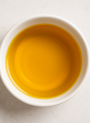
Jojoba Oil (Golden - Deodorized)
GlucoBright™ (Acetyl Glucosamine)
Squalane (Olive)
Light Cream Maker™
Urea (High Purity, Cosmetics, Powder)