Facial Massage Cream Formulation for Machine Use: Slippery, Slow Absorption, Shiny Finish
Question
I am developing a facial massage cream to be used with a massage machine. I need the cream to be slippery for easy gliding, absorb slowly to allow for a longer massage session without reapplication, and leave a shiny/bouncy finish on the skin after use.
I have previously tried adding emollients which improved slipperiness but the absorption was still too fast. I understand that with a complete emulsifier like Satin Cream Maker, I don't need additional emulsifiers like PEG-50 Hydrogenated Castor Oil or PEG-20 Sorbitan Cocoate. Carbomer is optional for texture adjustment.
Could you provide a suggested formula structure or guidance focusing on achieving these specific properties: high slip, slow absorption, and a shiny/bouncy finish?
Answer
Subject: Re: Facial Massage Cream Formulation
Hello,
Thank you for the update on your formulation trials. It's good to hear that adding the emollients helped with machine massage, although the absorption rate is faster than desired.
Based on your goal for a cream that is slippery, absorbs slower, and leaves a shiny/bouncy finish, and incorporating the staff's previous recommendations, here is a suggested adjusted formula structure:
Suggested Facial Massage Cream Formula:
- Base Emulsifier: Satin Cream Maker 2%
- Note: As the staff mentioned, with a high oil phase (around 20% or more), Satin Cream Maker might face stability issues. If you encounter separation, consider using Butter Cream Maker or Milk Lotion Maker as alternatives, which can handle higher oil loads.
- Slipperiness & Reduced Absorption:
- Squalane (Olive) 5%
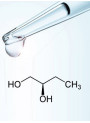
- Butylene Glycol 5%
- Cetyl Octanoate 5%
- Glycerin 5%
- Lanofree™ (Synthetic Lanolin) 10% (This is the staff's recommended starting point for slowing absorption)
- Shiny/Bouncy Finish:
- Titanium Dioxide 200nm (Nano) 3-5% (Start with 3% and adjust if needed for the desired visual effect)
- Water: Balance to 100%
- Preservative: Add at the recommended rate for your chosen preservative.
Explanation:
- The combination of Squalane, Butylene Glycol, Cetyl Octanoate, and Glycerin provides initial slip, as you've experienced.
- Adding Lanofree™ (10%) as recommended by the staff will help create a heavier feel and slow down the absorption rate, allowing for a longer massage time without needing to reapply frequently.
- Titanium Dioxide 200nm (3-5%) is added to provide the visual effect of brighter, shinier skin after the massage, similar to the product you previously used.
- You are correct that with a complete emulsifier like Satin Cream Maker, you do not need additional emulsifiers like PEG-50 Hydrogenated Castor Oil or PEG-20 Sorbitan Cocoate.
- Carbomer is a gel-forming agent and is optional; it's not strictly necessary for the function of a massage cream with this emulsifier system, but it can alter the texture to be more gel-like if desired.
Mixing Instructions (General):
- Combine the water phase ingredients (Water, Butylene Glycol, Glycerin, Preservative if water-soluble). Heat if necessary depending on other ingredients.
- Combine the oil phase ingredients (Satin Cream Maker, Squalane, Cetyl Octanoate, Lanofree™, Titanium Dioxide). Heat if necessary to melt solids or ensure proper dispersion (especially for Titanium Dioxide).
- Slowly add the oil phase to the water phase while mixing continuously with a high-shear mixer until a stable emulsion forms.
- Continue mixing until the cream cools down and thickens.
Remember to test small batches and adjust the percentages of the emollients (especially Lanofree™) and Titanium Dioxide to achieve your preferred texture, absorption rate, and visual finish.
Hope this helps you create your ideal facial massage cream!
Related Products Mentioned
Squalane (Olive)
Glycerin (USP/Food Grade)

Satin Cream Maker™
Butylene Glycol
LipidSoft™ CC (Cetyl Ethylhexanoate)
Milk Lotion Maker™
Butter Cream Maker™