Facial Oil Formulation: Preservation and Texture
Question
I would like to make a facial oil with the following ingredients:
- Natural oils (including Grape Seed Oil and Rose Hip Oil) 98%
- Vitamin E (tocopheryl) 1%
- Vitamin C (L-ascorbic acid ultra-fine) 1%
I have two questions:
- Do I need to add a preservative?
- Will the formula be sticky? What should I add or reduce?
Answer
Facial Oil Formulation Advice
Regarding your facial oil formulation with 98% natural oils (including Grape Seed Oil and Rose Hip Oil), 1% Vitamin E, and 1% Vitamin C (L-ascorbic acid), here is some advice:
1. Do you need a preservative?
Since your formula is almost entirely oil-based (98% oils), it is considered an anhydrous (water-free) product. Traditional preservatives that prevent bacterial and fungal growth are generally not needed in anhydrous formulations because microbes require water to proliferate.
However, oxidation is a significant concern for oil-based products and ingredients like Vitamin C. Oxidation can cause oils to go rancid and active ingredients to degrade, reducing the product's effectiveness and shelf life. Vitamin E acts as an antioxidant and can help protect the natural oils in your formula from oxidation.
2. Will the formula be sticky? What should be adjusted?
A formula with 98% oil content will naturally have an oily feel on the skin. The specific natural oils chosen (Grape Seed Oil and Rose Hip Oil) are relatively light, but the high concentration contributes to the overall feel.
Regarding stickiness, Vitamin E, particularly the Tocopheryl Acetate form, can contribute to a sticky sensation at higher concentrations. The product description for Vitamin E (Tocopheryl Acetate) indicates that usage above 0.5% can cause a sticky feeling on the skin. Using 1% Vitamin E might contribute to the stickiness of your formula.
Potential Adjustments:
- Vitamin E: Consider reducing the concentration of Vitamin E to 0.5% or less. This can help minimize stickiness while still providing antioxidant benefits to protect the oils.
- Vitamin C (L-ascorbic acid): Using L-ascorbic acid powder in a pure oil base presents stability challenges. L-ascorbic acid is water-soluble and prone to oxidation, especially without a low pH environment (which is not possible in an oil formula) or specific stabilization techniques. While the Ultra-Fine grade is designed for better dispersion in anhydrous systems like silicone serums, its efficacy and stability in a pure oil blend at 1% may be limited, and it could oxidize and discolor the product over time. A more stable, oil-soluble form of Vitamin C, such as Ascorbyl Tetraisopalmitate, would generally be more suitable and stable for an oil-based serum.
In summary, while a traditional preservative is not necessary, ensuring antioxidant protection is key for stability. To potentially reduce stickiness, you could try lowering the concentration of Vitamin E. The use of L-ascorbic acid in this oil base may pose stability issues, and an oil-soluble Vitamin C derivative might be a more effective alternative.
Related Products Mentioned
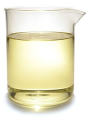
Vitamin E (Tocopheryl Acetate)
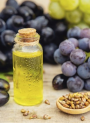
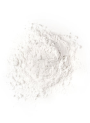
Vitamin C (L-ascorbic acid) (Ultra-Fine)
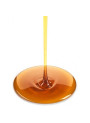
Vitamin E (dl-alpha tocopherol)
Rosehip Oil (Virgin, Fresh)
Grape Seed Oil (Cold-Pressed, Green)