Facial Serum Formulation Review and Adjustment
Question
I am making a facial serum with the following formula:
- Silky Serum Base 15%
- vit c (L-ascorbic acid) (ultra-fine) 15%
- Vit E (Tocopheryl Acetate) 0.5%
- Vit E (dl-alpha tocopherol) 1%
- Phospholipid (Hydrogenated Lecithin) 3%
- 1,2-Hexanediol 5%
- MOIST24 5%
- Phenoxyethanol SA 0.5%
- vit B5 ExtraLite 3%
- Encapsulated Retinol 2%
- disodum sdta(2nd EDTA) 0.2%
- sefe-B3 5%
- Water 40.3%
Please help adjust the percentages to be suitable and advise if any ingredients are incompatible. If so, please recommend alternative ingredients or suggest removing them from the formula.
Answer
Subject: Review of your proposed facial serum formula
Thank you for sharing your facial serum formula for review. This formula contains several potent active ingredients aimed at skin brightening, anti-aging, and hydration.
Upon reviewing the ingredients and their concentrations, I've identified a significant compatibility issue and suggest the following adjustments for better stability, efficacy, and reduced risk of skin irritation:
Compatibility Issue:
The primary concern is the combination of L-Ascorbic Acid (Vitamin C) at 15% and Niacinamide (Vitamin B3) at 5% in the same formula, especially alongside Encapsulated Retinol at 2%.
- L-Ascorbic Acid requires a low pH (typically below 3.5) to remain stable and effective.
- Niacinamide is most effective and stable at a pH around 5-6. At low pH, Niacinamide can convert to Niacin, which can cause skin flushing and irritation.
- Retinol is also sensitive to pH and typically formulated around pH 5.5-6.
Formulating L-Ascorbic Acid at its optimal low pH would destabilize Niacinamide and Retinol and likely cause significant irritation. Formulating at a higher pH suitable for Niacinamide and Retinol would quickly degrade the L-Ascorbic Acid, rendering it ineffective.
Combining multiple potent actives like high-concentration L-Ascorbic Acid, Niacinamide, and Retinol in one product also significantly increases the risk of skin irritation, redness, and peeling, especially for those new to these ingredients or with sensitive skin.
Recommended Adjustment:
To address the compatibility issue and reduce irritation potential, I strongly recommend removing L-Ascorbic Acid from this formula. You can use a separate L-Ascorbic Acid serum at a different time of day (e.g., morning) or on alternate days from this serum.
Preservative Adjustment:
The percentage of Phenoxyethanol SA (Optiphen Plus) at 0.5% is below the typical recommended usage rate (0.75-1.5%) for adequate preservation. I recommend increasing it to 1%.
Revised Formula:
Based on these recommendations, here is a suggested revised formula:
- Silky Serum Base: 15%
- Vit E (Tocopheryl Acetate): 0.5%
- Vit E (dl-alpha tocopherol): 1%
- Phospholipid (Hydrogenated Lecithin): 3%
- 1,2-Hexanediol: 5%
- MOIST24: 5%
- Phenoxyethanol SA: 1% (Increased from 0.5%)
- Vit B5 ExtraLite (Panthenyl Ethyl Ether): 3%
- Encapsulated Retinol: 2%
- Disodium EDTA: 0.2%
- safe-B3 (Niacinamide): 5%
- Water: 54.8% (Adjusted from 40.3% to make up the total)
- Total: 100%
Note: This revised formula still contains potent ingredients (Retinol, Niacinamide). It is crucial to perform a patch test before applying it to your face. Start by using the serum a few times a week and gradually increase frequency as your skin tolerates it. Avoid using other potentially irritating products (like AHAs/BHAs, other retinoids) at the same time.
This revised formula focuses on the benefits of Niacinamide, Retinol, Vitamin E, and hydrating ingredients in a more stable and less irritating combination.
Related Products Mentioned
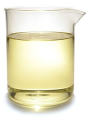
Vitamin E (Tocopheryl Acetate)
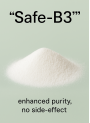
Safe-B3™ (Vitamin B3, Niacinamide)
Vitamin C (L-ascorbic acid) (Ultra-Fine)
Vitamin E (dl-alpha tocopherol)
Disodium EDTA
Panthenol (Vitamin B5) ExtraLite™
Silky Serum Base (Face/Eye)

Phenoxyethanol SA (eq. Optiphen Plus)
MOIST24
Phospholipid
