Failed Lotion Formulation Attempt with Polysorbate 20
Question
I tried to make a lotion for my mother who has dry, itchy skin with dark spots and scars. I used the following ingredients and method:
- Oil Phase (15%): Sweet Almond Oil, Shea Butter, Vitamin E
- Water Phase (85%): Water, Pro Polymer (gel maker), Glycerin, Niacinamide, Vitamin C (SAP), DL-Panthenol, Allantoin, Chamomile Extract, Polysorbate 20 (emulsifier), Phenoxyethanol SA (preservative)
Method: Heated the oil phase and water phase separately. Added the water phase to the oil phase and stirred. The mixture remained liquid and did not emulsify. I then added Pro Polymer to the water phase to thicken it, which resulted in a gel-like texture with visible oil droplets (เม็ดๆ).
Why did my lotion not form a stable cream/lotion texture, and what is the correct method using the ingredients I have or alternative emulsifiers from the shop to achieve a proper lotion?
Answer
Hello,
Thank you for reaching out and providing details about your lotion formulation attempt. It sounds frustrating when a formula doesn't turn out as expected.
Based on the ingredients and steps you described, the main reason your lotion did not form a stable cream is likely related to the emulsifier used (Polysorbate 20) and the mixing method.
- Emulsifier Choice: Polysorbate 20 is a surfactant often used as a co-emulsifier or solubilizer, particularly for O/W emulsions. While it helps mix oil and water, it may not be strong enough on its own to create a stable, creamy emulsion with 15% oil content, especially if you are aiming for a lotion texture rather than a light serum. Dedicated cream makers or emulsifying waxes are typically needed for stable lotion/cream formulations.
- Mixing Method: Your method of adding the water phase to the oil phase is generally used for Water-in-Oil (W/O) emulsions. Polysorbate 20, however, is primarily used for Oil-in-Water (O/W) emulsions, where the oil phase is slowly added to the water phase containing the emulsifier while stirring. Using an O/W emulsifier with a W/O mixing method can prevent proper emulsification.
- Adding Gel Maker: Adding Pro Polymer (a gel maker) later helped thicken the water portion, giving it a gel-like consistency ("เหมือนโยเกริต์"). However, a gel maker does not emulsify oil into water. This is why you likely saw separate oil droplets ("เม็ดๆ") within the gel matrix. It thickened the water phase but didn't create a homogeneous blend of oil and water.
As the staff correctly pointed out, the properties of ingredients can vary between suppliers, which makes troubleshooting formulations with ingredients from different sources difficult.
The staff provided excellent guidance on how to achieve a cream texture using emulsifiers available from their shop:
- Using Light Cream Maker (1%) or Luxury Cream Maker (3%) following the O/W method: Mix the emulsifier with the oil phase first, then gradually add the water phase while stirring continuously.
- Using Water-in-Oil EZ™ (0.7%) following the W/O method: Mix Water-in-Oil EZ with the oil phase first, then gradually add the water phase while stirring continuously.
These dedicated emulsifiers are designed to create stable emulsion structures. Following the correct mixing procedure for the chosen emulsifier is crucial for success.
It's understandable to feel discouraged after failed attempts, but your dedication to making a beneficial product for your mother's dry, itchy skin is commendable. Focusing on formulations using ingredients from a single, reliable source like MySkinRecipes, especially when starting out, can help ensure compatibility and make troubleshooting easier. You can then adapt these base formulations by carefully incorporating other desired ingredients.
We appreciate your kind words and support for the team. We hope this explanation clarifies the issues you encountered and helps you succeed in your future formulations!
Related Products Mentioned
Vitamin E (Tocopheryl Acetate)
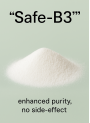
Safe-B3™ (Vitamin B3, Niacinamide)
GlucoBright™ (Acetyl Glucosamine)
Light Cream Maker™
Phenoxyethanol (Extra Pure)
Polysorbate 20 (Tween 20)
Pro Polymer™ (Gel Maker)