Feasibility of Bi-Phase Retinal Essence Formulation
Question
I would like to request custom manufacturing for a Retinal Essence in a semi-bi-phase form, for nighttime use. Can the following ingredients be included in the formulation?
Active Ingredients:
- 5% ActiveRelease Retinal™
- 0.2% Phytosphingosine SA
Oils:
- 3% Argan Oil
- 3% Sea Buckthorn Oil
- 3% Rose Hip Oil
- 2% Squalane
- 2% Jojoba Oil
- 1% Oat Oil
- 1% Safflower Oil
- 1% Borage Oil
- 1% Echium Oil
- 1% Pomegranate Oil
- 1% Raspberry Oil
- 1% Shea Butter Melt
- 0.5% Natural Bisabolol
- 0.5% dl-alpha tocopherol
Water:
- 60.4% Rosa Damascena Flower Water
Emulsifier/Emollient:
- 4% Light Lotion Maker
- 0.2% Satin Cream Maker™
- 3% Dimethyl Isosorbide
- 5% LipidSoft™ Dry II
Preservatives:
- 1% Mild Preserved Eco™
- 0.2% Disodium EDTA
Answer
Based on the formulation you've proposed for a semi-bi-phase Retinal Essence, I can provide an assessment based on the properties of the ingredients you've listed.
Your formulation includes a rich blend of active ingredients and natural oils, aiming for a semi-bi-phase texture. However, there are significant challenges in combining these specific ingredients in a stable semi-bi-phase system, particularly concerning the active ingredients and the chosen emulsifiers.
Here are the key points to consider:
- Conflicting Requirements for Active Ingredients:
- ActiveRelease Retinal™: The description for ActiveRelease Retinal™ states it should be mixed in the oil phase and avoid heat. It's encapsulated for stability and sustained release. It also suggests using ActiveProtec™ OX and potentially Vitamin B3 (Niacinamide) for enhanced stability and reduced irritation, which are not included in your list.
- Phytosphingosine SA: The description for Phytosphingosine SA requires heating the oil phase to 80-90°C for complete dissolution and needs high-speed blending. It also requires a specific co-solvent like Octyldodecanol at a high percentage (12-14% for 0.2% SA), which is not listed in your oil phase.
The requirement to heat the oil phase to a high temperature for Phytosphingosine SA directly conflicts with the need to avoid heat for ActiveRelease Retinal™. This makes it very difficult, if not impossible, to incorporate both active ingredients effectively and maintain their stability and efficacy within the same formulation using standard manufacturing processes.
Emulsifier Choice vs. Bi-Phase Nature:
- You've included Light Lotion Maker and Satin Cream Maker™. These are designed to create stable emulsions (lotions or creams) by binding oil and water phases together.
- A true semi-bi-phase product relies on minimal or no emulsification, allowing the oil and water phases to separate and requiring shaking before use for temporary dispersion.
- Using these emulsifiers at the proposed percentages (4% and 0.2%) with a 22% oil phase is likely to result in a stable emulsion (lotion or cream), not a semi-bi-phase product.
Formulation Complexity:
- Combining a large number of diverse oils (12 different types) in a semi-bi-phase system, even with emulsifiers, adds complexity and potential stability challenges (like phase separation or changes in texture over time).
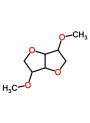
- Dimethyl Isosorbide is a penetration enhancer that can help deliver ingredients, but its interaction with the other components and its role in a semi-bi-phase system with these specific emulsifiers would need careful validation.
Conclusion:
Based on the technical requirements of the ingredients, particularly the conflicting temperature sensitivities of ActiveRelease Retinal™ and Phytosphingosine SA, and the inclusion of emulsifiers that promote stable emulsions rather than a bi-phase separation, this specific formulation as written is likely not feasible to manufacture as a stable semi-bi-phase product.
Achieving a stable and effective product with these desired active ingredients and a bi-phase texture would require significant formulation expertise, potentially involving alternative forms of the active ingredients, different emulsification strategies suitable for bi-phase systems, or a complete reformulation approach.
Related Products Mentioned
Natural Bisabolol (Brazil Chamomile)
Jojoba Oil (Golden - Deodorized)
Argan Oil (Virgin - Deodorized)
Squalane (Olive)
Vitamin E (dl-alpha tocopherol)
Disodium EDTA

Satin Cream Maker™

Echium Oil (Refined)
Mild Preserved Eco™ (Preservative-Free)
Avena sativa (Oat) Extract (Oil Soluble)
Rose Water (Rosa Damascena)
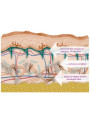
Phytosphingosine SA
LipidSoft™ Dry II (Dicaprylyl Carbonate)
Light Lotion Maker
Dimethyl Isosorbide (DMI)

ActiveRelease Retinal™