Feasibility of Formulating a Cream with Multiple Active Ingredients
Question
I would like to know if it is possible to produce a cream formulation with approximately the following ingredients:
- EGF (human oligopeptide)
- Snail Secretion
- diglucosly gallic acid
- Alpha Arbutin
- Palmitoyl Tetrapeptide-7, Palmitoyl Tripeptide-1
- Acetyl Hexapeptide-8
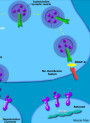
- 10% Snap-8TM
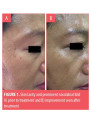
- 5% Leuphasyl®
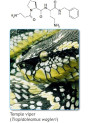
- 4% Syn-ake®
- 3% Matrixyl 3000TM
- red ginseng
- ascobyl tetraisopalmitate
- idebenone
- radicare
Answer
Formulating a Cream with Multiple Active Ingredients
Creating a cream formulation with the list of ingredients you provided, including Epidermal Growth Factor (EGF), Snail Secretion, GalaWhite, Alpha Arbutin, Matrixyl 3000, Argireline, SNAP-8, Leuphasyl, Syn-ake, Red Ginseng, Ascorbyl Tetraisopalmitate, Idebenone, and Bifida Ferment Lysate, is technically possible in theory, as many of these ingredients are available. However, formulating a single, stable, and highly effective cream containing all of them simultaneously presents significant challenges.
The main difficulties lie in:
- Conflicting pH Requirements: Different active ingredients require specific pH ranges for optimal stability and efficacy. For example, EGF is most stable at pH 3-5, while Ascorbyl Tetraisopalmitate prefers pH 5.0-5.5, and Alpha Arbutin should be kept below pH 8 (ideally 3.5-6.5). Finding a single pH that suits all these ingredients without compromising their performance or stability is extremely difficult.
- Ingredient Compatibility and Stability: Combining such a large number of diverse active ingredients, including various peptides, antioxidants, and extracts, increases the risk of unwanted interactions that could lead to degradation, reduced efficacy, or changes in the product's appearance and texture over time.
- Formulation Complexity: Incorporating both water-soluble ingredients (like most peptides, Snail Secretion, GalaWhite, Alpha Arbutin, Bifida Ferment Lysate, Red Ginseng) and oil-soluble ingredients (like Ascorbyl Tetraisopalmitate and Idebenone) into a stable emulsion requires careful formulation expertise and specific emulsifying systems.
- High Concentration Levels: While the specified concentrations for some peptides (10% SNAP-8, 5% Leuphasyl, 4% Syn-ake, 3% Matrixyl 3000) are within recommended ranges for individual use, combining them all at these levels in one product adds complexity and cost, and the combined benefits may not be significantly greater than a more targeted approach. High concentrations of multiple actives can also increase the potential for skin irritation.
Given these challenges, it would be more practical and potentially more effective to develop formulations that focus on a smaller, compatible set of active ingredients to address specific skin concerns. This allows for better control over ingredient stability, efficacy, and overall product performance.
Related Products Mentioned
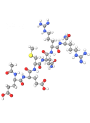
Acetyl Hexapeptide-8 (eq Argireline)
Pal-GHK, Pal-GQPR (eq Matrixyl 3000)
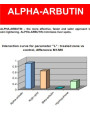
Alpha Arbutin (Switzerland)
Snail Secretion
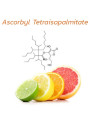
Idebenone
Acetyl Octapeptide-3 (eq. SNAP-8)
Pep®-Leupha (Pentapeptide-18)