Feedback and Questions on Anti-Aging Serum Formulations
Asked by: siranant.pooliam
On: June 10, 2013
Product Type:
Cosmetics
Answered
Question
Based on the feedback regarding two anti-aging serum formulations, I have the following questions:
Formula 1 (Night Anti-Aging Serum - 50ml):
- Is the texture expected to be sticky?
- Can Cyclopentasiloxane be added to this serum formulation, and if so, at what percentage?
- If Cyclopentasiloxane is added, will it negatively affect the performance of Matrixyl 3000 and Argireline?
Formula 2 (Night Anti-Aging Serum - 50ml):
- Is the optimal pH range for DMAE Bitartrate 5.5-6.5?
- Can Azelaic Acid 10% (specifically Liquid Azelaic™) be included in this formula?
- Is 3% Triethanolamine 99% the correct amount to use, or how should it be used to adjust the pH?
Answer
Anti-Aging Serum Formulation Feedback
Regarding your two anti-aging serum formulations, here is some feedback based on the ingredients and typical formulation properties:
Formula 1: Night Anti-Aging Serum (50ml)
- Stickiness: As the staff mentioned, this formula is unlikely to be overly sticky. The primary ingredient that might contribute to a slightly tacky feel is the Hyaluronic Acid, especially the Standard Molecule size. This is a common characteristic of hyaluronic acid serums, but it usually absorbs well and the feeling dissipates once dry.
- Adding Cyclopentasiloxane: Cyclopentasiloxane is a silicone that provides a smooth, non-greasy feel. However, it is not water-soluble. Your current Formula 1 is a water-based serum. Adding Cyclopentasiloxane directly will cause it to separate. To incorporate Cyclopentasiloxane, you would need to reformulate the product into an emulsion (like a lotion or cream) using an appropriate emulsifier, such as Sepiplus 400 as suggested by the staff.
- Effect on Matrixyl 3000 and Argireline: Cyclopentasiloxane itself is a volatile silicone that evaporates and is generally not expected to negatively impact the effectiveness of water-soluble peptides like Matrixyl 3000 and Argireline. The concern would be more about ensuring the peptides are properly delivered within the new emulsion system, rather than direct inactivation by the silicone.
- Suitable Percentage of Cyclopentasiloxane: If you choose to reformulate into an emulsion, the percentage of Cyclopentasiloxane would depend on the desired skin feel. It can range from 5% to 50% or more in emulsions. However, this would require a complete reformulation with emulsifiers, not just adding it to the current serum base.
Formula 2: Night Anti-Aging Serum (50ml)
- DMAE Bitartrate pH: Yes, a pH range of 5.5-6.5 is generally recommended for formulations containing DMAE Bitartrate for optimal stability and effectiveness.
- Azelaic Acid Inclusion: Yes, Azelaic Acid (specifically the water-soluble form like Liquid Azelaic™) can be included in your formula. Using it at 10% is within the recommended usage rate for its benefits in brightening skin, reducing dark spots, and controlling oiliness.
- Triethanolamine Usage: Triethanolamine is used to adjust the pH of the formula. The amount needed is not fixed at 3% but depends on the acidity of the other ingredients and your target pH. Given the recommended pH range for DMAE Bitartrate (5.5-6.5) and the effective range for Azelaic Acid (5-11), aiming for a final pH between 5.5 and 6.5 would be suitable for most ingredients. You should add Triethanolamine gradually while measuring the pH until you reach your desired range. The recommended usage rate for Triethanolamine 99% is typically 0.1-2.5%, so 3% might be slightly higher than usually needed or recommended; adjust based on your pH measurements.
Related Products Mentioned
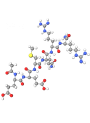
Acetyl Hexapeptide-8 (eq Argireline)
Cosmetics
Pal-GHK, Pal-GQPR (eq Matrixyl 3000)
Cosmetics
Safe-B3™ (Vitamin B3, Niacinamide)
Cosmetics
GlucoBright™ (Acetyl Glucosamine)
Cosmetics
Triethanolamine 99%
Cosmetics