Feedback on Anti-Wrinkle and Lifting Cream Formulation
Asked by: kamiin_km
On: September 23, 2019
Product Type:
Cosmetics
Answered
Question
I would like to make an anti-wrinkle and lifting cream using the following ingredients and percentages. Could you please advise which ingredients should be reduced, removed, or added?
- Repair Activator 10%
- Acetyl Hexapeptide-8 (Argireline) 4%
- Pal-GHK, Pal GQPR (Matrixyl 3000) 6%
- Apple Stem Cell Extract 4%
- DMAE (SkinTightMD) Liquid 3%
- VitaminB5 (Panthenol) 3%
- Safe B3 (VitaminB3, Niamide) 5%
- GlocoBright (n-acetyl glucosamine) 4%
- Lift-Now 3%
- Wrinkle-Fill 2%
- Adenosine Liposome 3%
- Ectoine 2%
- Pisum Sativum Extract (Pea-Ex) 5%
- Quick-Coll 2%
- Lactobionic Acid 4%
- PiteraEx 1.5%
- Superoxide Dismutase (SOD) 0.5%
- Methylsilanol Mannuronate 5%
- Borage Oil 2%
- Pomegranate Seed Oil 2%
- Resveratrol LongMax 2%
- Ceramide2 0.2%
- LipidSoft Slove 0.2%
- Wrinkle Lax 0.6%
- Coenzyme Q10 0.5%
- Mild Preserved Eco 0.5%
- Distilled Water 25%
Answer
Subject: Feedback on Anti-Wrinkle and Lifting Cream Formulation
Thank you for providing your proposed formulation for an anti-wrinkle and lifting cream. This is a comprehensive list of ingredients targeting various aspects of skin aging.
Here are some points to consider and potential adjustments:
- High Concentration of Actives: The total percentage of active ingredients is very high. While using multiple actives can be beneficial, a very high concentration can lead to challenges in formulation stability, compatibility issues between ingredients, and potentially increase the risk of skin irritation or sensitivity, especially for individuals with sensitive skin.
- Potential Redundancy: Some ingredients may have overlapping functions (e.g., multiple peptides and antioxidants). While synergy is possible, you might consider optimizing the concentrations or selecting the most impactful ones for your specific goals.
- Specific Ingredient Considerations:
- Matrixyl 3000 (ID 51): 6% is a high concentration; typical effective concentrations are often lower (e.g., 3-4%). You could potentially reduce this percentage without significantly compromising efficacy, which might also help with formulation stability and cost.
- Wrinkle-Fill (L-Tyrosine) (ID 492): While L-Tyrosine has roles in the body, its efficacy as a primary topical "wrinkle filler" at 2% compared to other ingredients in your list might be limited. You could consider if this ingredient is essential or if its percentage could be reduced or potentially removed if you need to make space for other ingredients or simplify the formula.
- Ceramide2 (ID 2072): 0.2% is quite low for significant skin barrier support. Increasing the concentration (e.g., to 0.5-1%) could help improve skin health, especially when using actives like Lactobionic Acid (ID 2259) which promotes cell turnover.
- LipidSoft Slove (ID 55): 0.2% is a very low concentration for an emollient. Its purpose at this level might need clarification or adjustment depending on the desired texture and feel of the cream.
- Potential Additions:
- Consider adding a good humectant like Hyaluronic Acid (various molecular weights) to enhance hydration and provide a plumping effect, which helps reduce the appearance of fine lines and contributes to a smoother look.
- Ensure your base formulation (emulsifiers, thickeners, humectants other than those listed, etc.) is robust enough to handle such a high active load and provide the desired texture and stability. The low percentage allocated to water (25%) and the remaining base (9.5%) suggests a very concentrated formula, which requires careful formulation expertise.
Summary of Recommendations:
- Reduce: Consider slightly reducing the percentage of Matrixyl 3000 (ID 51) and potentially other actives with overlapping functions if needed for formulation stability or to reduce potential irritation.
- Evaluate/Potentially Remove: Assess the necessity and impact of Wrinkle-Fill (L-Tyrosine) (ID 492).
- Increase: Consider increasing the concentration of Ceramide2 (ID 2072) for better barrier support.
- Consider Adding: Hyaluronic Acid for enhanced hydration and plumping.
It is highly recommended to perform stability testing and compatibility testing when combining this many active ingredients at high concentrations. Consulting with a formulator experienced in high-active cosmetic products would be beneficial.
Related Products Mentioned
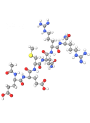
Acetyl Hexapeptide-8 (eq Argireline)
Cosmetics
Pal-GHK, Pal-GQPR (eq Matrixyl 3000)
Cosmetics
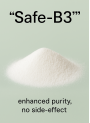
Safe-B3™ (Vitamin B3, Niacinamide)
Cosmetics

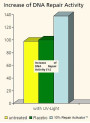
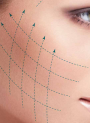
Lift-Now™
Cosmetics
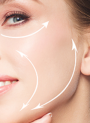
DMAE (SkinTight MD™) Liquid
Cosmetics
Wrinkle-Lax™ คลายริ้วรอย
Cosmetics
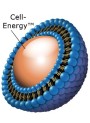
Adenosine Liposome
Cosmetics
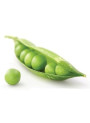
Pisum Sativum Extract (Pea-Ex™)
Cosmetics
Quick-Coll®
Cosmetics

Ceramide 2 (Ceramide NG)
Cosmetics
Lactobionic Acid
Cosmetics
Methylsilanol Mannuronate
Cosmetics