First-time DIY Vitamin C Serum Formulation and Ingredient Check
Question
I am a first-time DIYer attempting to make a Vitamin C serum based on a formula I found (referencing a post about L-Ascorbic Acid serum). I placed an order for ingredients (Order No. #014577).
Could you please review if the items I ordered are suitable for this formula or if I made any mistakes in my ingredient selection for a Vitamin C serum?
Answer
Guidance for Making Your First Vitamin C Serum
Welcome to the world of DIY skincare! It's great that you're trying to make your own serum. Regarding your order number #014577, I am unable to access specific order details. However, I can provide guidance based on the Vitamin C serum formula you linked and the types of Vitamin C available.
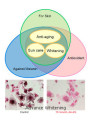
The forum post you referenced discusses a Vitamin C serum using L-Ascorbic Acid. This is a potent form of Vitamin C known for its effectiveness in brightening skin, reducing wrinkles, stimulating collagen, and acting as an antioxidant. Our products like Vitamin C (L-ascorbic acid) (Fine) and Vitamin C (L-ascorbic acid) (Standard) are examples of this type.
When working with L-Ascorbic Acid, it's important to note that it is not very stable when dissolved directly in water and can oxidize. To help stabilize it, the formula should be kept at a low pH, typically between 2.0-4.0 (the FDA requires cosmetics applied to the skin to have a pH of at least 3.5). Including Disodium EDTA in the formula is also recommended to help protect the Vitamin C from metal ions that can cause degradation.
Mixing L-Ascorbic Acid usually involves dissolving the powder in the water phase. Gentle, short-term heating (50-70°C for 1-3 minutes) can sometimes help with dissolution. It's best to add it in the final step of your formulation process when the temperature is below 30°C. For long-term storage, keeping the finished serum in the refrigerator at 6-8°C, away from light and heat, in a tightly sealed container, is highly recommended to maintain its potency.
There are also other forms of Vitamin C available, each with different properties and stability profiles that might be easier for beginners or suitable for different formula types:
- Ascorbyl Glucoside (AA-2G Stabilized Vitamin C): A water-soluble, more stable form than L-Ascorbic Acid, but requires pH adjustment to 6.5-6.8 for optimal stability.
- Ethyl Ascorbic Acid (3-O-ethyl ascorbic acid, Vitamin C Ethyl Ether): A highly stable, water-soluble form that is easy to mix and effective for brightening.
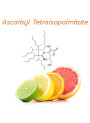
- Perfect-C™ (Ascorbyl Tetraisopalmitate): An oil-soluble form that is very stable and effective for whitening, anti-aging, and collagen stimulation. It's mixed in the oil phase and requires a formula pH of 5.0-5.5.
- Sodium Ascorbyl Phosphate (Vitamin C SAP, e.q. Stay C50): A highly stable, water-soluble form that is alkaline (pH 8-11) and works best in formulas with a pH of 7-9.
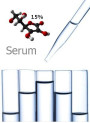
- Stabilized Vitamin C (Natural-C Glycol™) Serum: A ready-to-use liquid base containing 15% L-Ascorbic Acid that is highly stable but not suitable for adding other ingredients as it can affect stability.
- Vitamin C E Ferulic: A blend that uses Ascorbic Acid stabilized with Vitamin E and Ferulic Acid.
To determine if the ingredients you ordered are suitable for the specific L-Ascorbic Acid serum formula you followed, please compare the ingredients you received with the requirements of that formula, paying close attention to the type of Vitamin C and any other specific components mentioned in the recipe. Ensure you follow the mixing instructions and pH requirements for the specific type of Vitamin C you are using to achieve the best results and stability.
Related Products Mentioned
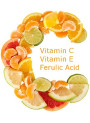
Vitamin C E Ferulic
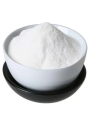
Vitamin C (L-ascorbic acid) (Fine)