Foam Cleanser Formulation for Makeup Removal
Question
I'm trying to create a foam cleanser formula similar to [Original Product Name, implied]. How can I formulate a foam cleanser, and how can I ensure it effectively removes makeup? The staff suggested adding MakeUp-Wash™ (PEG-6 Caprylic/Capric Glycerides). Can you provide a basic formula structure and explain how this ingredient helps with makeup removal?
Answer
Foam Cleanser Formula Similar to Original
Based on the ingredients provided and the staff's recommendations, a foam cleanser formula similar to the original can be created using the following key components:
Key Cleansing Agents
The primary cleansing and foaming agents in the original formula are:
- Sodium Cocoyl Isethionate: Provides gentle cleansing and rich foam. You can use BabyFoam™ (Sodium Cocoyl Isethionate).
- Decyl Glucoside: A mild, natural non-ionic surfactant that is gentle on the skin. You can use Coco Glucoside.
- Cocamidopropyl Betaine: An amphoteric surfactant that helps boost foam and provides a smooth feel. You can use Cocamidopropyl Betaine.
These three surfactants form the base of the cleansing system.
Humectant
- Glycerin: Acts as a humectant to help retain moisture in the skin, preventing dryness. Use Glycerin (USP/Food Grade).
Preservative System
The original formula contains several preservatives. A suitable broad-spectrum preservative blend is recommended to protect the formula from microbial growth. Consider using:
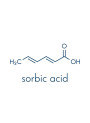
- Phenoxyethanol SA (eq. Optiphen Plus): This blend contains Phenoxyethanol, Caprylyl Glycol, and Sorbic Acid, offering broad protection. The original formula also listed Potassium Sorbate, Benzoic Acid, and Salicylic Acid, and Sorbic Acid. Phenoxyethanol SA is a convenient option covering some of these functions.
- Alternatively, you could use Sodium Benzoate and Potassium Sorbate in combination, depending on the desired pH and required protection.
Optional for Makeup Removal
The original formula is not ideal for makeup removal. If you need the cleanser to effectively remove makeup, you should add:
- MakeUp-Wash™ (PEG-6 Caprylic/Capric Glycerides): This ingredient helps dissolve makeup and allows for easy rinsing.
Basic Formulation Structure
A simple starting point for a similar formula would involve combining the cleansing agents with water, glycerin, and a preservative. You can adjust the ratios of the surfactants to achieve the desired foam and feel. Remember to adjust the pH of the final formula to be skin-friendly (typically between 5.0-6.5) using an acid like Citric Acid or Lactic Acid, especially when using Coco Glucoside which has a high pH.
- Water: Base of the formula.
- Cleansing Agents (BabyFoam™, Coco Glucoside, Cocamidopropyl Betaine): Combine these in appropriate ratios (e.g., BabyFoam™ as the primary, with Coco Glucoside and Cocamidopropyl Betaine as co-surfactants).
- Glycerin: Add for moisturization.
- Preservative (e.g., Phenoxyethanol SA): Essential for product stability.
- Optional (MakeUp-Wash™): Include if makeup removal is needed.
- pH Adjuster (Citric Acid or Lactic Acid): To bring the pH to the desired range.
Other ingredients in the original formula, such as plant extracts (Aloe Vera, Raspberry Leaf, Blackcurrant Leaf, Witch Hazel, Daisy Flower, Epilobium Angustifolium) and other moisturizing/conditioning agents (Betaine, Propanediol, Hydrolyzed Hyaluronic Acid, Rhamnose, Glucuronic Acid, Glucose), contribute to the feel and potential benefits but are less critical for the basic cleansing function. You can add these based on your formulation goals.
Always perform stability and challenge testing on your final formula to ensure safety and efficacy.
Related Products Mentioned
Glycerin (USP/Food Grade)
Cocamidopropyl Betaine
Coco Glucoside
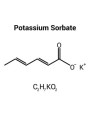
Potassium Sorbate

Phenoxyethanol SA (eq. Optiphen Plus)