Foam Cleansing Cream Consistency Issue at Room Temperature
Question
My foam cleansing cream formula (containing Stearic Acid, Myristic Acid, Lauric acid, Beeswax, glycols, KOH, etc.) is liquid at 20-25°C but thickens at 40-50°C. Why does this happen, and how can I modify the formula or mixing procedure to achieve a stable, stiff foam consistency at room temperature?
Answer
Foam Cleansing Cream Consistency Issue
Based on your formula and the behavior you described (liquid at 20-25°C, thicker at 40-50°C), the issue likely stems from the phase behavior of the potassium soaps formed by the reaction of your fatty acids (Stearic Acid, Myristic Acid, Lauric Acid) with KOH. Soap-water systems can exhibit complex phase transitions depending on temperature, concentration, and the specific fatty acid chain lengths.
Your formula's behavior suggests that the desired structured phase (which provides thickness and stability) is more favored at slightly higher temperatures (40-50°C) but becomes less stable or doesn't form properly at typical room temperature (20-25°C), leading to the formula becoming liquid.
This could be influenced by:
- Fatty Acid Ratio: The balance between the longer chain Stearic Acid and shorter chain Lauric Acid is critical for soap structure stability across temperatures. A higher proportion of shorter chains can sometimes lead to less structure at lower temperatures.
- Glycols: Ingredients like Dipropylene glycol and Polyethylene glycol can affect the solubility and phase behavior of the soap system.
Recommendations and Solutions
To achieve a stable, firm texture at room temperature, consider the following adjustments and techniques:
- Adjust Fatty Acid Ratio: Slightly increase the ratio of longer-chain fatty acids like Stearic Acid (e.g., using a grade with higher Stearic content or increasing its percentage slightly) relative to Myristic Acid and Lauric Acid. This can help build a more robust soap structure that holds up better at lower temperatures.
- Add a Co-thickener/Structurant: Incorporating a fatty alcohol such as Cetyl Alcohol or Cetearyl Alcohol (typically at 0.5-2%) into your oil phase can significantly improve the stability and firmness of the cream structure by forming a supporting waxy network.
- Refine Mixing and Cooling: The process of saponification and subsequent cooling is crucial. Ensure complete saponification and control the cooling rate with appropriate stirring to allow the soap structure to form correctly.
Suggested Mixing Procedure
Follow a standard hot process method for saponification:
- Phase A (Oil Phase): Combine Stearic Acid, Myristic Acid, Lauric Acid, and Beeswax (and any fatty alcohol like Cetyl Alcohol if adding) in a heat-resistant container. Heat this phase to 75-80°C and stir until all solids are melted and the phase is uniform.
- Phase B (Water Phase): In a separate container, heat the majority of your Aqua (water) to 75-80°C. In a small portion of the remaining water, carefully dissolve the KOH. Add the dissolved KOH solution to the main hot water phase. Add Tetrasodium EDTA to this water phase. Stir until dissolved.
- Combine Phases: Slowly add Phase B to Phase A while stirring continuously. Use a high-shear mixer initially if available to ensure good emulsification and saponification. Maintain the temperature at 75-80°C for 15-20 minutes with stirring to complete the saponification reaction.
- Cooling: Begin cooling the mixture with continuous stirring. As the mixture cools, it will start to thicken.
- Add Heat-Sensitive Ingredients: At around 50°C, add Dipropylene glycol and Polyethylene glycol. Continue stirring.
- At around 40°C, add pre-dispersed solids like Kaolin Clay and Titanium Dioxide 200nm EasyDisperse. Ensure they are fully incorporated.
- Below 35°C, add the Fragrance and any other very heat-sensitive ingredients.
- Continue stirring until the product reaches room temperature (20-25°C) and the desired texture is achieved.
By implementing these suggestions, particularly adjusting the fatty acid balance and potentially adding a fatty alcohol, you should be able to create a more stable and consistently viscous foam cleansing cream at room temperature.
Relevant Products Mentioned:
- Stearic Acid
- Myristic Acid
- Lauric Acid
- Beeswax
- Dipropylene glycol
- Polyethylene glycol
- Tetrasodium EDTA
- Titanium Dioxide 200nm EasyDisperse
- Kaolin Clay
Related Products Mentioned

Dipropylene glycol
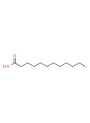
Lauric Acid (99%)
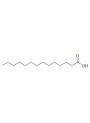
Myristic Acid (FEMA-2764)
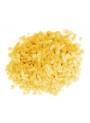
Yellow Beeswax
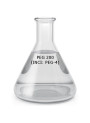
Polyethylene Glycol 200 (PEG-4)
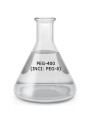
Polyethylene Glycol 400 (PEG-8)
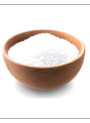
Polyethylene Glycol 10000 (PEG10000)
Tetrasodium EDTA (EDTA-4Na)
Emulsifying Beeswax (Non-Ionic, Natural)