Foaming Issue in Cream with Laurocapram (Water Soluble)
Question
Why does cream containing Laurocapram (Water Soluble) foam when shaken, is this normal, and how can this foaming be reduced or prevented? Are there alternative penetration enhancers for water-soluble ingredients?
Answer
Foaming Issue in Cream Containing Laurocapram (Water Soluble)
Understanding the Issue
Laurocapram (Water Soluble) is a penetration enhancer that helps water-soluble active ingredients penetrate the skin. The property of some penetration enhancers to reduce surface tension can lead to increased foaming when the product is shaken, especially in cream formulations containing other foaming-promoting ingredients like certain emulsifiers or having insufficient viscosity.
Therefore, the foaming you observed does not necessarily mean your formula is incorrect, but rather it can be a characteristic that occurs naturally in formulas containing these components.
Approaches to Reduce Foaming
If you wish to reduce foaming, you can consider several methods in your formulation:
- Adjust the formula's viscosity: A thicker cream consistency will help reduce air incorporation when shaken, making foaming less likely.
- Use an Antifoaming Agent: Certain ingredients are specifically designed to help reduce or prevent foaming in cosmetic formulations. Adding an appropriate amount of these agents might solve the problem.
- Consider Alternative Penetration Enhancers: If the above adjustments are not satisfactory or you wish to avoid foaming issues directly related to Laurocapram, you can consider other alternative penetration enhancers suitable for water-soluble ingredients, such as:
Alternative Penetration Enhancers for Water-Soluble Ingredients
For water-soluble active ingredients, besides Laurocapram (Water Soluble), there are other interesting penetration enhancers available, such as:
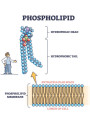
- Phospholipid: Derived from modified natural Soy Lecithin, it can carry both water- and oil-soluble substances, provides a good skin feel, and helps moisturize the skin. It is available in various forms, including powder (Phospholipid) and an easy-to-use water-soluble liquid form like PhosCare™ (Water Soluble 15% Phospholipid).
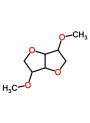
- Dimethyl Isosorbide (DMI): An effective solvent and carrier for water-soluble ingredients with a long history of safe use. However, DMI may have a characteristic ether-like odor that might require masking in the formula.
- Ethoxydiglycol: A versatile solvent and carrier that can help dissolve certain ingredients and enhance the efficacy of other carriers.
When choosing a new penetration enhancer, you should consider its compatibility with your active ingredients and other components in your formula and conduct testing to achieve the best results.
In summary, foaming in a cream containing Laurocapram (Water Soluble) when shaken is not always abnormal. It can be addressed by adjusting the formula's viscosity, using an antifoaming agent, or considering alternative penetration enhancers like Phospholipid, Dimethyl Isosorbide (DMI), or Ethoxydiglycol.
Related Products Mentioned
Ethoxydiglycol (e.q. Transcutol)
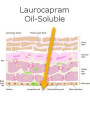
Laurocapram (Oil Soluble)
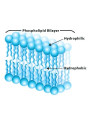
Phospholipid
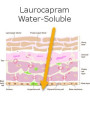
Laurocapram (Water Soluble)
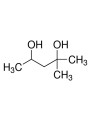
Hexylene Glycol