Formula Analysis: Effectiveness of Low Concentration Actives
Question
Please analyze the following formula.
Given the ingredient percentages below, will it take a long time to see results? (Due to low budget, the amounts are small).
Which of the ingredients below will not be effective?
Should anything be adjusted?
Formula Ingredients:
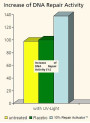
- Repair Activator 0.5% (Repairs skin DNA damaged by UVA light)
- Azelaic Acid 5% (Treats melasma, dark spots, brightens skin, reduces clogged pores, controls oil production)
- Licorice Extract 1% (Reduces skin inflammation, irritation, redness from acne, reduces acne, controls facial oil)
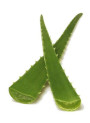
- Aloe Vera Extract 1% (Reduces allergy/irritation, especially sunburned skin, speeds wound healing, reduces skin inflammation and irritation)
- Vitamin B3 5% (Reduces wrinkles, redness/dark spots from acne, increases moisture, stimulates collagen and ceramide production for stronger skin)
- Tranexamic Acid 1% (Brightens skin, reduces melanin formation, treats melasma)
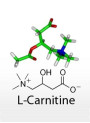
- Acetyl L-Carnitine 0.5% (Liquid type) (Balances skin moisture)
- Methylsulfonylmethane MSM 1% (Helps synthesize collagen, improves skin elasticity, helps wound healing, treats scars, controls oil, reduces sebum production)
- Phenoxyethanol 1%
- Pro Polymer 2%
- Purified Water 82%
Answer
Formula Analysis and Ingredient Effectiveness
Based on the formula you provided, here is an analysis of the effectiveness of each active ingredient at the specified concentration:
- Repair Activator 0.5%: The recommended usage rate for Repair Activator is typically 5-100%. At 0.5%, the concentration is likely too low to provide significant DNA repair benefits.
- Azelaic Acid 5%: This concentration is within the recommended range (5-10%) for benefits like reducing dark spots, blemishes, and controlling oil. While 5% can be effective, using 10% is often recommended for optimal results, especially for whitening and blemishes. You should see some results, but it might take longer.
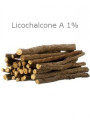
- Licorice Extract 1%: This concentration is within the recommended range (0.5-3%) for reducing inflammation, irritation, redness, acne, and controlling oiliness, particularly for the Licochalcone A type. It should be effective for these purposes.
- Aloe Vera Extract 1%: This is at the lower end of the recommended range (1-10%). It will provide some moisturizing and soothing benefits, but higher concentrations would offer more pronounced effects.
- Vitamin B3 5%: This is a standard and effective concentration for Vitamin B3 (Niacinamide). It should provide benefits for wrinkles, hyperpigmentation, moisture, skin barrier strength, and oil control.
- Tranexamic Acid 1%: The recommended usage rate for cosmetic whitening is typically 3%. At 1%, the effect on reducing melanin and blemishes may be less pronounced and take longer to appear compared to using 3%.
- Acetyl L-Carnitine 0.5%: The recommended usage rate for L-Carnitine for skin benefits (moisture balance, cell turnover, oil reduction) is typically 1-5%. At 0.5%, the concentration is likely too low to provide significant benefits.
- Methylsulfonylmethane MSM 1%: The recommended usage rate for MSM is 1-5% (3% for oil control, 5% for exfoliation). At 1%, it may offer some minimal oil control benefit, but likely not significant effects on collagen synthesis or scar healing compared to higher concentrations.
- Phenoxyethanol 1%: This is a standard and effective concentration for a preservative.
- Pro Polymer 2%: This amount is reasonable for a thickener/film former, depending on the specific polymer type and desired texture.
Summary of Effectiveness and Potential Adjustments:
Given the concentrations, you are likely to see effects from Azelaic Acid, Licorice Extract, and Vitamin B3, although the results for Azelaic Acid and potentially Tranexamic Acid might be slower or less intense than at higher recommended levels. The concentrations of Repair Activator, Acetyl L-Carnitine, and MSM are likely too low to provide noticeable benefits.
Seeing results from this formula will likely take some time due to the lower concentrations of several key active ingredients, especially if your budget limits increasing them. If you want to improve the efficacy and potentially see results faster, consider increasing the concentration of:
- Repair Activator (aim for 5% or higher)
- Tranexamic Acid (aim for 3%)
- Acetyl L-Carnitine (aim for 1-3%)
- MSM (aim for 3% for oil control)
However, increasing concentrations will also increase the cost. You might need to prioritize which benefits are most important to you and adjust those specific ingredients accordingly within your budget. The current formula is unlikely to cause harm, but some ingredients may not be providing their intended benefits at these low levels.
Related Products Mentioned
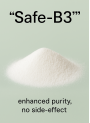
Safe-B3™ (Vitamin B3, Niacinamide)
L-Carnitine (Carnitine)

Pure MSM™ (Methylsulfonylmethane)