Formula Evaluation and Questions (Serum, Gel)
Asked by: fewruko
On: February 02, 2015
Product Type:
Cosmetics
Answered
Question
I have two cosmetic formulas and some questions regarding their suitability, mixing, and packaging.
Serum Formula
- Formula:
water 85.9%vit B3 4%NAD 4%greentea 5%disodium EDTA 0.1%phenoxethanol 1%
- Is this formula suitable?
- After mixing, can I sprinkle
propolymerto slightly increase viscosity?
Gel Formula
- Formula:
water 50%sea kelp 10%lemon peel 2%DMAE 10%aloe vera 3%Natural betain 5%phyto hormone 5%L-tyrosine 2%sodium PCA 10%phenoxethanol 1%propolymer 2%
- Is this formula suitable?
- Is it necessary to mix the gel base first before adding
sodium pca?
General Questions
- Do any of the ingredients used in these formulas clog pores?
- Can the finished cream/gel product be put into aluminum containers?
- What are the available sizes for the aluminum containers you sell?
Answer
Formula Evaluation and Questions
Serum Formula
- Formula: Water 85.9%, Vit B3 4%, NAD 4%, Green Tea 5%, Disodium EDTA 0.1%, Phenoxyethanol 1%
- Suitability: This formula is generally suitable for a serum. Key active ingredients like Vitamin B3 (Niacinamide), NAD+, and Green Tea Extract are beneficial for the skin. Niacinamide at 4% is within the recommended range (1-10%) and helps with wrinkles, hyperpigmentation, hydration, skin barrier, and oil control. NAD+ at 4% is higher than the recommended rate (1-2%) and might need adjustment based on product information for optimal efficacy and cost. Green Tea Extract at 5% is also higher than the recommended rate (1-5%, 1-3% recommended for skin) and may result in a darker color and specific scent. Disodium EDTA helps chelate metal ions for formula stability. Phenoxyethanol is used at a typical preservative rate (0.5-1.0%).
- Adding Propolymer for Thickening: This is possible as advised by 'cosmeceutical7'. Propolymer needs to be properly mixed (stirred/blended) until dissolved to form a gel, not just sprinkled. For slight serum-like thickening, a lower rate like 0.3-0.5% as suggested by 'cosmeceutical7' can be used. Propolymer (Carbomer) gels well at pH 6-7 and is sensitive to high electrolyte concentrations. This formula contains Disodium EDTA and other potential electrolytes, which might make gelling slightly more challenging than usual.
Gel Formula
- Formula: Water 50%, Sea Kelp 10%, Lemon Peel 2%, DMAE 10%, Aloe Vera 3%, Natural Betaine 5%, Phyto Hormone 5%, L-Tyrosine 2%, Sodium PCA 10%, Phenoxyethanol 1%, Propolymer 2%
- Suitability: As noted by 'cosmeceutical7', this formula contains many ingredients at relatively high concentrations and for diverse purposes, which requires considering compatibility and necessity. DMAE at 10% is higher than the maximum recommended rate (1-10%, 3% recommended, and >5% may be irritating/sticky) and could easily cause irritation. Lemon Peel Bioferment at 2% is within the recommended range (0.5-5%, 2-3% recommended) and helps with brightening and is an antioxidant. Sea Kelp Extract at 10% is higher than the recommended rate (1-10%, 1-3% recommended) and might have a fishy smell. Aloe Vera Extract at 3% is within the recommended range (1-10%) and helps soothe and hydrate. Natural Betaine at 5% is within the recommended range (2-10%) and provides hydration and reduces irritation. L-Tyrosine (Acetyl-Tyrosine) at 2% is within the recommended range (1-2%) and works well with DMAE for wrinkle reduction. Sodium PCA at 10% is higher than the recommended rate (0.5-2%) and is a good NMF component for hydration, but a high amount might affect gel viscosity. Propolymer at 2% is within the range for creating a gel (0.5-3%). The specific "Phyto Hormone" at 5% is unclear from the name; if it refers to Kinetin, the recommended rate is 0.1-0.2%, making 5% very high.
- Mixing Order for Sodium PCA: As advised by 'cosmeceutical7' and based on the properties of Propolymer (Carbomer), which is sensitive to electrolytes (like Sodium PCA) and low pH, it is easier to form the gel base with Propolymer first until it thickens, and then add Sodium PCA. Adding Sodium PCA early will make gel formation more difficult and slower.
General Questions
- Pore Clogging: Generally, most of the ingredients mentioned (such as Niacinamide, NAD+, Green Tea Extract, Disodium EDTA, Phenoxyethanol, Sea Kelp Extract, Lemon Peel Bioferment, DMAE, Aloe Vera Extract, Natural Betaine, L-Tyrosine, Sodium PCA) are not considered directly pore-clogging. However, allergic reactions or irritation are separate possibilities that depend on individual skin sensitivity and ingredient concentration, particularly DMAE at high concentrations which can be irritating for some.
- Using Aluminum Containers for Cream: This is possible as advised by 'cosmeceutical7'. If the cream consistency is too liquid for a jar, adding a small amount of Propolymer, around 0.5%, can help thicken it to a suitable consistency for jarring.
- Aluminum Container Size: Information regarding the specific sizes of aluminum containers available for sale is not accessible in the current database.
Related Products Mentioned

Safe-B3™ (Vitamin B3, Niacinamide)
Cosmetics
Sea Kelp Extract
Cosmetics
Phenoxyethanol (Extra Pure)
Cosmetics
Sodium PCA 50%
Cosmetics
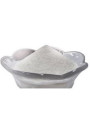
Natural Betaine (Crystal)
Cosmetics
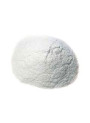
Disodium EDTA
Cosmetics
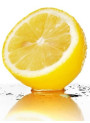
Lemon Peel Bioferment (Lemon Skin™)
Cosmetics
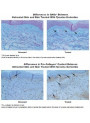
Wrinkle-Fill™ (Acetyl-Tyrosine)
Cosmetics
DMAE (SkinTight MD™) Liquid
Cosmetics
Carbomer 940 (EasyDisperse™, France)
Cosmetics
Hi-EGCG™ (Green Tea Extract)
Cosmetics
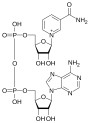
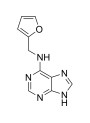
Kinetin
Cosmetics