Formula Evaluation: Whitening, Stability, and Preservation
Question
I have a formula with the following ingredients:
- Glycereth 26 5%
- VersaMoist 2%
- Methyl Gluceth 20 1%
- Xanthan Gum 0.2%
- Satin Cream Maker 1%
- Disodium EDTA 0.5%
- Perfect-C 5%
- SymWhite 0.5%
- Phenoxyethanol 1%
- Water (remaining part)
I have the following questions about this formula:
- Can this formula help with skin whitening and brightening?
- Is the formula sufficient for the stability of the active ingredients? For example, can SymWhite be fully effective and dissolved?
- If I reduce Phenoxyethanol from 1% to 0.5%, how would it differ from the original formula, or would it reduce the effectiveness?
Answer
Formula Evaluation
This formula contains several ingredients aimed at improving skin hydration, texture, and brightness. Let's evaluate its potential and stability based on your questions.
1. Skin Whitening and Brightening Potential
Yes, this formula has good potential to help with skin whitening and brightening. It includes two key active ingredients known for these effects:
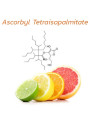
- Perfect-C (Ascorbyl Tetraisopalmitate) at 5%: This is an oil-soluble form of Vitamin C that is highly stable and well-absorbed by the skin. At a concentration of 5%, it is within the effective range (2% or more) for brightening the skin. It also offers antioxidant benefits and can help stimulate collagen production.
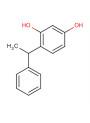
- SymWhite (Phenylethyl Resorcinol) at 0.5%: This ingredient is a potent inhibitor of tyrosinase, the enzyme responsible for melanin production. The concentration of 0.5% is the recommended usage rate for leave-on products and is known to be highly effective in reducing hyperpigmentation and improving skin tone. SymWhite also provides antioxidant protection.
The combination of these two actives, working through different mechanisms (tyrosinase inhibition by SymWhite and antioxidant/brightening effects by Perfect-C), provides a comprehensive approach to achieving brighter and more even-toned skin.
2. Formula Stability and Active Ingredient Efficacy
The formula includes ingredients that support the stability and potential efficacy of the active ingredients:
- Disodium EDTA at 0.5%: This chelating agent helps to bind metal ions in the water phase, which can otherwise degrade sensitive ingredients like Vitamin C derivatives (Perfect-C). The concentration used is sufficient for this purpose.
- Perfect-C (Ascorbyl Tetraisopalmitate): As an oil-soluble and inherently stable form of Vitamin C, Perfect-C is generally robust within formulations, especially when protected by a chelating agent like Disodium EDTA. Its description indicates good stability in cream formulas.
- SymWhite (Phenylethyl Resorcinol): SymWhite is a light powder that dissolves in oil. The formula uses Satin Cream Maker, which is an emulsifier designed for cream formulations containing an oil phase. This suggests SymWhite can be properly dissolved in the oil phase or incorporated into the final cream. However, the stability and full efficacy of SymWhite are highly dependent on the final pH of the formula, which ideally should be in the range of 4-5. If the formula's pH is outside this range (especially above 6), the stability of SymWhite may be compromised. Proper mixing procedures, ensuring SymWhite is fully dissolved, and maintaining the correct pH are crucial for its effectiveness.
- Overall: The formula structure with an emulsifier (Satin Cream Maker) and humectants (Glycereth 26, VersaMoist, Methyl Gluceth-20) is suitable for incorporating both oil-soluble (Perfect-C, SymWhite) and water-soluble ingredients. The stability of the active ingredients relies on proper formulation techniques, particularly pH control for SymWhite and the presence of Disodium EDTA for Perfect-C.
3. Reducing Phenoxyethanol from 1% to 0.5%
Phenoxyethanol is used as a preservative in this formula. Its primary role is to prevent microbial growth (bacteria, yeast, and mold), which is essential for the safety and shelf life of the product.
- Preservative Efficacy: Phenoxyethanol is effective against bacteria but less so against fungi. The recommended usage rate is 0.5-1.0%. Reducing the concentration from 1% to 0.5% means using the minimum recommended level. This might decrease the overall spectrum and level of microbial protection, potentially making the formula more susceptible to contamination, especially by fungi.
- Impact on Actives/Formula: Reducing the preservative concentration does not directly affect the function or stability of the active ingredients like Perfect-C or SymWhite, nor does it change the physical properties (texture, viscosity) provided by ingredients like Xanthan Gum or Satin Cream Maker. However, inadequate preservation can lead to microbial spoilage, which could indirectly impact the stability and efficacy of the entire product over time.
- Irritation Potential: The "Extra Pure" grade of Phenoxyethanol is designed to reduce irritation. While 1% is generally considered safe, reducing to 0.5% might slightly lower the potential for irritation in very sensitive individuals, although this is less likely with the "Extra Pure" grade.
- Recommendation: To ensure the safety and longevity of the product, it is highly recommended to perform a challenge test (microbial testing) on the final formula with 0.5% Phenoxyethanol to confirm that this concentration provides adequate preservation against a broad range of microorganisms throughout the product's intended shelf life. If the challenge test fails, the concentration may need to be increased back to 1% or a co-preservative added.
Related Products Mentioned
Phenoxyethanol (Extra Pure)
Disodium EDTA


Satin Cream Maker™
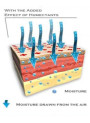
Methyl Gluceth-20