Formula Questions: pH, Mixing, Texture Change (Gel to Cream), Acne/Whitening Efficacy, and FDA Registration
Question
I have a cosmetic formula and would like to ask the following questions:
1. What is the exact pH of this formula?
2. Are the mixing steps I used correct?
3. How can I change the texture of this formula from a gel to a cream?
4. Does this formula help with acne and whitening?
5. What is the process for FDA registration so I can sell this product?
Answer
Response to Your Formulation Questions
Thank you for providing your formula and questions. Based on your formula and the information gathered about the ingredients, here is a response to your questions:
Regarding your questions about the pH of the formula, the correctness of the mixing steps, and how to change the texture from gel to cream:
- Determining the exact pH of a complex formula requires laboratory testing and cannot be calculated precisely based on the ingredients and percentages alone.
- Validating or correcting specific mixing steps like the one you described requires detailed knowledge of the physical and chemical properties of all ingredients and their interactions, which is beyond the capability of this tool.
- Changing a gel formula to a cream formula typically involves adding emulsifiers and oil-phase ingredients to create a stable emulsion. Your current formula primarily consists of water-soluble ingredients and a gelling agent (xanthan gum). To make it a cream, you would need to significantly modify the formula by incorporating an oil phase and an emulsifying system, which is a complex formulation development task.
Regarding whether this formula helps with acne and whitening:
Yes, the formula contains several active ingredients known for their benefits in treating acne and improving skin tone:
- Capryloyl Salicylic Acid (LHA): This is a derivative of salicylic acid known for its exfoliating properties. It helps to gently shed dead skin cells and unclog pores, which can be beneficial for acne-prone skin. It is also known to be less irritating than traditional salicylic acid.
- Niacinamide (Safe-B3™): Also known as Vitamin B3, Niacinamide has multiple benefits. It can help reduce inflammation associated with acne, regulate sebum production (reducing oiliness), improve skin barrier function, and reduce the appearance of hyperpigmentation (dark spots) left by acne or sun exposure, contributing to a more even skin tone.
- Azelaic Acid (Liquid Azelaic™): This ingredient is effective in reducing redness and inflammation associated with acne. It also has properties that help unclog pores and reduce the growth of acne-causing bacteria. Furthermore, Azelaic Acid is well-regarded for its ability to lighten dark spots and improve overall skin brightness.
- Alpha Arbutin: A popular skin brightening agent, Alpha Arbutin works by inhibiting tyrosinase, an enzyme involved in melanin production. This helps to reduce the formation of dark spots, freckles, and uneven skin tone, leading to a brighter complexion.
- Tranexamic Acid (Trans-White™): This ingredient is primarily used for its skin brightening effects, particularly in reducing the appearance of melasma and other forms of hyperpigmentation. It helps to improve skin clarity and evenness.
Collectively, the combination of LHA, Azelaic Acid, and Niacinamide targets acne by exfoliating, reducing inflammation, controlling oil, and fighting bacteria. Niacinamide, Alpha Arbutin, and Tranexamic Acid work together to address skin whitening and reduce hyperpigmentation. Therefore, the ingredients in your formula are indeed relevant for addressing both acne and skin whitening concerns.
Regarding your question about FDA registration for selling the product:
As previously advised by the staff, you can contact customer service via email to request the necessary documents for FDA submission.
Related Products Mentioned
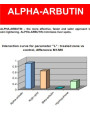
Alpha Arbutin (Switzerland)
Safe-B3™ (Vitamin B3, Niacinamide)