Formula Review and Adjustment for Melasma Cream SPF 30 PA+++
Question
I am developing a melasma cream with SPF 30 PA+++ using the following formula:
- Phase A (Water Phase):
- Tranexamic Acid 5.0%
- Glycolic Acid 8.0%
- Disodium EDTA 0.1%
- Bisabolol 1.0%
- Phenoxyethanol 0.5%
- Triethanolamine (for pH adjustment)
- Water (balance)
- Phase B (Oil/Silicone Phase):
- Avobenzone 3.0%
- Octisalate 5.0%
- Octocrylene 7.0%
- Warp Cream Maker™ 4.0%
- Silicone Gel Base 5.0%
- Dimethicone 3.0%
- Cyclomethicone 10.0%
My proposed mixing method is to add Phase A to Phase B while blending. I would like to know if it is possible to add Silicone Gel Base after mixing the emulsion finished to adjust the feeling or texture of the final cream.
Answer
Formula Review: Melasma Cream with SPF 30 PA+++
Your formula for a melasma cream with SPF 30 PA+++ is well-structured and includes key active ingredients. Here's a review with some points to consider:
Key Ingredients and Concentrations
- Tranexamic Acid (5.0%): Tranexamic acid is effective for brightening and addressing melasma. However, in Thailand, concentrations above 3% require the product to be registered as a medicine, not a cosmetic. You may need to adjust the concentration to 3% or register the product accordingly.
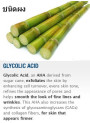
- Glycolic Acid (8.0%): Glycolic acid is a potent AHA for exfoliation and improving skin texture. An 8% concentration is relatively high for a consumer cosmetic product (typically up to 10% with pH > 3.5). Ensure the final product pH is maintained between 3.5-4.0 for both efficacy and safety as per regulations. The effectiveness of Glycolic acid is highly dependent on pH (best below 4.0).
- Sunscreen Filters (Avobenzone 3%, Octisalate 5%, Octocrylene 7%): This combination provides broad-spectrum UVA/UVB protection. The concentrations appear suitable for achieving SPF 30 PA+++, but actual SPF/PA values should be confirmed with testing or a sunscreen simulator. Avobenzone is a key UVA filter, and Octocrylene helps stabilize it. Octisalate provides UVB protection.
- Disodium EDTA (0.1%): Including Disodium EDTA is beneficial, especially with Avobenzone, as it helps chelate metal ions that can destabilize the sunscreen filters. The concentration is appropriate.
- Bisabolol (1.0%): Bisabolol is known for its soothing and potential skin-brightening properties, which can be helpful in a formula containing AHAs and sunscreens. The concentration is within the typical usage rate.
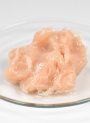
- Warp Cream Maker™ (4.0%): This is a water-in-oil emulsifier suitable for creating light, non-greasy textures, often used in sunscreens and makeup.
- Silicone Gel Base (5.0%), Dimethicone (3.0%), Cyclomethicone (10.0%): These silicones contribute to the texture, spreadability, and feel of the cream, providing a smooth and potentially matte finish.
- Phenoxyethanol (0.5%): This is a common preservative. The concentration is within the recommended range (0.5-1.0%). A challenge test is recommended to ensure adequate preservation against various microorganisms.
- Triethanolamine: Used for pH adjustment. The amount needed will depend on the initial pH of phase A (due to Glycolic Acid) and the desired final pH (3.5-4.0).
Mixing Method
Your proposed mixing method (adding phase A to phase B while blending) is correct for creating a water-in-oil emulsion using Warp Cream Maker™.
The suggestion from cosmeceutical7 to adjust the pH of phase A (water phase) with Triethanolamine before combining it with phase B is a good practice. This allows for more accurate pH measurement and adjustment in the aqueous phase before emulsification.
Adjusting Feeling Post-Mixing
Regarding your question about adding Silicone Gel Base after mixing to adjust the feeling:
While it might be possible to incorporate a silicone gel into the finished cream to modify the texture, it is generally not recommended for optimal stability and homogeneity, especially in an emulsion system like this. Silicone gels are best incorporated into the oil or silicone phase (Phase B in your formula) before the emulsification process. Adding it afterward could potentially disrupt the emulsion structure, leading to instability or uneven texture.
If you want to adjust the feeling, it's better to experiment with the percentage of the silicone gel base or other silicones (Dimethicone, Cyclomethicone) in Phase B during the formulation development stage.
Summary of Potential Adjustments
- Tranexamic Acid Concentration: Consider reducing to 3% if registering as a cosmetic in Thailand.
- pH Adjustment: Follow the advice to adjust the pH of phase A before combining with phase B. Ensure the final pH is 3.5-4.0.
- Silicone Gel Addition: Incorporate the Silicone Gel Base into Phase B before emulsification for best results. Adjust the percentage in Phase B if you want to modify the final texture.
- Preservation: Conduct a challenge test to confirm the efficacy of Phenoxyethanol at 0.5% for your specific formula.
Overall, your formula is a solid starting point. The main considerations are regulatory compliance for Tranexamic Acid concentration and ensuring proper pH control and mixing technique for emulsion stability and ingredient efficacy.
Related Products Mentioned

Natural Bisabolol (Brazil Chamomile)
Triethanolamine 99%
Phenoxyethanol (Extra Pure)
Disodium EDTA
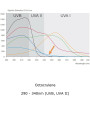
Octocrylene
Warp Cream Maker™ (e.q. Nikkomulese wo)
Glycopure™ (Glycolic Acid (AHA) Powder)