Formula Review and Emulsifier Change for Light Cream Texture
Question
I have formulated a cream with the goal of achieving a light texture that utilizes the fast evaporation of Cyclopentasiloxane. My current formula is as follows:
- Vitamin B3 (Niacinamide) 4%
- N-Acetylglucosamine 4%
- Alpha Arbutin 2%
- Panthenol (Vitamin B5) 1%
- Cyclopentasiloxane 25%
- Propylene glycol 10%
- Glycerin 3%
- Vitamin E (Tocopheryl Acetate) 1%
- Phenoxyethanol 0.5%
- Cetyl alcohol 2%
- Glyceryl sterate 1%
I would like advice on how to adjust the emulsifier system (Cetyl alcohol and Glyceryl Stearate) to achieve the desired light and fast-absorbing texture, considering the high percentage of Cyclopentasiloxane. Are there alternative emulsifiers or adjustments to the current system that would be more suitable?
Answer
Formula Review and Emulsifier Advice
Thank you for sharing your formula and your goal of achieving a light cream texture that utilizes the fast evaporation of Cyclopentasiloxane. Your current formula includes several beneficial active ingredients.
Regarding your question about adjusting the emulsifier percentage, the combination of Cetyl alcohol (2%) and Glyceryl Stearate (1%) acts as a co-emulsifier and thickener system. Cetyl alcohol, in particular, contributes to the viscosity and stability of the emulsion but can also lead to a heavier feel compared to some polymeric thickeners.
The staff suggestion to replace Cetyl alcohol and Glyceryl Stearate with Sepiplus 400 at 2% is a good approach for achieving a lighter texture. Sepiplus 400 is a polymeric emulsifier and thickener that can create light, non-greasy textures, which aligns with your goal of a lightweight cream that complements the feel of Cyclopentasiloxane.
Here's a look at the other ingredients in your formula:
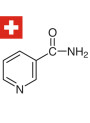
- Vitamin B3 (Niacinamide) (4%): A great multi-functional ingredient known for reducing wrinkles, improving skin barrier function, reducing redness and hyperpigmentation, controlling oil, and fighting acne. Your concentration of 4% is within the effective range (typically 1-10%, with 5% often recommended).
- N-Acetylglucosamine (4%): Works synergistically with Niacinamide for skin brightening and reducing dark spots. It also helps stimulate hyaluronic acid production for hydration. Your 4% is within the recommended range (1-8%, often used with Niacinamide at 2-4%).
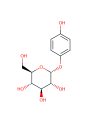
- Alpha Arbutin (2%): A popular skin brightening agent that inhibits melanin production. The 2% concentration is the recommended maximum for effective whitening.
- Panthenol (Vitamin B5) (1%): Acts as a humectant, moisturizer, anti-inflammatory, and wound healer. 1% is a good starting point for skin benefits (usage rate is typically 0.5-10%, with 1-3% recommended).
- Cyclopentasiloxane (25%): As you noted, this lightweight silicone provides a smooth, non-greasy feel and evaporates quickly. 25% is a high percentage, which strongly contributes to the light, fast-absorbing feel you desire. Ensure your chosen emulsifier system can handle this oil load.
- Propylene glycol (10%) and Glycerin (3%): These are effective humectants that help attract and retain moisture in the skin, contributing to hydration and product texture.
- Vitamin E (Tocopheryl Acetate) (1%): Acts as an antioxidant. The staff's advice to consider removing it if you have oily or acne-prone skin is relevant because Vitamin E (especially oil-soluble forms like Tocopheryl Acetate) can potentially contribute to clogged pores for some individuals.
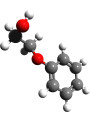
- Phenoxyethanol (0.5%): A common preservative. Your concentration of 0.5% is within the typical usage rate (0.5-1.0%). Ensure this concentration provides adequate preservation for your specific formula through challenge testing, especially given the high water content.
In summary, switching to Sepiplus 400 at around 2% as suggested by the staff is likely the most effective way to achieve the lightweight, non-greasy texture you are aiming for, while still maintaining a stable emulsion with your high percentage of Cyclopentasiloxane. Consider the staff's advice on Vitamin E based on your skin type.
Related Products Mentioned
Vitamin E (Tocopheryl Acetate)
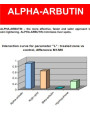
Alpha Arbutin (Switzerland)

Safe-B3™ (Vitamin B3, Niacinamide)
GlucoBright™ (Acetyl Glucosamine)
Propylene Glycol (USP)
Glycerin (USP/Food Grade)
Phenoxyethanol (Extra Pure)

Phenoxyethanol SA (eq. Optiphen Plus)
Alpha Arbutin (China, Crystal Form)
KF-995 (Cylopentasiloxane, D5)
Phenoxyethanol P5
Sepimax Zen