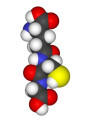
Formula Review for Acne & Brightening Serum: Ingredient Compatibility, Texture Issues, and Usage
Question
I have developed a serum formula for oily but dehydrated skin, aiming to treat acne, reduce acne marks, and brighten the skin. I would appreciate a review of the formula and answers to the following specific questions:
My formula contains the following ingredients and percentages:
- Vitamin C (L-ascorbic acid) 15%
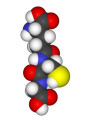
- Glutathione 1.5%
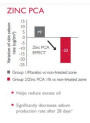
- Zinc PCA 1%
- Licorice Extract 1%
- Acetyl L-Carnitine 3%
- MSM 5%
- Allantoin 0.5%
- Pro Polymer 1%
- pH adjusted to 3.5-4 using Triethanolamine
- Remaining amount is Distilled Water (72.15%)
Specific questions:
- When mixing Zinc PCA and Licorice Extract, foaming occurs. Is this normal, and which ingredient causes this foam?
- My Pro Polymer has clumped into large lumps. Is it still usable? What causes this clumping, and how should I store it properly?
- Can this formula be used together with BHA?
- Can I replace the entire amount of Distilled Water (72.15%) with HA Gel Base?
Answer
Formula Review and Additional Questions
Hello, regarding the formula you inquired about, with the goals of treating acne, reducing acne marks, and achieving brighter skin for oily but dehydrated skin, here are some comments and suggestions:
Ingredients and Percentages
- Vitamin C (L-ascorbic acid) 15%: This is a high concentration that is good for brightening the skin and reducing acne marks. However, L-ascorbic acid is most stable at a low pH (3-3.5). Adjusting the pH up to 3.5-4 with Triethanolamine, while within the acceptable range for most other ingredients, may cause Vitamin C to degrade faster over time. It should be stored in the refrigerator, and changes in color should be monitored.
- Glutathione 1.5%: This amount is appropriate for its antioxidant and brightening properties. A pH of 3.5-4 is within its suitable range (3-6).
- Zinc PCA 1%: This percentage is quite high, which is good for oil control and treating acne. It helps heal acne scars effectively. A pH of 3.5-4 is acceptable, although the optimal pH for solubility is 4-6.
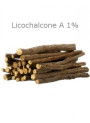
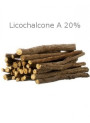
- Licorice Extract 1%: Based on your observation of foaming when mixed with Zinc PCA, it is likely the water-soluble type of Licorice Extract (Licochalcone A 1%), which has good anti-inflammatory properties, reduces redness from acne, and helps control oiliness. It does not directly contribute to whitening. The 1% concentration is within the recommended range for these properties.
- Acetyl L-Carnitine 3%: L-Carnitine helps with moisture balance and gently accelerates skin cell turnover. The 3% concentration is within the recommended range. A pH of 3.5-4 is within its suitable range (3.5-8).
- MSM 5%: Has oil control properties and helps with skin elasticity. The 5% concentration is at the higher end of the recommended range and may have exfoliating properties. However, MSM is not suitable for use with Vitamin C (L-ascorbic acid) in the same formula as it may cause Vitamin C to oxidize significantly faster than expected. You should consider removing MSM from this formula if you want to maintain the best efficacy of Vitamin C.
- Allantoin 0.5%: Helps reduce irritation and promotes new tissue formation. The 0.5% concentration is well-soluble in water at room temperature and is within the recommended range. A pH of 3.5-4 is within its suitable range (3-8).
- Pro Polymer 1%: This is a gel-forming agent. The 1% concentration is within the general range. Since the formula contains Zinc PCA, which is an electrolyte, you might need to use a higher amount of Pro Polymer (e.g., 2-3%) to achieve the desired gel consistency, as the description suggests increasing Pro Polymer when electrolytes are present. The clumping of Pro Polymer is due to moisture absorption; it can still be used but requires longer mixing time to dissolve completely.
Using with BHA
You can use this formula together with BHA, but caution is advised. This formula contains Vitamin C (L-ascorbic acid) and MSM (at 5%), which may already have exfoliating properties. Using it in combination with BHA, which is a direct exfoliant, could increase the risk of skin irritation, especially for dehydrated skin. It is recommended to observe your skin's reaction or use them at different times, such as this formula in the morning and BHA at night, or alternate days.
Using HA Gel Instead of Distilled Water
As previously advised, using a large amount of Hyaluronic Acid for oily skin might make it feel sticky or oilier. While HA Gel Base will help with hydration, replacing all the distilled water (72.15%) with HA Gel Base (which is mostly water + HA + thickener + preservative) might make the product texture too heavy for oily skin and feel uncomfortable. It is recommended to consider using Hyaluronic Acid at a suitable concentration (e.g., 0.1-0.5% of powdered Hyaluronic Acid, or use a smaller amount of HA Gel Base) or choose other moisturizing agents that are lighter and more suitable for oily skin.
Foaming and Clumping Issues
- Foaming: The foaming observed when mixing Zinc PCA with Licorice Extract (water-soluble type) is normal. This type of Licorice Extract undergoes an emulsification process to make it water-soluble, which can cause foaming. It does not affect efficacy, and the foam will gradually disappear on its own.
- Pro Polymer Clumping: This is caused by moisture absorption. It can still be used as usual but requires longer mixing or stirring time to dissolve completely. Pro Polymer should be stored in a dry place with the container tightly sealed.
Summary and Additional Recommendations
This formula contains good ingredients for addressing acne, controlling oiliness, and helping with acne marks/brightening. However, the main issue is the incompatibility between Vitamin C (L-ascorbic acid) and MSM, which can cause Vitamin C to degrade very quickly. You should remove MSM from the formula if you want the best efficacy from Vitamin C.
Using it with BHA requires caution due to the presence of multiple exfoliating ingredients in the formula.
Replacing all distilled water with HA Gel might make oily skin feel too heavy. Adjust the amount or choose lighter moisturizers.
Adjusting the pH with Triethanolamine to 3.5-4 helps stabilize most ingredients, but Vitamin C (L-ascorbic acid) is most stable at a slightly lower pH (3-3.5) and may degrade faster over time at pH 3.5-4.
Related Products Mentioned

Allantoin
Vitamin C (L-ascorbic acid) (Ultra-Fine)
Vitamin C (L-ascorbic acid) (Fine)
Triethanolamine 99%
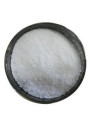
Salicylic Acid (BHA, Pharma Grade)
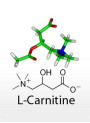
L-Carnitine (Carnitine)
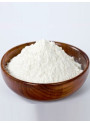
Pure MSM™ (Methylsulfonylmethane)
Glutathione (L-Glutathione) (Extrasol)
Pro Polymer™ (Gel Maker)
Zinc PCA
Vitamin C (L-ascorbic acid) (Standard)
Hyaluronic Acid Gel Base