Formula Review for Anti-Aging, Anti-Acne, and Brightening Emulsion
Question
I would like to request a review of my skincare emulsion formula, which aims to address anti-aging, anti-acne, and skin brightening concerns. Below are the ingredients and my proposed formulation steps. Could you please check for compatibility, stability, and optimal processing?
Water Phase (DI Water 50%, with remaining for pH and texture adjustment):
Disodium EDTA0.2%Lecithin gel1.5%Propylene Glycol5%Propanediol3%Mild preserved COS1%Licorice Extract (Licochalcone A 1%, Water-Soluble)2%Acacia Salicylic Acid2%Safe-B34%GlucoBright™ (Acetyl Glucosamine)4%Micromul™ EGCG2%Micromul™ 10HDA3%Propolis Extract (Liquid, Water-Soluble, High Flavonoids)2%
pH Adjustment (before oil phase, target pH 5-5.5, suitable for Actin AC and other stable ingredients):
- Alkaline Adjusters:
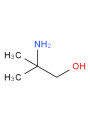
L-arginine,AMP (2-Amino-2-methyl-1-propanol) 95% (Deodorized) - Acidic Adjusters:
Citric acid,Malic acid
Oil Phase:
Dimethyl Isosorbide (DMI)2%Bakuchiol-Eco1%Protec™ OX0.1%Protec™ UV0.1%Squalane3%Actin AC3%Lipidsoft cyclo3%Phosphomax1%Xanthan gum0.3%
Final Steps:
- Check pH and texture before completion.
- May use small amounts of
glycolorLipidsoftto adjust texture. - May add more
LecithinGelif the emulsion is not well-emulsified. - Final pH adjustment to 5-5.5.
- Add remaining
DI waterto 100%.
Answer
Formula Review: Advanced Skincare Emulsion
This is a well-designed formula with a strong focus on anti-aging, anti-acne, and skin brightening, utilizing a good selection of active ingredients. Here's a detailed review:
Water Phase Ingredients
The water phase is rich in active ingredients and humectants:
- Disodium EDTA (0.2%): Excellent for chelating metal ions, enhancing formula stability, and protecting sensitive ingredients like Bakuchiol-Eco and Actin AC.
- LecithinGel™ (1.5%): A versatile water-oil binder and thickener that provides a creamy texture and aids in ingredient penetration. The usage rate is appropriate.
- Propylene Glycol (5%) & Propanediol (3%): These are effective humectants and solvents, contributing to skin hydration and aiding in the dissolution of other water-soluble ingredients. Propanediol is a natural alternative to Propylene Glycol, offering a good skin feel.
- Mild Preserved™ COS (1%): A broad-spectrum preservative suitable for the target pH range, ensuring microbial stability.
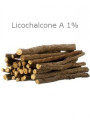
- Licorice Extract (Licochalcone A 1%, Water-Soluble) (2%): A great choice for anti-inflammatory, anti-acne, and oil control benefits. Its recommended pH range (3.5-6.5) is compatible with your target pH.
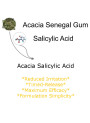
- Acacia Salicylic Acid (2%): This water-soluble form of Salicylic Acid is effective for exfoliation and acne treatment with reduced irritation, making it a good choice for sensitive skin.
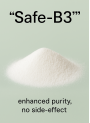
- Safe-B3™ (Niacinamide) (4%): A powerful multi-functional ingredient for reducing wrinkles, hyperpigmentation, improving skin barrier, and controlling oil. The 4% concentration is effective, and its optimal pH range (4.0-7.0) aligns well with your formula.
- GlucoBright™ (Acetyl Glucosamine) (4%): An excellent partner for Safe-B3™ for enhanced whitening, dark spot reduction, and natural hyaluronic acid stimulation. Its pH compatibility (3-7) is also good.
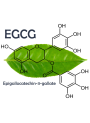
- Micromul™ EGCG (2%): This microemulsion form of EGCG provides potent antioxidant benefits, moisture retention, and skin brightening. It should be added to the water phase, avoiding heat.
- Micromul™ 10HDA (3%): Offers antimicrobial, anti-inflammatory, and wound-healing properties, contributing to overall skin health and acne management.
- Propolis Extract (Liquid, Water-Soluble, High Flavonoids) (2%): Known for its anti-inflammatory, antibacterial, and antioxidant properties, further supporting acne reduction and skin soothing. It should be added without heat.
Oil Phase Ingredients
The oil phase combines emollients, active ingredients, and protective agents:
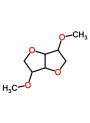
- Dimethyl Isosorbide (DMI) (2%): This is a crucial penetration enhancer, especially beneficial for Bakuchiol-Eco. The 2% concentration is within the recommended range for optimal delivery.
- Bakuchiol-Eco™ (1%): A natural retinol alternative that offers anti-aging benefits without irritation. It's important to note its heat sensitivity and pH requirements (below 6.5, ideally 3.5-6.5), which are addressed by your formula's target pH and the presence of Disodium EDTA.
- Protec™ OX (0.1%) & Protec™ UV (0.1%): These are excellent choices for protecting the formula's sensitive ingredients from oxidation and UV degradation, respectively. Protec™ OX requires heat (70-80°C) for dissolution, while Protec™ UV mixes in oil.
- Squalane (3%): A highly compatible emollient that moisturizes and provides a smooth skin feel. It is heat-sensitive and should be added carefully.
- Actin AC (3%): A comprehensive anti-acne active that regulates sebum, reduces inflammation and PIH, and has antibacterial properties. It is heat-sensitive (avoid heat above 50°C) and requires a pH below 6.0 (ideally 3.5-5.5).
- LipidSoft™ Cyclo (3%): A silicone alternative that provides a light, non-greasy feel and enhances spreadability.
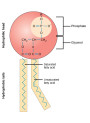
- PhosphoMax™ (1%): A natural phospholipid emulsifier. It can withstand heat up to 80°C and is recommended to be used with Xanthan Gum for emulsion stability, which you have included.
- Xanthan Gum (0.3%): This thickener is essential for stabilizing the emulsion, especially when using PhosphoMax™ as the primary emulsifier.
pH Adjustment
Your target pH of 5-5.5 is ideal for the stability and efficacy of most active ingredients, especially Actin AC (3.5-5.5), Licorice Extract (3.5-6.5), Bakuchiol-Eco™ (3.5-6.5), Safe-B3™ (4.0-7.0), and GlucoBright™ (3-7).
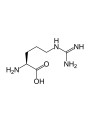
- L-arginine & AMP (2-Amino-2-methyl-1-propanol) 95% (Deodorized): Good alkaline adjusters. AMP is particularly good for stability.
- Citric Acid & Malic Acid: Standard acidic adjusters.
Mixing and Stability Considerations
The main challenge will be incorporating heat-sensitive ingredients with those that require heat for dissolution.
- Recommended Mixing Order:
- Water Phase (Heated): Combine DI Water, Disodium EDTA, Propylene Glycol, Propanediol, and Xanthan Gum. Heat this phase to dissolve Xanthan Gum and prepare for emulsification.
- Oil Phase (Heated): Combine DMI, Protec™ OX, Protec™ UV, LipidSoft™ Cyclo, and PhosphoMax™. Heat this phase to 70-80°C to dissolve Protec™ OX and PhosphoMax™.
- Emulsification: Slowly add the heated oil phase to the heated water phase with continuous stirring/homogenization.
- Cool Down: Allow the emulsion to cool down to below 50°C, ideally below 45°C.
- Add Heat-Sensitive Actives: Once cooled, add Licorice Extract, Acacia Salicylic Acid, Safe-B3™, GlucoBright™, Micromul™ EGCG, Micromul™ 10HDA, Propolis Extract, Bakuchiol-Eco™, Squalane, and Actin AC. Ensure thorough mixing after each addition.
- pH Adjustment: Adjust the pH to 5-5.5 using L-arginine/AMP or Citric Acid/Malic Acid.
- Final Adjustments: Adjust texture with additional glycol, LipidSoft™, or LecithinGel™ as needed. Add remaining DI water to 100%.
Overall Assessment
This formula is comprehensive and targets multiple skin concerns effectively. The choice of ingredients is synergistic, particularly the combination of Safe-B3™ and GlucoBright™ for brightening, and Acacia Salicylic Acid, Actin AC, Micromul™ 10HDA, and Propolis Extract for acne management. The inclusion of DMI and LecithinGel™ will aid in the penetration and stability of the actives. Careful attention to the mixing process, especially regarding temperature, will be key to ensuring the stability and efficacy of all ingredients.
Follow-up Replies
Question:
I am developing an emulsion formula and was wondering if it's possible to use a cold process method. My current formula includes various ingredients, and I'm specifically considering the following approach:
- Dissolving
Protec™ OXinCaprylic/Capric Triglycerideto liquefy it. - Dissolving
Xanthan GuminDI waterto liquefy it.
After preparing these two liquefied components, can they be combined using a cold process to create a stable emulsion?
I am trying to avoid heat due to other heat-sensitive active ingredients in my formula, such as Licorice Extract, Acacia Salicylic Acid, Safe-B3™, GlucoBright™, Micromul™ EGCG, Micromul™ 10HDA, Propolis Extract, Bakuchiol-Eco™, Squalane, and Actin AC. My formula also includes Protec™ UV, LipidSoft™ Cyclo, PhosphoMax™, DMI, Disodium EDTA, Propylene Glycol, and Propanediol.
Answer:
Cold Process Feasibility for Your Emulsion Formula
It's a good thought to try and adapt the formula for a cold process, especially to protect heat-sensitive ingredients. However, based on the properties of some key ingredients, a true cold process (where no heat is applied at all) is not feasible for this specific formulation.
Here's why:
- Protec™ OX: This ingredient specifically requires heating to 70-80°C for proper dissolution. While you can use
Caprylic/Capric Triglycerideas a solvent for oil-soluble ingredients, it will not helpProtec™ OXdissolve at room temperature. You would still need to heat the oil phase containingProtec™ OXto ensure it fully dissolves and integrates into the formula. - Xanthan Gum: While
Xanthan Gumcan be dispersed in cold water, it hydrates much slower and can form lumps if not properly dispersed with high shear or by pre-dispersing it in a humectant likePropylene GlycolorPropanediol(which you already have in your formula) before adding it to water. Even then, heating the water phase generally ensures a smoother, more uniform gel. - PhosphoMax™: This emulsifier is designed to withstand heat up to 80°C, indicating it is typically used in hot process emulsions. While some emulsifiers work in cold processes,
PhosphoMax™combined withXanthan Gumusually performs best when at least the oil phase (and often the water phase too) is heated for proper emulsification and stability.
Recommended Approach: Modified Hot Process
Given these considerations, the most effective and stable way to create this emulsion is still a modified hot process (or warm process) as previously outlined. This involves:
- Heating the Oil Phase: Heat the oil phase (containing
Protec™ OX,Protec™ UV,LipidSoft™ Cyclo,PhosphoMax™, andDMI) to 70-80°C to ensureProtec™ OXandPhosphoMax™are fully dissolved and ready for emulsification. - Heating the Water Phase: Heat the water phase (containing
Disodium EDTA,Propylene Glycol,Propanediol, andXanthan Gum) to a similar temperature (70-80°C) to ensureXanthan Gumhydrates properly and to match the temperature of the oil phase for stable emulsion formation. - Emulsification: Combine the heated phases.
- Cooling Down: Crucially, allow the emulsion to cool down significantly (below 50°C, ideally below 45°C) before adding your heat-sensitive active ingredients.
- Adding Heat-Sensitive Actives: Once cooled, incorporate
Licorice Extract,Acacia Salicylic Acid,Safe-B3™,GlucoBright™,Micromul™ EGCG,Micromul™ 10HDA,Propolis Extract,Bakuchiol-Eco™,Squalane, andActin AC. - Final Adjustments: Adjust pH and texture as needed.
This method ensures the proper dissolution and function of all ingredients while protecting the efficacy of your valuable heat-sensitive actives.
Question:
I am developing an emulsion formula and have observed a consistent challenge with PhosphoMax™.
- It dissolves much more easily in the water phase, even without heat or at a low temperature of approximately 40°C.
- Conversely, it is difficult to dissolve in the oil phase, even when using a hot process.
I have repeated this observation twice with the same results.
My current formula includes:
- Water Phase:
DI Water,Disodium EDTA,Propylene Glycol,Propanediol,Xanthan Gum - Oil Phase:
Dimethyl Isosorbide (DMI),Protec™ OX,Protec™ UV,LipidSoft™ Cyclo - Heat-Sensitive Actives (added in cool-down phase):
LecithinGel™,Mild Preserved™ COS,Licorice Extract,Acacia Salicylic Acid,Safe-B3™,GlucoBright™,Micromul™ EGCG,Micromul™ 10HDA,Propolis Extract,Bakuchiol-Eco™,Squalane,Actin AC
Could you please advise on the optimal processing method to effectively incorporate PhosphoMax™ into this emulsion, ensuring stability and protecting heat-sensitive ingredients, given its unique solubility characteristics?
Answer:
Revised Processing Recommendation for Your Emulsion Formula
Thank you for your valuable feedback regarding PhosphoMax™! Your practical experience is crucial, and it's excellent that you've conducted repeat tests to confirm its behavior. Your observation that PhosphoMax™ disperses much more easily in the water phase, even at lower temperatures (around 40°C) or cold, and struggles to dissolve in the oil phase even with heat, is very important.
This information significantly refines the optimal processing for better stability and ease of manufacturing, while also better protecting your heat-sensitive ingredients.
Updated Processing Recommendation (Modified Warm Process)
Based on your findings, here is an updated and more precise processing recommendation:
Prepare the Water Phase (Warm/Cold depending on other ingredients):
- Combine
DI Water,Disodium EDTA,Propylene Glycol,Propanediol, andPhosphoMax™. - Gently warm this phase to around 40-50°C (or even cold, if
Xanthan Gumcan be fully hydrated effectively without higher heat, perhaps by pre-dispersing it in glycols). This temperature should be sufficient to helpPhosphoMax™disperse well, as you've observed. - Separately, disperse
Xanthan Gumin a small portion ofPropylene GlycolorPropanediolto create a slurry, then add this to the water phase with good agitation to ensure full hydration without lumps. Alternatively, addXanthan Gumdirectly to the water phase with high shear. - Maintain this water phase at the chosen temperature (e.g., 40-50°C).
- Combine
Prepare the Oil Phase (Heated):
- Combine
Dimethyl Isosorbide (DMI),Protec™ OX,Protec™ UV,LipidSoft™ Cyclo. - Heat this oil phase to 70-80°C to ensure
Protec™ OXis fully dissolved.
- Combine
Emulsification:
- Once both phases are at their respective temperatures, slowly add the heated oil phase (70-80°C) to the warm water phase (40-50°C) with continuous stirring/homogenization. The temperature difference is manageable for emulsion formation, especially with
PhosphoMax™already dispersed in the water phase acting as an emulsifier.
- Once both phases are at their respective temperatures, slowly add the heated oil phase (70-80°C) to the warm water phase (40-50°C) with continuous stirring/homogenization. The temperature difference is manageable for emulsion formation, especially with
Cool Down:
- Allow the emulsion to cool down with continuous gentle stirring. This is critical.
- Once the emulsion has cooled to below 50°C, ideally below 45°C, proceed to add the heat-sensitive actives.
Add Heat-Sensitive Actives (Cool Phase):
- Add
LecithinGel™,Mild Preserved™ COS,Licorice Extract,Acacia Salicylic Acid,Safe-B3™,GlucoBright™,Micromul™ EGCG,Micromul™ 10HDA,Propolis Extract,Bakuchiol-Eco™,Squalane, andActin AC. Ensure thorough mixing after each addition.
- Add
pH Adjustment:
- Adjust the pH to 5-5.5 using your chosen alkaline (L-arginine, AMP) or acidic (Citric acid, Malic acid) adjusters.
Final Adjustments:
- Check and adjust texture with additional
glycolorLipidSoft™as needed. - Add remaining
DI waterto 100%.
- Check and adjust texture with additional
This revised approach directly addresses your observations about PhosphoMax™ solubility, ensuring it's incorporated effectively while still allowing for the necessary heating of Protec™ OX and protecting all your heat-sensitive ingredients. Your practical feedback is invaluable for optimizing formulations!
Related Products Mentioned
Safe-B3™ (Vitamin B3, Niacinamide)
GlucoBright™ (Acetyl Glucosamine)
Squalane (Olive)
Propylene Glycol (USP)
Disodium EDTA

Dimethyl Isosorbide (DMI)
L-Arginine
Acacia Salicylic Acid
LipidSoft™ Cyclo (e.q. Cetiol Ultimate)

Bakuchiol-Eco ™ (Natural Retinol)

LecithinGel™
Malic Acid (DL-Malic Acid)
Citric Acid (Anhydrous, Natural)