Formula Review for Gentle Gel Cleanser
Question
I would like to inquire about a formula. I want to make a gel facial cleanser (semi-cleansing) in a pump bottle that doesn't create foam when pumped. The formula should be gentle and contain Tea Tree Essential Oil.
Desired properties:
- Cleansing: Medium to high (easy to rinse off, not slippery on the face, but doesn't leave face dry)
- Foam: Small to medium
- Easy to spread on the face, apply the gel by massaging it onto the face after wetting with water, then rinse off.
The ingredients are as follows:
Phase A
5.00% Cocamidopropyl Betaine
2.00% Coco-Glucoside
5.00% AminoWash (Sodium Lauroyl Glutamate)
5.00% Glycerin
------Dissolve in 70 ml water
Phase B
2.00% Sucrose Cocoate (LC Cream Maker)
3.00% HEC
------Warm Phase A, then add Sucrose Cocoate and HEC and stir until dissolved.
Add
0.20% Tea Tree Essential Oil (Water Soluble)
0.50% Phenoxyethanol (Optiphen)
Adjust pH with Lactic Acid to pH=5.5
Is this combination of surfactant, emulsion (LC Cream Maker), and gel (HEC) feasible? I plan to use it myself and potentially sell it in the future. Also, I currently have HEC for the gel; if I add 0.30% Konjac in the future, would the gel texture improve? If you have other suggestions or ingredient recommendations, please advise. I want to refine the formula before purchasing ingredients. Thank you.
Answer
Formula Review
Your formula includes a good selection of ingredients for a gentle cleanser:
Surfactant Blend (Cocamidopropyl Betaine, Coco Glucoside, AminoWash):
- Cocamidopropyl Betaine is an amphoteric surfactant known for its mildness and ability to boost foam and viscosity when combined with other surfactants. It is derived from coconut oil.
- Coco Glucoside is a very gentle, non-ionic surfactant derived from coconut oil and corn glucose. It's suitable for sensitive skin and often used in hypoallergenic products. It doesn't produce much foam on its own but contributes to mild cleansing.
- You mentioned AminoWash (Sodium Lauroyl Glutamate). While I couldn't find specific product information for "AminoWash" in the database, Sodium Lauroyl Glutamate is generally known as a mild, amino acid-based anionic surfactant that provides good cleansing and a pleasant feel.
- Combining these surfactants should result in a gentle cleansing system with moderate foam, aligning with your goal of "small to medium" foam. The blend of amphoteric, non-ionic, and anionic (assuming AminoWash is Sodium Lauroyl Glutamate) surfactants is a common strategy for creating mild yet effective cleansers.
Glycerin: This is an excellent humectant that helps attract and retain moisture in the skin, counteracting the potential drying effect of surfactants. Including it at 5% will contribute to the non-drying feel you desire.
LC Cream Maker (Sorbitan Stearate (and) Sucrose Cocoate): This ingredient is described as an oil-in-water emulsifier that helps create a liquid crystal structure, which can enhance skin penetration and provide moisture. It's often used in creams and lotions, including eye creams due to its mildness. While your formula doesn't have a significant oil phase (only the Tea Tree Oil), LC Cream Maker might be included here for its mildness and potential contribution to texture or skin feel, rather than primary emulsification. The description notes it should be used with a gel maker for stability.
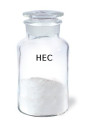
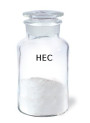
HEC (Hydroxyethyl Cellulose): This is a non-ionic gelling agent that will provide the gel texture for your cleanser. It works well in formulas containing electrolytes and can be used in a wide pH range. The mixing instructions for HEC involve heating water to 70°C and stirring continuously to avoid clumping.
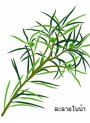
Tea Tree Essential Oil (Water Soluble): You've included a water-soluble version of Tea Tree Oil, which is appropriate for a water-based gel cleanser. Tea Tree Oil is known for its antibacterial properties and is often used in products for acne-prone skin. The usage rate of 0.20% is well within the recommended maximum of 2% for facial products, minimizing the risk of irritation.
Phenoxyethanol (Optiphen SA): This is a broad-spectrum preservative blend (Phenoxyethanol, Caprylyl Glycol, Sorbic Acid) that is effective against bacteria, yeast, and mold. It's a good choice for water-based formulas. The recommended usage rate is 0.5-1.25%, and your 0.50% is within this range. It is effective in a pH range of 2.0-6.0.
Lactic Acid: This is used to adjust the pH of your formula to 5.5. Lactic Acid is also an AHA, known for gentle exfoliation and moisturizing properties, although at the low concentration used for pH adjustment, its primary role here is pH modification. A pH of 5.5 is suitable for a facial cleanser as it is close to the skin's natural pH and within the effective range for your preservative.
Addressing Your Questions
- Feasibility of the surfactant, emulsion, and gel combination: Yes, the combination of these ingredients is feasible for creating a gel cleanser. The surfactants provide cleansing and some foam, HEC creates the gel structure, and LC Cream Maker can contribute to the texture and mildness. While LC Cream Maker is an emulsifier, in a formula with minimal oil, its role is more about modifying texture and feel rather than emulsifying a large oil phase.
- Adding Konjac: You asked if adding 0.30% Konjac would improve the gel. I was unable to find specific information on Konjac in the product database. However, other gums like Xanthan Gum or Carbomer are commonly used gel makers in cosmetic formulations and could potentially improve the texture or stability depending on the desired feel. If you are looking to modify the gel texture, exploring other available gel-forming agents and their properties would be beneficial.
Suggestions and Considerations
- Mixing Procedure: Your proposed mixing method (heating Phase A, then adding LC Cream Maker and HEC) seems reasonable for incorporating these ingredients into the water phase. Ensure you follow the specific instructions for dissolving HEC, which typically requires heating water to around 70°C and stirring continuously to avoid clumping. The description for LC Cream Maker also suggests heating the water phase to 80°C for incorporation.
- Surfactant Concentration: The total concentration of your primary surfactants (Cocamidopropyl Betaine and Coco Glucoside, plus AminoWash) is 12%. This should provide moderate cleansing power. You can adjust these percentages slightly based on your desired level of cleansing and foam, keeping in mind the recommended usage rates for each ingredient.
- Total Formula Percentage: Ensure that the percentages of all ingredients, including the water (which you listed as 70ml, but should be calculated as a percentage of the total formula weight to reach 100%), add up correctly.
- Preservation: Your inclusion of Phenoxyethanol SA at 0.50% is appropriate for preservation in this type of product at a pH of 5.5.
- Tea Tree Oil Solubility: Using the water-soluble Tea Tree Oil is important for maintaining a clear gel texture.
Overall, your formula provides a solid base for a gentle gel cleanser. The combination of mild surfactants, humectant, and a gelling agent, along with the Tea Tree Oil and preservative, aligns with your stated goals. You may need to experiment slightly with the HEC concentration to achieve your desired gel viscosity.
Related Products Mentioned
Glycerin (USP/Food Grade)
Cocamidopropyl Betaine
Coco Glucoside
Tea Tree Oil (Water Soluble)

Phenoxyethanol SA (eq. Optiphen Plus)
Hydroxyethyl Cellulose (HEC) (4500mPa.s)
Lactic Acid (AHA) 90%