Formula Review for Skin Tone and Anti-Glycation Serum, Addressing Sensitivity and Texture
Question
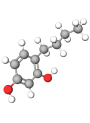
I previously experienced irritation from Activated Resorcinol, which decreased when I lowered the concentration to 0.5%. I plan to adjust the formula and switch to Sym-White at 0.25% because I understand it is gentler.
Here is my proposed formula:
Water Phase (A)
- Water 60.65%
- Disodium EDTA 0.2%
- Sea Kelp 2%
- Ume Extract 2%
- Safe-B3 2%
- GlucoBright 4%
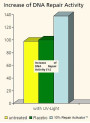
- Repair Activator 10%
- Pro Polymer 0.8%
Oil Phase (B)
- MSH White 4%
- Olive CLEAR 5%
Alpha Bisabolol 1%
Centella Asiatica Extract 2%
- Pterostilbene 3%
- ODA-White Plus™ 2%
Sym-White™ 0.25%
Mild Preserved Eco™ 1%
I have a few questions regarding this formula, assuming I will use it within 1-1.5 months:
- Do I need to adjust the pH of the formula? If so, at which step?
- Will the formula be sticky and difficult to absorb? (Compared to Vitamin C E Ferulic Kit, which has a good viscosity). If so, which ingredient should I reduce, and should I use pentylene glycol to help, and at what percentage?
- How does the effectiveness of Fucus Vesiculosus Extract compare to Lactobacillus/kelp ferment filtrate?
- Does the team plan to sell Hydrolyzed prunus domestica, liquid Astaxanthin, L-carnosine, Coix lacryma-jobi, or similar Chinese/Korean herbal extracts in the future?
Answer
Subject: Formula Review for Even Skin Tone and Anti-Glycation
Thank you for submitting your formula for review. Based on your skin type (combination, dehydrated, sensitive, sun-damaged, uneven tone) and your previous experience with Activated Resorcinol, here is the feedback regarding your proposed formula and questions:
Regarding the switch from Activated Resorcinol to Sym-White:
The staff advises that since Activated Resorcinol and Sym-White belong to the same chemical group with similar structures, there is a high chance of experiencing sensitivity again, even though Sym-White is generally less irritating. Allergy is different from irritation, and if you are allergic to this group of substances, you may react to other members of the group as well.
Regarding the Proposed Formula:
The staff reviewed your ingredient list:
- Water Phase (A): Water (60.65%), Disodium EDTA (0.2%), Sea Kelp (2%), Ume Extract (2%), Safe-B3 (2%), GlucoBright (4%), Repair Activator (10%), Pro Polymer (0.8%)
- Oil Phase (B): MSH White (4%), Olive CLEAR (5%), Alpha Bisabolol (1%)
- Other: Centella Asiatica Extract (2%), Pterostilbene (3%), ODA-White Plus™ (2%), Sym-White™ (0.25%), Mild Preserved Eco™ (1%)
The total percentage seems to be around 100% (60.65 + 0.2 + 2 + 2 + 2 + 4 + 10 + 0.8 + 4 + 5 + 1 + 2 + 3 + 2 + 0.25 + 1 = 100.9%). There might be a slight rounding difference, which is acceptable.
The staff recommends reconsidering the use of 5% Olive CLEAR for combination skin, as it might make oily areas even oilier. For addressing dehydration, they suggest using MOIST24 (5%) in the water phase instead.
Additionally, using Pro Polymer as the thickener/emulsifier may not be suitable for emulsifying a significant oil phase like 5% Olive CLEAR. Pro Polymer is not designed to emulsify oils directly and could lead to separation. If you wish to keep the oil phase, the staff suggests using an emulsifier like Light Cream Maker or Satin Cream Maker instead of Pro Polymer to ensure proper emulsification.
Answers to Your Questions:
- pH Adjustment: The staff believes the formula will have a neutral pH and does not require adjustment, especially since you plan to use it within 1-1.5 months.
- Stickiness/Absorption: The staff thinks that removing Olive CLEAR would prevent the formula from being sticky. While Olive CLEAR is a light oil, its presence, combined with other oil-like ingredients (MSH White, Alpha Bisabolol), might contribute to a sticky feel, particularly for combination skin. Pentylene glycol was not specifically mentioned by the staff in relation to reducing stickiness in this context; the focus was on the oil phase.
- Sea Kelp Extracts: The staff considers Fucus Vesiculosus Extract and Lactobacillus/kelp ferment filtrate to be very similar. However, Fucus Vesiculosus Extract is preferred because it has a defined assay for Fucoidan, its active compound, providing more clarity on its potency.
- Future Ingredients:
- Astaxanthin (liquid): The staff is still testing different suppliers to find a suitable form for cosmetic use but has no immediate plans to stock it.
- L-Carnosine: The staff has tested it and reviewed studies but found insufficient evidence of its effectiveness for skin benefits and has no plans to stock it.
- Hydrolyzed prunus domestica, Coix lacryma-jobi, Chinese/Korean herbal extracts: There are no current plans to stock these ingredients.
We hope this feedback is helpful for adjusting your formula!
Related Products Mentioned
Safe-B3™ (Vitamin B3, Niacinamide)

Sea Kelp Extract

Natural Bisabolol (Brazil Chamomile)
GlucoBright™ (Acetyl Glucosamine)
Light Cream Maker™
Disodium EDTA
Pro Polymer™ (Gel Maker)

Satin Cream Maker™

Purified Water, TDS Limit 1PPM)

MSH White Absorb™

Blueberry Pterostilbene
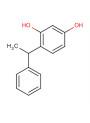

ODA-White Plus™
Olive CLEAR (Hydrogenated Olive Oil)
Mild Preserved Eco™ (Preservative-Free)
MOIST24