Formula Review: High Concentration Whitening Emulsion
Question
I would like to request advice and ask the team to review my formula to see if it is suitable or if any ingredients need to be added or reduced. Thank you.
Here is the formula:
- DI Water: 64.3%
- mineral oil: 4%
- Gluco Bright: 4%
- Niacinamide: 4%
- Tranexamic Acid: 3%
- 4MSK: 3%
- Phospholipid: 3%
- MSH White: 2%
- Cyclopentasiloxane: 2%
- polyGlycerin 10: 2%
- LC Cream Maker: 2%
- silisove plus: 1%
- Z-White: 1%
- ethyl Panthenol: 1%
- Dipotassium Glycyrrhizate: 1%
- Active Protec ox: 1%
- phenoxyethenol: 1%
- Allantoin: 0.5%
- Pro Polymer: 0.2%
If the formula is approved, I plan to proceed with production. Thank you to the lovely team.
Answer
Formula Review and Suggestions
Thank you for submitting your formula for review. This formula incorporates a high concentration of multiple potent whitening ingredients, which has the potential to effectively address skin brightening and dark spots. It also includes soothing and moisturizing components to help balance the high active load.
Here are some points and suggestions for your consideration:
High Concentration of Whitening Actives
The formula contains a significant total percentage of whitening ingredients, including Gluco Bright (Acetyl Glucosamine), Niacinamide, Tranexamic Acid, 4MSK, and MSH White. While this combination can be very effective, the high overall concentration (around 17% excluding Zinc Glycinate) increases the risk of skin irritation, especially for individuals with sensitive skin. It is highly recommended to perform patch testing on a small area of skin before applying the product widely.
Consider if such high levels are necessary for your target audience. For example, the synergistic effect of Gluco Bright and Niacinamide is often achieved at lower combined concentrations (e.g., 4% Gluco Bright with 2-4% Niacinamide).
Emulsification and Texture
The formula uses a combination of emulsifiers (LC Cream Maker, Phospholipid, SiliSolve Plus) and a thickener (Pro Polymer). This can be complex to stabilize.
- LC Cream Maker is an O/W emulsifier designed to create a liquid crystal structure and works well with gel makers like Pro Polymer.
- SiliSolve Plus is primarily a W/O or W/O/Silicone emulsifier. Its role at 1% in an O/W dominant formula needs careful evaluation for compatibility and impact on emulsion stability.
- Phospholipid (Hydrogenated Lecithin) is noted for encapsulation and is dispersed in oil. Its function as an emulsifier here alongside LC Cream Maker requires careful formulation and stability testing.
- Pro Polymer is a water-phase thickener. At 0.2%, it is a low concentration, and its thickening power can be significantly reduced by electrolytes present in the formula (such as 4MSK, Dipotassium Glycyrrhizate, and Active Protec OX). You may need to increase the concentration of Pro Polymer (potentially to 0.8% or higher, depending on desired texture and electrolyte load) or use an electrolyte-tolerant alternative to achieve sufficient viscosity and stability.
Thorough stability testing (including heat/cold cycles) is crucial to ensure the emulsion remains stable over time.
Ingredient Specifics and Compatibility
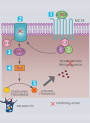
- MSH White requires dissolving in the oil phase with heat (around 80°C) before emulsification. Ensure this step is followed correctly.
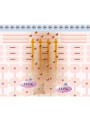
- Tranexamic Acid and 4MSK are water-soluble actives with specific pH ranges for optimal stability and efficacy. The final pH of your formula should be checked and adjusted to be within the recommended range (pH 3-8 for Tranexamic Acid, water soluble for 4MSK; generally aiming for skin-compatible pH 4-6 is advisable, but check specific raw material data).
- Active Protec OX is a good addition to help prevent oxidation and discoloration of certain actives, including Dipotassium Glycyrrhizate. Note that it is an electrolyte and works best at pH > 4.
- Dipotassium Glycyrrhizate is an electrolyte and may slightly reduce the viscosity of the formula.
Other Ingredients
- Mineral Oil provides a rich, occlusive feel. If a lighter texture is desired, consider using lighter emollients.
- Cyclopentasiloxane provides a smooth, dry feel. Be aware of potential regulatory restrictions on Cyclopentasiloxane in some regions if you plan to export.
- Panthenol, Allantoin, and Dipotassium Glycyrrhizate are excellent additions for their soothing and moisturizing properties, which are beneficial in a formula with high levels of actives.
- Z-White (Zinc Glycinate) is typically known for soothing and potentially sebum control properties. While not a primary whitening agent, it could contribute to calming the skin. We also found GlyciWhite (Glycinamide HCL) in our search, which is noted as a whitening agent.
Preservation
Phenoxyethanol at 1% is a common preservative level, but its efficacy, especially against fungi, depends on the overall formula composition and pH. A challenge test is essential to confirm that the preservation system is effective for your specific product.
Conclusion
This formula is a powerful blend of whitening ingredients. The main areas to focus on are managing the potential for irritation from the high active load and ensuring the stability of the complex emulsion system, particularly considering the emulsifier combination and the effect of electrolytes on the thickener. Careful formulation, pH adjustment, and comprehensive stability and challenge testing are highly recommended before proceeding to production.
We hope this review is helpful! Please feel free to ask if you have further questions or would like to discuss potential adjustments.
Related Products Mentioned

Safe-B3™ (Vitamin B3, Niacinamide)

Allantoin
GlucoBright™ (Acetyl Glucosamine)
Phenoxyethanol (Extra Pure)
Pro Polymer™ (Gel Maker)
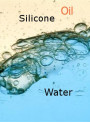
SiliSolve Plus™
MSH White™ (Undecylenoyl phenylalanine)
Tranexamic Acid (Trans-White™)
4MSK (Potassium Methoxysalicylate)

X-Glycerin (Polyglycerin-10)
ActiveProtec™ OX