Formula Review: Melasma Spot Corrector Cream
Question
I have developed a formula for a Melasma Spot Corrector based on previous advice. My skin type is normal to dry, and the previous formula helped with overall brightness, firmness, and collagen. I want to target stubborn melasma with this new formula.
Here is the proposed formula:
- Water Phase:
- Tranexamic Acid 3%
- Soy Extract 2%
- Niacinamide (B3) 5%
- N-Acetyl-D Glucosamine (NAG) 3%
- Panthenol (B5) 5%
- Beta Glucan 5%
- Phenoxyethanol 1%
- Oil Phase:
- Activated Resorcinol 1%
- Bisabolol 1%
- LipidSoft 5%
- Light Cream Maker 2%
- Added Last:
- Azelaic Acid 10%
Could you please review this formula and answer the following questions:
- What kind of texture will this formula result in (gel or cream)?
- Is it necessary to add EDTA if I am using distilled water?
- Should I add any other whitening agents to this formula?
Answer
Formula Review: Melasma Spot Corrector
Thank you for sharing your updated formula and your feedback on the previous one. It's great to hear that your skin has improved in terms of brightness, firmness, and collagen production with the previous formula. Focusing on a dedicated spot corrector for melasma is a good approach for targeting stubborn pigmentation.
Let's review your proposed formula for the melasma spot corrector:
Proposed Formula Ingredients:
- Water Phase:
- Tranexamic Acid 3%
- Soy Extract 2%
- Niacinamide (B3) 5%
- N-Acetyl-D Glucosamine (NAG) 3%
- Panthenol (B5) 5%
- Beta Glucan 5%
- Phenoxyethanol 1%
- Oil Phase:
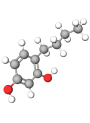
- Activated Resorcinol 1%
- Bisabolol 1%
- LipidSoft 5%
- Light Cream Maker 2%
- Added Last:
- Azelaic Acid 10%
Review of the Formula:
This formula incorporates a powerful combination of ingredients known for their efficacy in targeting hyperpigmentation and melasma. The concentrations of key actives like Tranexamic Acid (3%), Niacinamide (5%), Activated Resorcinol (1%), and Azelaic Acid (10%) are at effective levels suitable for a spot treatment. These ingredients work through different mechanisms to inhibit melanin production and help fade existing dark spots.
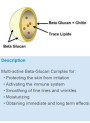
The inclusion of Panthenol (B5), Beta Glucan, and Bisabolol is beneficial for your normal to dry skin type and helps to soothe the skin, reduce potential irritation from the high concentration of actives, and provide moisture.
Addressing Your Questions:
Texture (Gel or Cream): Based on the ingredients, particularly the presence of Light Cream Maker and LipidSoft, this formula will result in a cream texture. Light Cream Maker is an emulsifier designed to create oil-in-water creams, and LipidSoft is an emollient (oil-like ingredient) that contributes to the oil phase.
EDTA vs. Distilled Water: While using distilled water is excellent practice to minimize mineral content, EDTA (Disodium EDTA) plays a specific role in chelating metal ions that can cause discoloration and instability in certain ingredients, notably Activated Resorcinol. Even with distilled water, adding 0.1-0.2% Disodium EDTA is highly recommended to ensure the long-term stability and prevent color change of the Activated Resorcinol in your formula.
Adding More Whitening Agents: As the staff previously advised, it is not recommended to add more whitening agents to this formula. You already have a potent blend of actives at significant concentrations. Adding more could increase the risk of skin irritation or sensitivity without necessarily improving efficacy. The current combination is comprehensive for targeting melasma.
Overall Assessment:
Your proposed formula is a robust and well-designed Spot Corrector for melasma. It combines multiple effective whitening ingredients with soothing and moisturizing components, making it suitable for targeting stubborn spots on normal to dry skin. Paying attention to the mixing instructions for each ingredient, especially Activated Resorcinol and Azelaic Acid, and considering the addition of Disodium EDTA for stability will help you create an effective product.
We hope this review is helpful!
Related Products Mentioned
Safe-B3™ (Vitamin B3, Niacinamide)
Natural Bisabolol (Brazil Chamomile)
GlucoBright™ (Acetyl Glucosamine)
Light Cream Maker™
Phenoxyethanol (Extra Pure)
Disodium EDTA