Formula Review: Mineral Forms, AHAs, and L-Carnitine Interaction
Question
I would like to have my formula reviewed before proceeding with manufacturing. My formula consists of:
- Calcium Gluconate 1%
- Manganese Gluconate 0.5%
- Magnesium Gluconate 0.5% or Magnesium Aspartate 0.5%
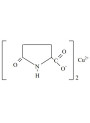
- Copper Gluconate 0.05% or Copper PCA 1%
- Zinc Gluconate 0.5% or Zinc PCA 1%
- Sodium PCA 4%
- Niacinamide 10%
- NAT-RIBOSE 3%
- Creatine 0.5%
- Pure-Adenosine™ 1%
- L-Carnitine 5%
- Mild Preserved Eco™ 1%
- Xanthan Gum 1%
- WaterSoft™ 5%
- Water to 100%
For items 3, 4, and 5, I need to know the effectiveness of both options in terms of increasing skin oxygenation and skin absorption compared to Mineral Ready™. Please provide your opinion and information.
Based on the formula, I expect the pH to be quite high. If I add Glycolic Acid or Lactic Acid at 1-2%, will it affect the mineral group? I understand these acids are Chelating Agents.
Also, is L-Carnitine, being an amino acid, also a Chelating Agent?
Thank you for your assistance.
Answer
Formula Review and Ingredient Analysis
Thank you for sharing your cosmetic formula for review. It contains a potent mix of active ingredients. Let's address your specific questions regarding ingredient choices and potential interactions.
Your formula includes:
- Calcium Gluconate 1%
- Manganese Gluconate 0.5%
- Magnesium Gluconate 0.5% or Magnesium Aspartate 0.5%
- Copper Gluconate 0.05% or Copper PCA 1%
- Zinc Gluconate 0.5% or Zinc PCA 1%
- Sodium PCA 4%
- Niacinamide (Safe-B3™) 10%
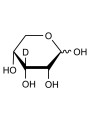
- NAT-RIBOSE™ 3%
- Creatine 0.5%
- Pure-Adenosine™ 1%
- L-Carnitine 5%
- Mild Preserved Eco™ 1%
- Xanthan Gum 1%
- WaterSoft™ 5%
- Water to 100%
Ingredient Comparisons: Gluconate/Aspartate vs. PCA vs. Mineral Ready™
Based on the product descriptions:
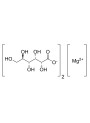
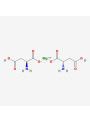
- Magnesium: Both Magnesium Gluconate and Magnesium Aspartate provide magnesium and are water-soluble electrolytes suitable for skin absorption. Their individual descriptions do not highlight differences in oxygenation or absorption.
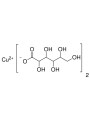
- Copper: Copper Gluconate provides copper. Copper PCA is noted for reducing oily skin and wrinkles and is described as more effective than Copper Gluconate for reducing oiliness.
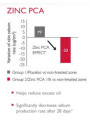
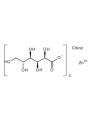
- Zinc: Zinc Gluconate provides zinc and helps reduce oiliness and tighten pores. Zinc PCA is described as more effective than Zinc Gluconate for reducing oiliness, acne, and promoting healing, and also stimulates collagen.
Comparison to Mineral Ready™: Mineral Ready™ is a blend of Magnesium Aspartate, Zinc Gluconate, and Copper Gluconate. Clinical data for Mineral Ready™ shows it increases skin oxygenation and cellular energy (ATP), improving roughness and wrinkles.
- Choose Mineral Ready™ if your primary goal is the clinically demonstrated oxygenation and cellular energy boost.
- Choose individual PCA forms (Copper PCA, Zinc PCA) if targeted benefits like superior oil control, acne support, and collagen stimulation are more critical, as their descriptions indicate higher efficacy for these specific actions compared to their Gluconate counterparts. Magnesium Gluconate and Aspartate appear functionally similar.
Effect of Adding Glycolic Acid or Lactic Acid
Adding Glycolic Acid or Lactic Acid (AHAs) will significantly lower your formula's pH. AHAs are acids and can act as chelating agents, binding to metal ions like the minerals (Calcium, Manganese, Magnesium, Copper, Zinc) in your formula.
- Lowering the pH is beneficial for the efficacy of AHAs and optimal for ingredients like Pure-Adenosine™, NAT-RIBOSE™, and PCA minerals.
- However, the chelation of mineral ions by AHAs can potentially reduce the minerals' availability and effectiveness in the skin. It could also impact formula stability (e.g., with Xanthan Gum) and appearance.
Combining a high concentration of minerals with AHAs can be challenging. If mineral benefits are a priority, adding AHAs might counteract them. Consider using AHAs in a separate product or carefully adjusting concentrations and pH if you choose to combine them.
L-Carnitine as a Chelating Agent
L-Carnitine is an amino acid. Amino acids can sometimes act as chelating agents due to their chemical structure. While L-Carnitine may have some minor chelating potential, it is not its primary function and is generally not considered a strong chelator like AHAs or EDTA. Its potential chelating effect is less likely to be a significant concern for mineral stability compared to the addition of Glycolic or Lactic Acid.
Additional Considerations
- Ensure the final pH of your formula is suitable for all active ingredients, especially L-Carnitine (optimal pH 3.5-8, needs adjustment from its inherent high pH), Pure-Adenosine™ (pH 3.5-6.5), NAT-RIBOSE™ (pH 3.5-6.5), and PCA minerals (pH 4-6).
- Confirm your Xanthan Gum is compatible with the electrolytes from the mineral salts.
- Always perform stability testing on your final formula.
Related Products Mentioned
Safe-B3™ (Vitamin B3, Niacinamide)
Sodium PCA 50%
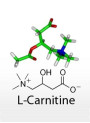
L-Carnitine (Carnitine)

Zinc PCA
Glycopure™ (Glycolic Acid (AHA) Powder)
NAT-RIBOSE™
Creatine 100
Mild Preserved Eco™ (Preservative-Free)

WaterSoft™ (PEG/PPG-17/6 copolymer)
Pure-Adenosine™
Calcium Gluconate
Manganese Gluconate
Magnesium Gluconate (5.8% Magnesium)
Zinc Gluconate
Copper Gluconate
Magnesium Aspartate
Mineral Ready™ (Mn+Zn+Cu)
Lactic Acid (AHA) 90%