Formula Suitability for Seborrheic Dermatitis with Added Ingredients
Question
I have seborrheic dermatitis with dryness, peeling, and oiliness. I have modified my formula by adding MSM, Zinc PCA, and Licorice Extract, and replacing Ectoin with Beta Glucan. Is this formula suitable for my skin condition, especially concerning oiliness? Here is the formula:
- Sea Kelp Extract (10%)
- Beta Glucan Liquid (10%)
- Vitamin B3 (Niacinamide) (4%)
- Glucosamine (4%)
- Methylsulfonylmethane (MSM) (3%)
- Zinc PCA (1%)
- Licorice Extract (1%)
- Phenoxyethanol (1%)
- Hyaluronic Acid (Standard Molecule) (0.5%)
- Allantoin (0.3%)
Answer
Formula Suitability for Seborrheic Dermatitis
Based on the formula you provided and the previous discussion regarding your skin condition (seborrheic dermatitis with dryness, peeling, and oiliness), the modified formula with the inclusion of Methylsulfonylmethane (MSM), Zinc PCA, and Licorice Extract is generally suitable and addresses your concern about oiliness.
Here's a breakdown of the ingredients and their suitability:
- Sea Kelp Extract (10%): While moisturizing and beneficial for sensitive skin, the previous advice to reduce or remove this ingredient is appropriate if you find the formula too oily. It provides hydration but might be excessive for oily areas.
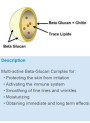
- Beta Glucan Liquid (10%): This is an excellent ingredient for strengthening the skin barrier, reducing irritation, and soothing sensitive skin, which is highly beneficial for seborrheic dermatitis. The concentration is within the effective range.
- Vitamin B3 (Niacinamide) (4%): Known for its multiple benefits, including reducing oiliness, strengthening the skin barrier, reducing redness, and anti-inflammatory properties. This concentration is effective and suitable.
- Glucosamine (4%): Helps improve skin hydration, can gently exfoliate, and may help reduce acne breakouts. It works well with Vitamin B3.
- Methylsulfonylmethane (MSM) (3%): A good addition for oil control and its anti-inflammatory properties. The concentration is suitable for oil reduction.
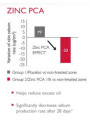
- Zinc PCA (1%): Effective for reducing oiliness, controlling acne, and promoting wound healing. This concentration is appropriate for addressing oily skin and potential breakouts associated with seborrheic dermatitis.
- Licorice Extract (1%): Provides anti-inflammatory benefits and helps control oil production. The concentration is suitable for these purposes.
- Phenoxyethanol (1%): A standard and generally safe preservative to keep the formula stable and free from microbial growth.
- Hyaluronic Acid (Standard Molecule) (0.5%): Provides hydration to the outer layer of the skin. While beneficial for dryness, combined with other moisturizers like Sea Kelp, it could contribute to oiliness if not balanced.
- Allantoin (0.3%): A well-known soothing and anti-irritant ingredient that helps reduce redness and promotes skin healing, very suitable for irritated skin.
The ingredients you added (MSM, Zinc PCA, and Licorice Extract) are indeed beneficial for controlling oil and reducing inflammation, which aligns with managing seborrheic dermatitis symptoms, especially the oiliness you experienced. Replacing Ectoin with Beta Glucan is also reasonable, as Beta Glucan offers similar soothing and skin-strengthening benefits.
Following the previous suggestion to reduce or remove Sea Kelp Extract would likely help in managing the oiliness further while retaining sufficient hydration from Hyaluronic Acid and the other beneficial ingredients. The combination of Beta Glucan, Vitamin B3, MSM, Zinc PCA, Licorice Extract, and Allantoin provides a good profile for soothing irritation, strengthening the barrier, and controlling oil, which are key aspects of managing seborrheic dermatitis.
Related Products Mentioned

Safe-B3™ (Vitamin B3, Niacinamide)

Allantoin

Sea Kelp Extract
GlucoBright™ (Acetyl Glucosamine)
Phenoxyethanol (Extra Pure)

Pure MSM™ (Methylsulfonylmethane)
Zinc PCA