Formulating 15% Vitamin C Serum (L-Ascorbic Acid)
Asked by: chinshin9195
On: March 17, 2019
Product Type:
Cosmetics
Answered
Question
I want to make a 15% Vitamin C serum using the following ingredients:
- Vitamin C Ultra fine
- Vitamin E
- Phenoxyethanol
- Ethyleneglycol
- Buthylene glycol
- Purified Water
Could you please provide the recommended percentages for each ingredient and the step-by-step procedure for dissolving and mixing them?
Answer
Vitamin C 15% Serum Formulation
Here is a suggested formulation and mixing procedure for a 15% Vitamin C serum using the ingredients you listed.
Important Considerations:
- L-ascorbic acid is highly unstable, especially in water-based formulas and at higher pH levels. Achieving a stable 15% L-ascorbic acid serum typically requires a low pH (around 3.0-3.5), which can cause skin irritation. The FDA recommends cosmetic products applied to the skin have a pH of at least 3.5. Adjusting the pH to 3.5 or higher will improve skin compatibility but reduce the stability of the Vitamin C.
- Vitamin E (Tocopheryl Acetate) is oil-soluble and may not fully dissolve or integrate smoothly into this water-based formula without an emulsifier.
Suggested Formula:
- Vitamin C (L-ascorbic acid) Ultra-Fine: 15%
- Vitamin E (Tocopheryl Acetate): 0.5%
- Phenoxyethanol: 1.0%
- Butylene Glycol: 10.0%
- Purified Water: 73.5%
- pH Adjuster: (Not listed in your ingredients, but essential for stability/compatibility. You would need a dilute acid like Ferulic Acid solution to lower pH for stability, or a dilute base like Sodium Hydroxide solution to raise pH for skin compatibility if needed after mixing).
Mixing Procedure:
- Weigh the Purified Water and Butylene Glycol into a clean container.
- In a separate container, weigh the Vitamin C (L-ascorbic acid) Ultra-Fine powder.
- Add a small amount of the water/Butylene Glycol mixture to the Vitamin C powder and stir to help it dissolve.
- Add the remaining water/Butylene Glycol mixture to the Vitamin C solution and stir until the Vitamin C is as dissolved as possible.
- Add the Phenoxyethanol and stir to combine.
- Add the Vitamin E (Tocopheryl Acetate) and stir to disperse. Note that it is oil-soluble and may not fully dissolve.
- Crucial Step: Check and Adjust pH. Measure the pH of the serum using a pH meter or pH strips. For optimal stability of L-ascorbic acid, the pH should ideally be between 3.0 and 3.5. However, a pH this low can be irritating to the skin. The FDA recommends a pH of at least 3.5 for leave-on skin products. You may need to adjust the pH. If the pH is too low (below 3.0), you can carefully add a very dilute solution of a base (like Sodium Hydroxide) drop by drop while stirring and re-measuring the pH until it is at least 3.5. Be aware that raising the pH will decrease the stability of the Vitamin C. If you are aiming for maximum stability and the pH is above 3.5, you would typically add a dilute acid (like a Ferulic Acid solution), but this was not in your listed ingredients and will increase irritation risk while potentially going below the FDA recommended minimum pH. Given your ingredients, aiming for a pH of at least 3.5 is recommended for skin compatibility, accepting the reduced stability of the Vitamin C.
- Mix thoroughly after any pH adjustment.
- Pour the serum into an airtight, opaque bottle to protect it from light and air.
- Store the serum in a cool place, ideally the refrigerator, to help slow down the oxidation of Vitamin C and extend its shelf life.
This formulation provides a starting point, but due to the inherent instability of L-ascorbic acid and the ingredients provided, the serum may still oxidize over time.
Related Products Mentioned
Vitamin E (Tocopheryl Acetate)
Cosmetics
Vitamin C (L-ascorbic acid) (Ultra-Fine)
Cosmetics
Phenoxyethanol (Extra Pure)
Cosmetics
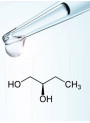
Butylene Glycol
Cosmetics

Purified Water, TDS Limit 1PPM)
Cosmetics