Formulating a Body Wash & Scrub for Exfoliation and Scar Reduction
Question
I am trying to formulate a body wash and scrub product aimed at exfoliating skin and reducing dark mosquito bite scars. I have selected the following ingredients:
- Cocamidopropyl Betaine
- Cocamidopropyl Hydroxysultaine
- Apricot Scrub
- Papain
- Protease
- Sodium Lactate
- Urea
- Sodium PCA
- PE1-Aqua
- Aloe Vera Extract
- Grape Seed Extract
- NaturePreserve™
Based on this formulation and my goal, I have the following questions:
- How should I calculate the ingredient percentages (by weight or volume)?
- Will the active ingredients like enzymes, Sodium Lactate, Urea, Sodium PCA, and extracts be effective in a wash-off product like a body wash/scrub, or will they be rinsed away before they can work?
- Are there any compatibility or stability issues with these ingredients, especially considering the enzymes, Urea, and the preservative (NaturePreserve™) which may require different pH ranges?
- Is PE1-Aqua suitable for this water-based formula, and will it enhance penetration in a wash-off product?
- Is it feasible for a beginner to make this complex formula effectively and safely at home, or should I consider alternatives like separating the formula into a wash-off and a leave-on product, or having it professionally manufactured?
Answer
Hello! I understand you want to create a body wash and scrub product to help exfoliate and reduce dark mosquito bite scars, and you have selected various ingredients based on your research. It's great that you've studied and tried to choose ingredients yourself!
As the staff has already advised, there are two important points to consider:
Ingredient Calculation: Cosmetic formulations must be calculated by weight (grams), not volume (ml). This is because each ingredient has a different density, and using volume will lead to inaccurate proportions of ingredients in the formula.
Effectiveness of Wash-Off Products: Many of the ingredients you've chosen, such as enzymes (Papain, Protease), Sodium Lactate, Urea, Sodium PCA, various extracts (Aloe Vera, Grape Seed Extract), and the penetration enhancer (PE1-Aqua), work best and show clear results when they have time to penetrate or act on the skin. Wash-off products like body washes or scrubs have very short contact time with the skin, causing these active ingredients to be rinsed away before they can work effectively, especially for the goal of reducing dark spots, which requires continuous exfoliation and skin nourishment.
Considering the Ingredients in Your Formula:
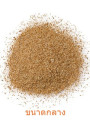
- Surfactants (Cocamidopropyl Betaine, Cocamidopropyl Hydroxysultaine) and Scrub Beads (Apricot Scrub): These ingredients are suitable for a wash-off cleansing and exfoliating product.
- Enzymes (Papain, Protease): Enzymes help exfoliate the skin effectively but are sensitive to environmental conditions like heat and pH, and their effectiveness gradually decreases when dissolved in water. Including them in a liquid body wash might lead to a rapid loss of enzyme activity over time. Furthermore, each enzyme and the preservative (NaturePreserve™) have different optimal pH ranges for activity. Finding a pH balance suitable for all ingredients in a single formula can be challenging.
- Humectants (Sodium Lactate, Urea, Sodium PCA): These are important components of the Natural Moisturizing Factor (NMF) and help moisturize the skin. Urea and Sodium Lactate also have exfoliating properties. However, to achieve their full moisturizing and exfoliating benefits, these ingredients should be in a product that stays on the skin longer than a wash-off product. Urea may also have stability issues and pH changes when stored in warm conditions.
- Penetration Enhancer (PE1-Aqua): PE1-Aqua is a penetration enhancer for water-soluble ingredients, but the usage instructions indicate mixing in the oil phase, which your formula primarily lacks. The effectiveness of a penetration enhancer in a wash-off product is also likely limited.
- Extracts (Aloe Vera Extract, Grape Seed Extract): These are beneficial extracts for soothing, moisturizing, and providing antioxidant benefits, but they also require contact time for maximum effect.
- Preservative (NaturePreserve™): Essential for water-based formulas to prevent microbial growth, but it must be used within a suitable pH range (NaturePreserve™ Ultra works well at pH 3-6), which might conflict with the optimal pH for the enzymes.
Recommendations:
I agree with the staff's recommendation that separating the product into two types will help the active ingredients work more effectively.
- Body Wash and Scrub (Wash-off): Focus on cleansing ingredients (Surfactants) and scrub beads (Apricot Scrub). You can add a small amount of humectants (like Sodium PCA or Sodium Lactate at a level suitable for a wash-off product) and soothing extracts (like Aloe Vera Extract) to prevent the skin from feeling dry after washing.
- Skin Treatment Product for Dark Spots (Leave-on): Formulate this as a lotion, cream, or serum that contains ingredients to help exfoliate and reduce dark spots, such as Urea, Sodium Lactate, Sodium PCA, enzymes (if using enzymes, carefully consider formula stability and pH, or choose other exfoliants more suitable for leave-on products) and various extracts (Aloe Vera Extract, Grape Seed Extract), as well as a penetration enhancer suitable for a leave-on product. This will allow the active ingredients sufficient time to work on the skin.
Making the Product Yourself:
Making a basic wash and scrub product might not be overly complex if the ingredients are compatible. However, the formula you proposed is more complex due to ingredients requiring specific conditions (like enzymes and preservatives working at different pH levels) and some ingredients (Urea) having stability considerations. Making this specific formula effectively and safely for long-term use might be challenging for a beginner.
Separating into two simpler formulas might make it easier to make them yourself. However, making cosmetics at home requires basic knowledge of safety, hygiene, and accurate measurement (using weight). If you want to make complex formulas or need confidence in the quality and safety, having a professional or laboratory produce it for you is another option.
I hope this information is helpful!
Related Products Mentioned
Sodium Lactate (60% Liquid, Natural)
Urea (High Purity, Cosmetics, Powder)
Sodium PCA 50%
Cocamidopropyl Betaine

Apricot Scrub (250-425micron)

PE-1 Aqua
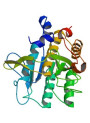
Protease Enzyme

Papaya Enzyme (Papain)