Formulating a Brightening Serum with Silicone Texture and Multiple Actives
Question
I want to formulate a brightening serum with a light, silky, powdery, silicone-based texture, similar to a product containing the following ingredients:
- Polysilicone-11
- PEG-6
- Fragrance components (Citronellol, Geraniol, Benzyl Benzoate, Eugenol)
- Cholesterol
- Hydroxyethyl Acrylate/Sodium Acryloyldimethyl Taurate Copolymer
- Dimethoxytolyl Propylresorcinol
- Caprylyl Glycol
- Dipotassium Glycyrrhizate
- Glycyrrhetinic Acid
- Di-C12-18 Alkyl Dimonium Chloride
- Tromethamine
- Sodium Hydroxide
- Polysorbate 60
- Ammonium Acryloyldimethyltaurate/VP Copolymer
- Hexylene Glycol
I also plan to add AA2G, Alpha Arbutin, Salicylic Acid, BB Micro Silk™, Titanium Dioxide, and Mica into the formula. How can I achieve the desired texture and stability, especially considering the compatibility and conflicting optimal pH ranges of AA2G (pH 6.5-6.8), Alpha Arbutin (pH 3.5-6.5), and Salicylic Acid (pH 3-4)? What is the recommended formulation process, particularly regarding the silicone and oil phases, and the addition of powders and actives?
Answer
Formulation Guidance for Brightening Serum
Understanding Key Ingredients
You inquired about several ingredients in the original formula. Here are their primary roles:
- Polysilicone-11: Provides a silky, powdery skin feel and helps with texture.
- PEG-6: A humectant and solvent, adding hydration and slip.
- Citronellol, Geraniol, Benzyl Benzoate, Eugenol: These are fragrance components.
- Cholesterol: An emollient that supports the skin barrier.
- Hydroxyethyl Acrylate/Sodium Acryloyldimethyl Taurate Copolymer: A thickener and stabilizer, contributing to texture (similar to Satin Mousse™).
- Dimethoxytolyl Propylresorcinol: A skin-lightening active.
- Caprylyl Glycol: A humectant, emollient, and preservative booster.
- Dipotassium Glycyrrhizate & Glycyrrhetinic Acid: Soothing agents from licorice.
- Di-C12-18 Alkyl Dimonium Chloride: Can act as a conditioner or emulsifier.
- Tromethamine & Sodium Hydroxide: Used for pH adjustment.
- Polysorbate 60: An emulsifier.
- Ammonium Acryloyldimethyltaurate/VP Copolymer: Another polymer thickener/stabilizer.
- Hexylene Glycol: A solvent and humectant.
Achieving Desired Skin Feel
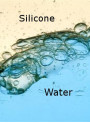
To replicate the light, silicone-based feel, focus on using SiliSolve Plus™ (recommended for formulas with oil and silicone phases) or SiliSolve™ (for water-in-silicone with minimal oil) along with your chosen silicones (Dimethicone, Isododecane, Cyclopentasiloxane). Experiment with the ratios of these components to achieve the desired texture and slip.
Ingredients to Consider Adjusting or Omitting
The essential oils and many plant extracts in the original formula are primarily for scent and marketing claims. You can adjust or omit these based on your preference. Dimethoxytolyl Propylresorcinol is a potent active but can be irritating; you might adjust its concentration or omit it if relying on other whitening agents like AA2G and Alpha Arbutin.
Formulation Process and Recommendations
Your proposed phase separation is a good approach. Follow this general mixing technique:
- Combine your Silicone phase ingredients (SiliSolve Plus™ or SiliSolve™, Dimethicone, Isododecane, Cyclopentasiloxane).
- Combine your Oil phase ingredients (Butylene Glycol, Squalane, Polysorbate 20, Tocopheryl Acetate, Lecithin, Caprylic/Capric Triglyceride, optional essential oils). Ensure Salicylic Acid is dissolved in a suitable solvent like Butylene Glycol before this step.
- Mix the combined Silicone and Oil phases thoroughly.
- Prepare your Water phase ingredients (Water, AA2G, Alpha Arbutin, other water-soluble actives and extracts). Ensure powders are fully dissolved.
- Slowly add the Water phase to the combined Silicone/Oil phase while mixing continuously and vigorously. High-shear mixing is often needed for a stable emulsion.
- Once the emulsion is formed, add the powders (BB Micro Silk™, Titanium Dioxide, Mica) and mix until evenly dispersed. For shimmer, use white or pearlescent Mica varieties.
- Add your preservative (Phenoxyethanol, Caprylyl Glycol) and adjust the pH.
Crucial pH Adjustment: This is critical for the stability and efficacy of your actives.
- AA2G is most stable at pH 6.5-6.8.
- Alpha Arbutin is most stable and effective at pH 3.5-6.5.
- Salicylic Acid is typically used at a low pH (around 3-4) for exfoliation.
Balancing these conflicting pH requirements is challenging. You will need to choose a target pH that offers the best compromise for your desired outcome, likely prioritizing the stability of your main whitening agents. Use a pH meter to accurately measure and adjust the pH with Sodium Hydroxide or other adjusters.
Recommendations:
- Start with small test batches.
- Experiment with the ratios of silicone, oil, water, and emulsifiers (SiliSolve Plus™ is recommended).
- Carefully control and monitor the pH.
- Perform stability testing on your finished product over time.
- Ensure adequate mixing to create a stable emulsion and disperse powders evenly.
By focusing on the key emulsifiers and silicones, managing the pH, and incorporating the powders for the desired visual effect, you can create a brightening serum with a light, silky texture and shimmer.
Related Products Mentioned
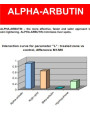
Alpha Arbutin (Switzerland)
Salicylic Acid (BHA, Pharma Grade)
BB Micro Silk™
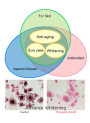
SiliSolve Plus™