Formulating a Cream with L-Ascorbic Acid: Stability and Mixing Steps
Question
I would like to create a cream formulation using the following ingredients and percentages:
- Purified Water: 51%
- Tranexamic Acid (Trans-White): 3%
- Lemon Peel Bioferment (Lemon Skin): 3%
- Ferulic Acid: 1% (dissolved in Ethoxydiglycol 8%)
- Soft Cream Maker: 5% (dissolved in Avocado Oil (Refined) 10%)
- Vitamin E (dl-alpha tocopherol): 2%
- Lemon Oil: 1%
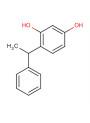
- Sym-White™ (Phenylethyl Resorcinol): 0.5%
- Vitamin C (L-ascobic acid) Ultra-Fine: 15%
- Preservative Phenoxyethanol SA (Optiphen Plus): 0.5%
Could you please provide feedback on the feasibility and stability of this formula, especially regarding the high concentration of L-ascorbic acid in a cream base? What are the recommended mixing steps for this formulation, and what potential issues (like texture or stability) should I be aware of?
Answer
Formulation Feedback and Mixing Instructions
Thank you for providing your proposed formula and questions. Based on your ingredients and the previous feedback, here's a breakdown of how to approach this formulation and the challenges involved.
The staff correctly identified the primary challenge: the stability of Vitamin C (L-ascorbic acid), especially at a high concentration like 15%, in a cream base. L-ascorbic acid is highly prone to oxidation when exposed to water, light, and air, causing it to lose effectiveness quickly. It also requires a low pH (typically 2.5-3.5) to be effective and stable, which can be difficult to achieve and maintain in a complex cream formula and may cause skin irritation.
While formulating with L-ascorbic acid in a cream is challenging, here are suggested mixing steps for your second proposed formula, keeping in mind the stability concerns:
Suggested Mixing Steps (Second Formula)
Prepare the Water Phase:
- Combine Purified Water, Tranexamic Acid, and Lemon Peel Bioferment. Stir to dissolve the powders.
- In a separate small container, dissolve Ferulic Acid in Ethoxydiglycol. Once dissolved, add this mixture to the main water phase and stir.
- Attempt to dissolve the Vitamin C (L-ascorbic acid) Ultra-Fine powder into this water phase. This will be difficult due to its low solubility in water, especially at 15%. You may need to gently warm the mixture (below 40°C) or use a magnetic stirrer if available. Note: Achieving complete dissolution and stability at 15% L-ascorbic acid in this base is the main challenge.
Prepare the Oil Phase:
- Combine Avocado Oil (Refined) and Soft Cream Maker in a heat-resistant container. Heat gently to around 70°C, stirring until the Soft Cream Maker is fully melted and dissolved in the oil.
- Remove from heat and let it cool slightly.
- Add Vitamin E (dl-alpha tocopherol) and Lemon Oil to the oil phase. Consider reducing the Vitamin E percentage to 0.5-1% to avoid stickiness.
- Add Sym-White™ (Phenylethyl Resorcinol) to the oil phase and stir until dissolved. Sym-White™ is oil-soluble and should be in the oil phase before emulsification.
Combine Phases:
- Once both the water phase and oil phase are at similar temperatures (ideally around 70°C, or follow the specific instructions for Soft Cream Maker if different), slowly pour the oil phase into the water phase while continuously stirring with a whisk or homogenizer.
- Continue mixing until a stable cream emulsion forms.
Add Preservative:
- Allow the cream to cool down to below 40°C.
- Add Phenoxyethanol SA (Optiphen Plus) and stir until evenly distributed.
Adjust pH (Critical for L-Ascorbic Acid):
- Measure the pH of the final cream. For L-ascorbic acid to be effective, the pH should ideally be in the range of 2.5 to 3.5.
- If the pH is higher, you would typically use a dilute acid solution (like Citric Acid solution) to carefully lower it. However, adjusting a cream base to such a low pH can be very difficult and may cause the emulsion to break or affect the stability of other ingredients.
L-Ascorbic Acid Solubility
As mentioned, L-ascorbic acid is not readily soluble in plain water, especially at high concentrations. In stable L-ascorbic acid serum formulations (like the Vitamin C E Ferulic type), specific solvents (like Ethoxydiglycol or Propylene Glycol) and a very low pH are used to help dissolve and stabilize it. In your cream formula, Ethoxydiglycol is used for Ferulic Acid, which might offer some help, but dissolving 15% L-ascorbic acid effectively and keeping it stable in this cream matrix is the main hurdle.
pH Range
For optimal efficacy and stability of L-ascorbic acid, the pH should be between 2.5 and 3.5. However, achieving this pH in a cream base is challenging and may lead to instability of the emulsion and potential skin irritation.
Recommended Adjustments/Considerations
- L-Ascorbic Acid Stability: The biggest concern remains the stability of 15% L-ascorbic acid in this cream format. It is highly likely to oxidize quickly. As the staff suggested, consider using a more stable Vitamin C derivative (like Ascorbyl Glucoside, Sodium Ascorbyl Phosphate, or Ethyl Ascorbic Acid) if you want a stable cream formulation with Vitamin C. These derivatives are more stable at higher pH values compatible with cream bases.
- Vitamin E Percentage: Reduce the Vitamin E (dl-alpha tocopherol) to 0.5-1% to improve the skin feel and reduce stickiness.
- Mixing Order: Ensure Sym-White™ is dissolved in the oil phase and L-ascorbic acid is attempted to be dissolved in the water phase before combining.
Given the complexity and stability issues with 15% L-ascorbic acid in a cream, especially for a first-time formulator, following a proven serum recipe (like the Vitamin C E Ferulic serum) or using a stable Vitamin C derivative in your cream base would significantly increase your chances of success and product stability.
Related Products Mentioned
Vitamin C E Ferulic

Safe-B3™ (Vitamin B3, Niacinamide)
Avocado Oil (Refined)
GlucoBright™ (Acetyl Glucosamine)
Pure-Ferulic Acid™
Vitamin C (L-ascorbic acid) (Ultra-Fine)
Vitamin E (dl-alpha tocopherol)
Ethoxydiglycol (e.q. Transcutol)
Lemon Peel Bioferment (Lemon Skin™)
Soft Cream Maker™
Purified Water, TDS Limit 1PPM)

Phenoxyethanol SA (eq. Optiphen Plus)