Formulating a Facial Cream with Multiple Actives: Compatibility and Process
Question
I want to make a facial cream using the following ingredients:
- Salicylic Acid (BHA)
- Azelaic Acid (Potassium Azeloyl Diglycinate)
- Licorice Extract
- Phenoxyethanol
- Warp Cream Maker™
- Glucosamine (N-acetyl-D)
- Vitamin B3 (Niacinamide)
- Copper Peptide (GHK-Cu, 1000ppm Solution)
- Fragrance
- Color
Could you please advise on the following:
- Is Salicylic Acid suitable for this formula, considering the other ingredients?
- Are the other ingredients compatible with each other in a cream base?
- What are the recommended usage percentages for these ingredients in a facial cream?
- What is the proper mixing procedure to create the cream, especially considering the Warp Cream Maker™ and heat-sensitive ingredients?
- How should fragrance and color be incorporated into the formula?
- What are the considerations for stability, storage, and potential for selling this type of product in the future?
Answer
How to Make a Facial Cream with Your Chosen Ingredients
Ingredient Adjustments
- Salicylic Acid (BHA): As advised by the staff, Salicylic Acid is not suitable for this formula due to its low pH, which can affect the stability and efficacy of other ingredients. It should be excluded from this formula.
- Other Ingredients: The other ingredients you've chosen, such as Azelaic Acid (Potassium Azeloyl Diglycinate), Licorice Extract, Phenoxyethanol, Warp Cream Maker™ (Light Cream Maker™ is recommended for compatibility), Glucosamine (N-acetyl-D), Vitamin B3 (Niacinamide), and Copper Peptide, can be used together in a facial cream formula. However, you must consider the appropriate pH range for each ingredient to ensure maximum stability and efficacy. The suitable pH range for most of your chosen ingredients is approximately 4.5-6.5.
Recommended Usage Rates
These recommended amounts are general starting points. You can adjust them according to your needs and desired results.
- Azelaic Acid (Potassium Azeloyl Diglycinate) (e.g., Azela-Lip™): Use about 0.1-2.0%. Helps reduce oiliness and clogged pores.
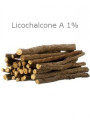
- Licorice Extract (Licochalcone A 1%, Water-Soluble): Use about 0.5-1.0%. Helps reduce inflammation and redness.
- Phenoxyethanol (e.g., Chlorphenesin / Phenoxyethanol): Use about 0.6-1.0%. Acts as a preservative.
- Light Cream Maker™: Use about 1-1.5% to create the cream texture. Adjust the amount based on the oil phase content and desired consistency.
- Glucosamine (N-acetyl-D) (e.g., GlucoBright™): Use about 1-8% (4% recommended when used with Niacinamide). Helps with skin brightening and stimulates Hyaluronic Acid production.
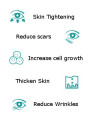
- Vitamin B3 (Niacinamide) (e.g., Extreme-B3™): Use about 1-10% (5% recommended). Helps reduce wrinkles, dark spots, strengthens the skin barrier, and controls oiliness.
- Copper Peptide (GHK-Cu, 1000ppm Solution): Use about 1-3%. Helps reduce acne scars and wrinkles.
Note: The percentage of other ingredients (like purified water, other humectants if any) will make up the remaining amount to reach 100% of the formula.
How to Make the Cream (Using Light Cream Maker™)
Light Cream Maker™ is an easy-to-use cold process emulsifier, suitable for beginners.
- Prepare the Water Phase: Weigh purified water and all water-soluble, heat-sensitive ingredients (e.g., Glucosamine, Vitamin B3, Copper Peptide, Licorice Extract) in a container. Stir or blend until dissolved.
- Prepare the Oil Phase: If your formula contains oil-based ingredients (e.g., skin oils), weigh them together in another container.
- Add Cream Maker: Add Light Cream Maker™ to the oil phase (if any) or directly to the water phase (if no oil phase). Stir or blend to disperse.
- Combine Phases: Slowly pour the water phase (Step 1) into the phase containing the Cream Maker (Step 3) while continuously stirring or blending. The cream texture will begin to form within 1-5 minutes. Continue blending or stirring for a smooth, uniform texture.
- Add Preservative and Other Sensitive Ingredients: Once a smooth cream is formed and the temperature is below 40°C, gradually add Phenoxyethanol and other ingredients that may have temperature or narrow pH limitations, such as Azelaic Acid. Stir or blend gently to incorporate.
- Adjust pH (If Necessary): Check the pH of the final cream. If it's outside the 4.5-6.5 range, adjust it using a suitable cosmetic pH adjuster.
- Add Fragrance and Color (If Desired): Add water-soluble or oil-soluble colorants according to their type, and oil-soluble fragrance (as advised by staff) at this stage. Stir or blend gently to mix.
Caution: Avoid blending at speeds exceeding 2500 RPM, as this can damage the Cream Maker's polymer structure.
Time to See Results
The time it takes to see results depends on the ingredients used and consistency of application. Generally:
- Hydration/Skin Conditioning: Results may be visible within a few days to 1-2 weeks.
- Reducing Redness/Inflammation (Licorice Extract, Azelaic Acid): May take 2-4 weeks.
- Reducing Dark Spots/Brightening (Vitamin B3, Glucosamine): May take 4-12 weeks or longer.
- Reducing Wrinkles/Scars (Copper Peptide, Vitamin B3): May take several weeks to months.
Consistent and regular use is key to achieving the best results.
Storage
- Individual Ingredients: Store according to the instructions on each ingredient's label. Some ingredients like certain types of Copper Peptide and Azelaic Acid may require refrigeration.
- Finished Cream: Store in a well-sealed container, away from direct sunlight and high heat. Normal room temperature is usually sufficient, but if you want to extend shelf life or if some ingredients require lower temperatures, storing in the refrigerator (normal compartment) is a good option. It's best to use homemade creams within a reasonable timeframe (generally around 6 months - 1 year if made properly with suitable preservatives). Challenge testing is essential if you plan to sell the product.
Using Fragrance and Color
- Fragrance: As advised by the staff, if using oil-soluble fragrance, dissolve it in the oil phase before combining with the water phase. If using water-soluble fragrance, add it in the final step along with the preservative.
- Color: You can use cosmetic-grade colorants. Check whether the colorant is water-soluble or oil-soluble and mix accordingly. You can find color options in the "Other --> สี" category on the website.
Making for Sale
If you intend to develop the formula for sale in the future, there are crucial additional considerations:
- Formula Stability: You must test the formula's stability under various temperatures and conditions.
- Preservative Efficacy (Challenge Test): It is essential to perform a Challenge Test to ensure your preservative system effectively prevents microbial growth throughout the product's shelf life.
- Regulations: Manufacturing and selling cosmetics must comply with relevant laws and regulations, including product notification or registration with the appropriate authorities.
Starting by making it for personal use is a great learning step, but making for sale requires more rigorous knowledge and testing.
Related Products Mentioned
GlucoBright™ (Acetyl Glucosamine)