Formulating a Gel-Cream for Sensitive Skin: Ingredient Roles, Usage, and Texture
Question
How to formulate a facial gel or gel-cream for sensitive skin using a specific list of ingredients (Water, Glycerin, Caprylic/Capric Triglyceride, Squalane, Vitamin E, Pro Polymer, Jojoba Oil, Ceramide 3, Mulse Lotion Maker, Panthenol, Mild Preserved Eco), specifically seeking guidance on ingredient percentages and mixing procedures to achieve the desired gel texture?
Answer
Creating a Gel for Sensitive Skin
You have a good list of ingredients for a sensitive skin gel. Achieving the right gel texture involves balancing the gelling agent with the oil and water phases. While I cannot provide exact percentages without laboratory testing, I can offer guidance on the role and typical usage ranges of your ingredients to help you formulate.
Here's a breakdown of your ingredients and how they contribute to the formula:
- Purified Water: This is the base of your gel.
- Pro Polymer™ (Gel Maker): This is your primary gelling agent. It creates the gel structure.
- Role: Forms the gel network in the water phase.
- Typical Usage: 0.5-5%. A good starting point for a general gel texture is around 0.8%. You may need more if your formula contains electrolytes or if you desire a thicker, pudding-like texture (over 3%).
- Mixing: Sprinkle slowly into the water phase while stirring, then allow time for hydration. Avoid high-speed mixing which can damage the polymer.
- Glycerin: A humectant that draws moisture into the skin.
- Role: Provides hydration and helps dissolve other ingredients.
- Typical Usage: 1-100%, but typically used at lower concentrations (e.g., 5-10%) in gels to avoid stickiness.
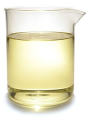
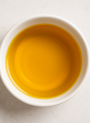
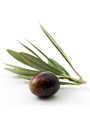
- Caprylic/Capric Triglyceride (e.q. Myritol 318), Squalane (Olive), Jojoba Oil (Golden - Deodorized), Vitamin E (Tocopheryl Acetate): These are your oil-soluble ingredients. Caprylic/Capric Triglyceride, Squalane, and Jojoba Oil are emollients that soften and moisturize the skin. Vitamin E is an antioxidant.
- Role: Provide emolliency, nourishment, and antioxidant protection.
- Typical Usage: Caprylic/Capric Triglyceride (1-20%), Squalane (1-100%), Jojoba Oil (1-100%), Vitamin E (0.1-1%, use below 0.5% to minimize stickiness). The total amount of your oil phase will impact the final texture.
- Mulse Lotion Maker™ (Polyglyceryl-3 Methylglucose Distearate): This is your emulsifier, necessary to combine the oil and water phases into a stable gel-cream or emulsion gel.
- Role: Links the oil and water phases. It does not thicken the formula on its own.
- Typical Usage: 0.5-3%.
- Mixing: Dissolve in the oil phase.
- Panthenol (Vitamin B5, DL-Panthenol, Powder): A water-soluble ingredient known for soothing, moisturizing, and skin barrier support, excellent for sensitive skin.
- Role: Skin conditioning, anti-inflammatory, humectant.
- Typical Usage: 0.5-10%. Recommended usage is 1-3%. Higher amounts (>5%) can make the product feel gooey.
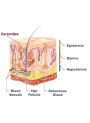
- Ceramide 3 (Ceramide NP): A skin-identical lipid that helps restore the skin barrier, very beneficial for sensitive skin.
- Role: Skin barrier repair and conditioning.
- Typical Usage: 0.01-0.2%. Recommended usage is 0.1%.
- Mixing: Dissolve in the oil portion, requires heating to 75°C or higher.
- Mild Preserved Eco™ (Preservative-Free): A gentle preservative alternative.
- Role: Protects the product from microbial growth.
- Typical Usage: 0.5-2.0% (1.0-1.5% for general cosmetics).
- Mixing: Add in the final step after the gel/cream is formed.
Formulation Considerations:
- Phases: You will have a water phase (Water, Glycerin, Panthenol, Pro Polymer) and an oil phase (Caprylic/Capric Triglyceride, Squalane, Jojoba Oil, Vitamin E, Ceramide 3, Mulse Lotion Maker).
- Emulsification: Mulse Lotion Maker will help create an emulsion gel, where the oil phase is dispersed within the gelled water phase.
- Texture Control: The amount of Pro Polymer is key to the gel thickness. The total amount of the oil phase will influence the feel and stability of the emulsion gel. Higher oil content might require careful balancing with the emulsifier and gel maker.
- Mixing Order:
- Prepare the water phase (Water, Glycerin, Panthenol). Disperse Pro Polymer into this phase according to its instructions (slow sprinkling, allowing hydration time).
- Prepare the oil phase (Caprylic/Capric Triglyceride, Squalane, Jojoba Oil, Vitamin E, Mulse Lotion Maker, Ceramide 3). Heat the oil phase to dissolve Ceramide 3 (75°C+).
- Combine the heated oil phase into the water phase while mixing to create the emulsion gel.
- Once cooled, add the Mild Preserved Eco.
- Experimentation: Start with lower percentages of the oils and gel maker and gradually increase them in small batches until you achieve the desired texture and skin feel. Pay attention to the recommended maximum usage rates for each ingredient.
Remember that these are general guidelines. Developing a stable and effective formula requires careful measurement, proper mixing techniques, and stability testing.
Related Products Mentioned
Vitamin E (Tocopheryl Acetate)
Jojoba Oil (Golden - Deodorized)
Squalane (Olive)
Glycerin (USP/Food Grade)
Pro Polymer™ (Gel Maker)