Formulating a Gentle Cleansing Gel for Sensitive Skin: Polysorbate 80, Thickeners, Preservatives, and pH
Question
I am interested in formulating a gentle cleansing gel for sensitive skin, similar to a Clinique product I use. I am sensitive to SLS.
Based on the information provided:
- What is the typical usage concentration for Polysorbate 80 (Tween 80) in such a formulation? Does the percentage refer to the pure ingredient?
- What are some suitable alternatives to Cellulose Gum for thickening the gel?
- What preservative system would be suitable for sensitive skin, considering Pentylene Glycol + Phenoxyethanol might be irritating? Would Polyaminopropyl Biguanide be a good alternative?
- What is the general manufacturing process for this type of cleansing gel?
- Is pH adjustment necessary for the final product, and what is the recommended pH range?
- Is Polysorbate 80 suitable for use as the main cleansing agent in foaming products like shampoo or body wash?
- What are the key differences between Polysorbate 80 (Tween 80), Lauryl Glucoside, and Decyl Glucoside, particularly regarding their function and suitability for foaming vs non-foaming cleansers and sensitive skin?
Answer
Gentle Cleansing Gel Formulation for Sensitive Skin
Okay, I can help you with formulating a gentle cleansing gel for sensitive skin, similar to the Clinique product you mentioned. It's good that you are aware of your sensitivity to certain surfactants like SLS. The Clinique product uses Polysorbate 80, which is a milder, non-ionic surfactant often used for gentle cleansing without significant foam.
Here is the information based on your questions and the product details:
Polysorbate 80 (Tween 80) Concentration
Polysorbate 80 acts as a mild cleansing agent and emulsifier in formulations like the Clinique cleansing gel. The typical usage rate for Polysorbate 80 in cosmetic formulations is 1-20%. The specific concentration you need will depend on the desired cleansing strength and texture. You would need to experiment within this range to find what works best for you.
The Polysorbate 80 (Tween 80) and HiPure™ PS80 (Polysorbate 80 Super-Refined) products available are supplied as the ingredient itself, and the usage rate refers to the percentage of this ingredient in your final formulation.
Alternatives to Cellulose Gum
Cellulose Gum is used as a thickener to create the gel texture. Several alternatives can be used:
- Carboxymethyl Cellulose (CMC): This is a cellulose derivative that acts as a thickener and can also help with emulsification. It is soluble in water and typically used at 0.1-3%.
- Xanthan Gum: A natural gum produced by fermentation, it is a popular anionic thickener that creates clear gels. It is used at 0.1-2% and is soluble in water.
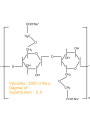
- Hydroxyethyl Cellulose (HEC): A non-ionic cellulose derivative that creates gel texture and is suitable for formulas containing electrolytes. It is used at 0.5-3% and dissolves in warm water (around 70°C).
Choose an alternative based on desired texture, clarity, and compatibility with other ingredients in your formula. Xanthan Gum is often a good starting point for clear gels.
Preservative System
A preservative system is essential for any water-based product to prevent microbial growth. Your suggestion of using Pentylene Glycol + Phenoxyethanol is a possibility, but as noted, Phenoxyethanol can be irritating for very sensitive skin.
- Pentylene Glycol: This acts as a humectant, solvent, and can boost the efficacy of preservatives. It is typically used at 1-10%.
- Phenoxyethanol: A common preservative used at 0.5-1.0%. While effective against bacteria, it is less effective against fungi and can cause irritation in sensitive individuals.
- Polyaminopropyl Biguanide (PHMG): This is a milder alternative preservative that is effective against a broad range of microorganisms (bacteria, fungi, yeast). It is considered relatively mild and is used at 0.1-1.0%.
For very sensitive skin, a system combining Pentylene Glycol (e.g., 3-5%) with Polyaminopropyl Biguanide (e.g., 0.5%) might be a gentler option compared to using Phenoxyethanol. Always perform a challenge test on your final formula to ensure the preservative system is effective.
Manufacturing Process
A general process for making a simple cleansing gel:
- Weigh out the water and Propylene Glycol in a beaker.
- If using a powder thickener like Xanthan Gum or CMC, disperse it in a small amount of glycerin or Propylene Glycol first to prevent clumping, then add this mixture to the water phase while stirring or blending until fully hydrated and a gel forms. If using HEC, heat the water phase to around 70°C, add the HEC while stirring, and continue stirring until cool and a gel forms.
- Add the Polysorbate 80 and mix until fully dispersed.
- Add the preservative system (e.g., Pentylene Glycol and Polyaminopropyl Biguanide) and mix thoroughly.
- If adding Lactic Acid (note: the LipidSoft™ Lactic found is an oil-soluble ester, not pure Lactic Acid for pH adjustment), add it now.
- Check the pH of the final product.
pH Adjustment
Yes, pH adjustment is necessary. The natural pH of the mixture will depend on the ingredients used. For a skin cleanser, the ideal pH range is typically around pH 5.5 to be compatible with the skin's natural barrier function.
If you add Lactic Acid (assuming you use a water-soluble form, not the oil-soluble ester found), it will lower the pH. You may need to use a dilute solution of a base like Sodium Hydroxide to raise the pH to the desired range (pH 5.5). Even without adding Lactic Acid, it is crucial to check and adjust the pH to a skin-friendly level.
Polysorbate 80 for Shampoo/Body Wash and Foaming
Polysorbate 80 is primarily an emulsifier and mild cleansing agent. It is not designed to create significant foam and is generally not suitable as the main surfactant for foaming products like shampoo or body wash where lather is expected.
Difference between Tween 80, Lauryl Glucoside, and Decyl Glucoside
These are all surfactants but have different primary functions and properties:
- Polysorbate 80 (Tween 80): A non-ionic emulsifier and mild surfactant. It is excellent for blending oil and water and is used in gentle cleansers or makeup removers that may not require rinsing. It produces very little to no foam.
- Lauryl Glucoside & Decyl Glucoside: These are non-ionic surfactants from the alkyl polyglucoside (APG) family, derived from natural sources. They are considered very mild and are effective cleansing agents that produce stable foam. They are commonly used as primary or co-surfactants in gentle foaming cleansers like sensitive skin body washes, shampoos, and facial cleansers. They typically have a high pH and require adjustment to a skin-friendly range (pH 5-6.5). Lauryl Glucoside generally provides better cleaning than Decyl Glucoside, while Decyl Glucoside is easier to dissolve in water.
For a gentle foaming wash (shampoo or body wash) suitable for sensitive skin, Lauryl Glucoside or Decyl Glucoside would be much more appropriate choices as the primary cleansing ingredient than Polysorbate 80.
In summary, for your gentle cleansing gel, Polysorbate 80 is suitable as a mild cleanser. You will need a thickener like Xanthan Gum or CMC, and a preservative system like Pentylene Glycol + Polyaminopropyl Biguanide is recommended for sensitive skin. Always check and adjust the pH. For foaming washes, consider Lauryl Glucoside or Decyl Glucoside instead of Polysorbate 80.
Related Products Mentioned
Phenoxyethanol (Extra Pure)
Polysorbate 80 (Tween 80)
Lauryl Glucoside
Hydroxyethyl Cellulose (HEC) (4500mPa.s)

Pentylene Glycol (Low-Odor)
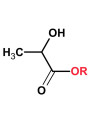
LipidSoft™ Lactic (C12-13 Alkyl Lactate)