Formulating a Gentle Moisturizing Shower Gel for Sensitive Skin
Question
I am developing a gentle and moisturizing shower gel formula for sensitive and very dry skin. I have several questions regarding the formulation:
- Is the combination of surfactants (Lauryl Glucoside, Coco-Betaine, Creamy Foamer™, and Coco Glucoside + PCA Glyceryl Oleate) suitable for this purpose? What is the recommended mixing order?
- Creamy Foamer™ works best at pH 6.3. Will it still perform well at the target pH of 5.5 for the shower gel?
- I plan to add Glycerin, Propylene Glycol, Panthenol, Poly-Conditioner Pro, and EasyThick. Are these ingredients suitable and non-redundant? What are the recommended usage percentages?
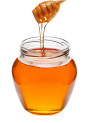
- I want to incorporate raw honey into the formula. Is this advisable? What are the potential issues, and what is the recommended usage rate or alternative?
- What is the recommended mixing procedure for all the ingredients, including the water phase, surfactant phase, thickener, and other additives?
- Is Phenoxyethanol sufficient as a preservative for this formula, especially if using natural ingredients like honey?
- Do I need a solubilizer like Flora Solve Clear to add Essential Oils? If so, how should it be used and in what ratio?
Answer
Gentle and Moisturizing Shower Gel Formulation Advice
Thank you for reaching out! It's a great idea to formulate a gentle and moisturizing shower gel tailored for sensitive and dry skin. Let's go through your proposed formula and questions.
1. Surfactant Combination Suitability
Your proposed combination of Lauryl Glucoside (nonionic), Coco-Betaine (amphoteric), Creamy Foamer™ (anionic), and Coco Glucoside + PCA Glyceryl Oleate (nonionic/conditioner) is suitable and well-balanced for creating a mild and moisturizing shower gel. Mixing different types of surfactants (anionic, nonionic, amphoteric) often results in a milder formula with improved foam characteristics and reduced irritation compared to using a single surfactant type. The total active surfactant matter (ASM) of around 17% is appropriate for a shower gel.
Mixing Order: Generally, you would prepare the water phase first, incorporating water-soluble ingredients and thickeners. Then, gently mix the surfactants separately. Finally, add the mixed surfactant phase slowly to the water phase with gentle stirring to avoid excessive foaming. Specific mixing steps are detailed in question 5.
2. CreamyFoamer™ Performance at pH 5.5
Creamy Foamer™ is noted to provide optimal foam at pH 6.3. While lowering the pH to 5.5 might slightly reduce its individual foaming efficiency compared to its peak, the overall surfactant blend you've chosen is designed to work together. Lauryl Glucoside and Coco-Betaine will contribute significantly to foam generation and stability. You should still achieve a satisfactory level of foam with your proposed combination at pH 5.5, which is a good pH for skin compatibility.
3. Supplemental Ingredients and Recommendations
Your selection of supplemental ingredients is appropriate for a gentle and moisturizing shower gel:
- Glycerin and Propylene Glycol: Both are excellent humectants that draw moisture into the skin, helping to counteract the drying effect of surfactants. They also act as solvents. You can use a combination, for example, 5-10% Glycerin and 3-5% Propylene Glycol, adjusting based on desired feel and clarity.
- Panthenol: Pro-Vitamin B5 is a fantastic addition for sensitive and dry skin. It soothes, moisturizes, supports the skin barrier, and aids in healing. A usage rate of 1-3% is recommended for skin benefits.
- Poly-Conditioner Pro: This conditioning polymer helps to leave the skin feeling soft and smooth after rinsing, reducing the feeling of dryness often associated with cleansing products. A rate of 0.2-0.5% is typically effective.
- EasyThick: This is a suitable thickener for your surfactant system to achieve the desired gel consistency. The usage rate will depend on the final viscosity you want, typically ranging from 3-15%.
None of these ingredients are strictly redundant, and they complement each other well to create a gentle and moisturizing product.
4. Incorporating Raw Honey
While raw honey has beneficial properties, using it in a water-based cosmetic formulation like a shower gel is not recommended due to significant risks:
- Microbial Contamination: Raw honey contains bacteria and spores that can easily grow in a water-based environment, potentially leading to product spoilage and skin irritation, even with preservatives.
- Stability Issues: Natural ingredients like raw honey can affect the stability, clarity, color, and odor of the final product over time.
- Preservation Challenges: Effectively preserving a formula containing raw honey requires a robust preservation system, and Phenoxyethanol alone may not be sufficient to handle the microbial load.
For safety and stability, it is highly recommended to use a cosmetic-grade Honey Extract (water-dispersible type) instead of raw honey. If you choose to use an extract, a typical usage rate might be 0.5-2%. If you insist on using raw honey despite the risks, it should ideally be pasteurized and used at a very low percentage (e.g., max 1-2%) with a comprehensive broad-spectrum preservative system, and a challenge test is essential to confirm microbial stability.
5. Mixing Phases
Here is a suggested mixing procedure:
- Water Phase: In a container, combine the water. If using EasyThick or Poly-Conditioner Pro, disperse them in the water according to their specific instructions (some may require heating or specific dispersion methods). Once dispersed/dissolved, add Glycerin, Propylene Glycol, and Panthenol. Stir until all water-soluble ingredients are dissolved. Let cool if heated.
- Surfactant Phase: In a separate container, gently mix Lauryl Glucoside, Coco-Betaine, Creamy Foamer™, and Coco Glucoside + PCA Glyceryl Oleate. Avoid vigorous stirring that creates foam.
- Combine: Slowly pour the Surfactant Phase into the Water Phase while stirring gently. Continue stirring until the mixture is uniform and the desired viscosity starts to develop (EasyThick will thicken the blend).
- Add Remaining Ingredients: Add the preservative (Phenoxyethanol). If using Essential Oil, add the pre-mixed Essential Oil/Flora Solve Clear blend (see Q7). If using Honey Extract, add it now.
- pH Adjustment: Measure the pH of the mixture. Gradually add a dilute solution of Citric Acid or Lactic Acid while stirring gently until the pH reaches 5.5.
- Finalization: Stir gently to ensure everything is well mixed. Let the product sit for several hours or overnight to allow any trapped air bubbles to rise, resulting in a clearer product.
6. Preservative Suitability
Phenoxyethanol is a widely used and generally safe preservative. However, as noted in its description, it is more effective against bacteria and less so against fungi (yeast and mold). For a water-based product, especially one potentially containing natural ingredients like honey, a broad-spectrum preservative is preferable to ensure adequate protection against all types of microorganisms. Consider using a blend that includes antifungal agents or opting for a broad-spectrum preservative like Mild Preserved Eco™ or Phenoxyethanol SA for better overall microbial stability. Always perform a challenge test on your final formula to confirm the preservative system is effective.
7. Essential Oil Solubilization
Yes, you must use a solubilizer like Flora Solve Clear to incorporate Essential Oils into your water-based shower gel formula. Essential oils are not water-soluble and will separate without a solubilizer, leading to an unstable product and potential skin irritation from undiluted oil droplets.
How to use Flora Solve Clear:
Mix the Essential Oil with Flora Solve Clear in a separate container first. The recommended ratio is typically 2-5 parts Flora Solve Clear to 1 part Essential Oil, depending on the specific oil's solubility. Stir or blend this mixture until it is completely clear before adding it to your main shower gel formula in the final steps. Add the solubilized oil blend to the main formula slowly while stirring gently.
Your plan to create a gentle and moisturizing shower gel is well-considered. By carefully selecting ingredients and following proper formulation techniques, you can achieve a product that is suitable for sensitive and dry skin.
Related Products Mentioned
Propylene Glycol (USP)
Glycerin (USP/Food Grade)
Phenoxyethanol (Extra Pure)
Lauryl Glucoside
Coco Glucoside
Mild Preserved Eco™ (Preservative-Free)
Poly-Conditioner Pro (400 mPa.s)
PCA Glyceryl Oleate