Formulating a Gentle Serum for Acne, Redness, and Sensitive Skin
Question
I have sensitive, dry skin with clogged pores and redness. I want to formulate a gentle serum using the following ingredients: Encapsulated Salicylic Acid, Allantoin, B5, Glucosamine, Zinc PCA, Green Tea Extract, and Nanowhite.
I previously used a tester product that helped with clogged pores but caused dryness and redness. I am looking for advice on:
- How to combine these ingredients effectively.
- The proper formulation steps.
- Potential compatibility issues, especially for sensitive skin.
- How to ensure the formula is gentle while still targeting both clogged pores and redness.
Could you please provide guidance on formulating this serum?
Answer
Understanding Your Ingredients
You have a good selection of ingredients that can address your concerns:
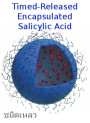
- Encapsulated Salicylic Acid: This is a Beta Hydroxy Acid (BHA) that helps exfoliate the skin, unclog pores, and reduce blackheads and whiteheads. The encapsulated form is designed to be gentler and release slowly, which is good for sensitive skin. Note: Ensure you have a "leave-on" type of Encapsulated Salicylic Acid for a serum, as some are formulated only for wash-off products.
- Allantoin: Known for its soothing and anti-irritant properties. It helps reduce redness and promotes skin healing, making it excellent for sensitive and acne-prone skin.
- B5 (Panthenol): A great moisturizer and skin barrier strengthener. It helps reduce inflammation, redness, and aids in wound healing, which is beneficial for acne marks and dryness.
- Glucosamine (Acetyl Glucosamine): Works well with Vitamin B3 (Niacinamide) to improve skin tone, reduce dark spots (like post-acne marks), gently exfoliate, and boost hydration by stimulating hyaluronic acid production.
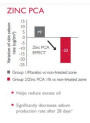
- Zinc PCA: Helps control excess oil, reduces inflammation, and has antibacterial properties, making it effective against acne. It also supports skin healing.
- Green Tea Extract (EGCG): A powerful antioxidant and anti-inflammatory ingredient. It can help soothe the skin, reduce redness, and has some oil-controlling and anti-acne benefits. It's sensitive to heat and light, so handle with care.
- Nanowhite (e.g., ChromaWhite, CosmoWhite): These are typically skin brightening complexes aimed at reducing pigmentation and improving skin tone. ChromaWhite, for example, works by inhibiting the enzyme involved in melanin production. Note that some whitening ingredients like ChromaWhite are oil-soluble, which affects formulation.
- Vitamin B3 (Niacinamide): As suggested by another user, this is an excellent addition. It strengthens the skin barrier, reduces redness and inflammation, helps with hyperpigmentation (red and dark marks), controls oil, and improves skin texture. It works synergistically with Glucosamine for brightening.
Is This Too Much?
Combining many active ingredients, even gentle ones, can increase the risk of irritation for sensitive skin. Your list is comprehensive, targeting multiple issues. While these ingredients are generally compatible, the total concentration of actives might be too high.
For sensitive skin, it's often best to start with a simpler formula focusing on the primary concerns (acne and redness/healing) and gradually introduce other actives.
Mixing Order and Formulation Tips
Creating a stable and effective serum requires careful formulation, considering the solubility, pH requirements, and compatibility of each ingredient. Most of your ingredients are water-soluble, but some (like certain types of Nanowhite/ChromaWhite) might be oil-soluble.
Here's a general approach for a water-based serum:
- Water Phase: Dissolve water-soluble ingredients like Vitamin B3, Glucosamine, Allantoin, B5, and Zinc PCA in the water phase. Some ingredients might require gentle heating to dissolve completely (check specific product instructions).
- Cool-Down Phase: Once the water phase has cooled (usually below 40°C), add heat-sensitive ingredients like Green Tea Extract and Encapsulated Salicylic Acid. Mix Encapsulated Salicylic Acid gently to avoid breaking the capsules.
- Oil Phase (if needed): If your Nanowhite ingredient is oil-soluble (like ChromaWhite), it needs to be dissolved in a suitable oil or solvent phase first and then incorporated into the water phase using an emulsifier. This adds complexity to the formulation. If you want to keep it simple, you might omit oil-soluble ingredients or find water-soluble alternatives for brightening.
- Thickener: Add a suitable thickener if you want a gel or serum consistency. Be aware that Encapsulated Salicylic Acid (ID 229 description) mentions incompatibility with certain thickeners like Carbomers (Pro Polymer), Hyaluronic Gel, Xantham Gum, etc., recommending Hydroxyethyl Cellulose or HPMC instead.
- pH Adjustment: Check and adjust the final pH of your serum. Salicylic Acid and Zinc PCA work best within specific pH ranges (Salicylic Acid typically 3-4, Zinc PCA typically 4-6). Aiming for a pH between 4.0-5.5 is generally good for skin compatibility and the effectiveness of many actives.
- Preservation: A broad-spectrum preservative system is essential to prevent microbial growth in any water-based product.
- Packaging: Store the finished product in an opaque bottle to protect light-sensitive ingredients like Green Tea Extract.
Starting Simple: Given your sensitive skin, you might consider starting with a formula focusing on:
- Encapsulated Salicylic Acid (for acne)
- Allantoin and B5 (for soothing and barrier repair)
- Vitamin B3 and Glucosamine (for redness, marks, and barrier support)
- A simple, compatible thickener and preservative system.
You can add Green Tea and Nanowhite later once your skin is comfortable with the basic formula.
Recommendation
It's great that you are experimenting based on a product that worked for you. The ingredients you've selected are beneficial for your concerns. However, formulating cosmetics requires precision with percentages, compatibility testing, and understanding pH.
Start by formulating a simple serum with the core ingredients for acne, soothing, and redness (Encapsulated Salicylic Acid, Allantoin, B5, Glucosamine, Vitamin B3, Zinc PCA). Follow the mixing guidelines, pay close attention to solubility and pH, and use a compatible thickener and preservative.
Always perform a patch test on a small area of skin before applying the new serum to your entire face, especially with sensitive skin. Observe for any redness, itching, or irritation.
Adding Green Tea and Nanowhite is possible, but consider the formulation complexity, especially if Nanowhite is oil-soluble. You can add these once you have a stable base serum that your skin tolerates well.
Related Products Mentioned
Safe-B3™ (Vitamin B3, Niacinamide)

Allantoin
GlucoBright™ (Acetyl Glucosamine)
Zinc PCA
Hi-EGCG™ (Green Tea Extract)