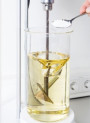
Formulating a Lip Mask with Oil Thick™ Clear S and Natural Oils
Question
I want to create a lip mask similar to LANEIGE Lip Sleeping Mask using Oil Thick™ Clear S (Ethylene/Propylene/Styrene Copolymer) at 10% with natural oils such as Argan Oil (Organic - Virgin - Deodorized), Grape Seed Oil (Refined), or other oils from the NATURAL>OIL & BUTTER category (plant and herbal oils). Is this combination suitable? Also, can I add other oil-soluble active ingredients like Perfect-C™ (Ascorbyl Tetraisopalmitate), Resveratrol LongMax™, and Trans-Resveratrol (Powder, 98%)? Do I need to use Disodium EDTA or a preservative in this formulation? Thank you.
Answer
Creating a Lip Mask with Oil Thick™ Clear S and Natural Oils
Yes, you can typically use Oil Thick™ Clear S (Ethylene/Propylene/Styrene Copolymer) at 10% to create a clear oil gel base for a lip mask, similar to the texture of products like the LANEIGE Lip Sleeping Mask. This ingredient is suitable for thickening polar oils, which includes natural oils like Argan Oil and Grape Seed Oil, as well as other natural oils and ester oils.
Incorporating Oil-Soluble Actives
Oil-soluble active ingredients such as Perfect-C™ (Ascorbyl Tetraisopalmitate), Resveratrol LongMax™, and Trans-Resveratrol can generally be incorporated into this oil gel base. Ensure these ingredients are properly dissolved or dispersed according to their specific usage instructions.
Preservatives and Chelating Agents
For a purely oil-based (anhydrous) formulation like a lip mask, traditional water-phase preservatives are generally not necessary because bacteria and fungi require water to grow.
Disodium EDTA is a chelating agent, not a preservative. Its primary function is to bind with metal ions that may be present in ingredients (especially if using non-distilled water in any part of the process or if ingredients contain trace metals), which helps improve the stability of the overall formulation, particularly for sensitive actives like some forms of Vitamin C (e.g., Perfect-C™) or Resveratrol. If your formulation is completely anhydrous (contains no water), Disodium EDTA is not strictly necessary for chelation related to water impurities, but it might still offer some stability benefits depending on the purity of your oil ingredients. If you do use any ingredients that might introduce water or metal ions, adding Disodium EDTA at the recommended rate (typically 0.1-0.2%) can be beneficial for stability.
Instead of traditional preservatives, consider adding an antioxidant to the oil phase to prevent the natural oils from going rancid over time. Common oil-soluble antioxidants include Vitamin E (Tocopherol) or BHT.
In summary, your proposed base formulation with Oil Thick™ Clear S and natural oils is suitable for a lip mask. You can add oil-soluble actives. Traditional preservatives are not needed in an anhydrous formula, but Disodium EDTA can be used for stability if water/metal ions are a concern, and antioxidants are recommended to protect the oils.
Related Products Mentioned
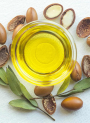
Argan Oil (Virgin - Deodorized)
Disodium EDTA
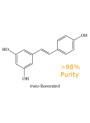
Trans-Resveratrol (Powder, 98%)