Formulating a Liquid Spot Corrector Serum for Melasma with Mixed Solubility Actives
Question
I want to create a liquid spot corrector serum for melasma using the following active ingredients:
- Azelaic Acid
- Glycolic Acid
- Activated Resorcinol
I need the final product to have a liquid texture suitable for a dropper bottle. My main challenge is combining these ingredients, as Activated Resorcinol is oil-soluble, while Azelaic Acid and Glycolic Acid are water-soluble.
How can I formulate this product to effectively combine these oil-soluble and water-soluble actives into a stable liquid texture without creating a thick cream or lotion?
Answer
Creating a Liquid Spot Corrector Serum
You're looking to create a liquid spot corrector serum for melasma using ingredients like Azelaic Acid, Glycolic Acid, and Activated Resorcinol, aiming for a texture suitable for a dropper bottle.
Your question about how to combine water and oil phases is key, especially since Activated Resorcinol is typically oil-soluble, while Azelaic Acid (especially the water-soluble form) and Glycolic Acid are water-soluble. Combining ingredients with different solubilities in a stable, liquid format requires careful formulation.
Traditional emulsifiers (like Light Cream Maker or Soft Cream Maker) are designed to create emulsions (creams or lotions) by blending oil and water phases. While using them at very low concentrations might result in a thin liquid, the texture would still be a milky emulsion, which may not be the clear or gel-like liquid you might envision for a dropper.
For a truly liquid format that combines water and oil-soluble components without creating a thick cream, consider these approaches:
- Using a Solubilizer: If the amount of oil-soluble ingredient (like Activated Resorcinol) is relatively small, a solubilizer can disperse it evenly within the water phase. This typically results in a clear or slightly hazy liquid, maintaining the low viscosity needed for a dropper.
- Specialized Dispersants/Emulsifiers for Low Viscosity: Some ingredients are designed to help disperse or emulsify oil into water at very low concentrations, yielding thin, stable liquids.
- Combining with a Gelling Agent: As suggested in the forum, using a gelling agent like Pro Polymer can create a liquid gel texture. A well-formulated gel system can help suspend or stabilize dispersed oil droplets, potentially in conjunction with a solubilizer or a low-HLB dispersant, achieving a stable liquid texture.
Given your goal of a liquid, dropper-friendly product, focusing on solubilizers or specialized low-viscosity dispersants, potentially combined with a gelling agent like Pro Polymer to create a liquid gel, would be more suitable than relying solely on traditional cream-making emulsifiers.
Also, as the forum reply correctly noted, including anti-irritant ingredients is highly recommended when using potent actives like Azelaic Acid, Glycolic Acid, and Activated Resorcinol, as they can cause irritation. Ingredients like Allantoin, Bisabolol, or Dipotassium Glycyrrhizate can help soothe the skin and improve tolerance to the active ingredients.
Related Products Mentioned
Light Cream Maker™
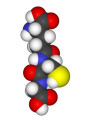
Glutathione (L-Glutathione) (Extrasol)
Pro Polymer™ (Gel Maker)
Glycopure™ (Glycolic Acid (AHA) Powder)
Soft Cream Maker™