Formulating a Melting Cleansing Balm with Polyethylene Wax
Question
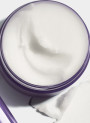
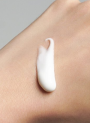
I would like to ask about Polyethylene Wax used in cleansing balm, aiming for a sherbet-like texture that becomes easier to spread and melts down when applied to the skin (wanting the cleansing balm to be similar to Banila Co Clean It Zero).
- Should I use Polyethylene Wax of the hard or soft type?
- What percentage of wax should I use? If using the hard type, what percentage? Or if using the soft type, what percentage?
- What factors cause the cleansing balm to melt down when rubbed on the skin, melting almost into a liquid?
Answer
Formulating a Melting Cleansing Balm
To create a cleansing balm with a sherbet-like texture that melts easily on the skin, similar to products like Banila Co Clean It Zero, the choice of wax and other ingredients is crucial. Here's a breakdown based on your questions:
1. Which Polyethylene Wax Type?
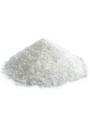
Based on the available options, you have Polyethylene Wax with a melting point of 88°C (Hard) and 113°C (Very Hard). To achieve a texture that melts readily upon contact with skin (which is around 37°C), the Polyethylene Wax (Hard, Melting Point 88C) would be more suitable than the Very Hard type, as it has a lower melting point. However, even the 88°C melting point is significantly higher than skin temperature. The melting effect in a cleansing balm comes primarily from the overall composition, including oils and emulsifiers that melt or spread easily at body temperature, with the wax providing structure.
2. Recommended Usage Percentage
The typical usage rate for Polyethylene Wax is 1-30%. For a cleansing balm aiming for a texture that melts easily, you would likely use a percentage in the lower to mid-range, perhaps starting between 5% and 15%. The exact percentage will depend heavily on the other ingredients in your formulation (such as liquid oils, solid oils, and butters) and the desired firmness of the final balm. A higher percentage of wax will result in a firmer balm.
3. Factors for Melting on Skin
The primary factor that causes a cleansing balm to melt into a liquid upon contact with skin is the temperature of the skin itself (approximately 37°C). The formulation achieves this melting behavior through the careful selection and balance of ingredients, specifically:
- Oils and Butters: Using a significant proportion of oils and butters that are liquid or have low melting points close to body temperature is key. These ingredients will melt rapidly when warmed by the skin.
- Waxes: While waxes like Polyethylene Wax provide structure, using them at appropriate concentrations and potentially combining them with softer waxes or those with lower melting points helps ensure the balm isn't too hard and can break down easily.
- Emulsifiers: Emulsifiers help the balm interact with water and can influence the texture and spreadability, contributing to the feeling of the product melting and transforming.
In summary, while Polyethylene Wax contributes to the balm's structure, the easy melting on skin is a result of the overall formulation, particularly the types and ratios of oils, butters, and emulsifiers used, which respond to body temperature.