Formulating a Non-Greasy Face Cream with Apple Stem Cell, Vitamin C (MAP), and Vitamin B3 (Niacinamide)
Question
I would like to create a face cream with the following ingredients:
- Apple Stem Cell Extract (PhytoCellTec™): I want this to be the main ingredient.
- Vitamin C (Magnesium Ascorbyl Phosphate): As the secondary ingredient.
- Vitamin B3 (Niacinamide, Niacin): For acne reduction, acne scar reduction, and added moisture.
The problem is I have never mixed a formulation myself before, and I want the cream to be non-greasy, fast-absorbing, non-oily, and effective (highly stable). What additional ingredients do I need to add to achieve this? I want to try mixing it myself. Please provide the mixing steps and the necessary ingredients. Thank you very much.
Answer
Formulating a Face Cream with Apple Stem Cell, Vitamin C (MAP), and Vitamin B3 (Niacinamide)
Creating your own face cream is an exciting project! The ingredients you've chosen - Apple Stem Cell Extract, Magnesium Ascorbyl Phosphate (Vitamin C), and Niacinamide (Vitamin B3) - are excellent choices for skin rejuvenation, brightening, and improving skin texture and barrier function.
Here's a guide to help you formulate a non-greasy, fast-absorbing, stable, and effective cream:
Understanding Your Key Ingredients
- Apple Stem Cell Extract (AppleCell™ Powder): This ingredient helps to nourish skin cells and slow down the aging process, keeping skin looking youthful. It's water-soluble and should be added in the final cooling phase of your formulation.
- Magnesium Ascorbyl Phosphate (MAP): This is a stable form of Vitamin C known for its brightening properties. It's water-soluble but requires a higher pH (7-9, optimally 7-8) for maximum stability compared to the other ingredients.
- Niacinamide (Vitamin B3): Beneficial for reducing wrinkles, hyperpigmentation, increasing moisture by stimulating collagen and ceramide production, strengthening the skin barrier, and controlling oiliness. It's water-soluble and stable over a broader pH range (3-8, optimally 4-7). We offer two types: Safe-B3™ and Extreme-B3™ (higher purity, gentler).
Formulation Considerations: The pH Challenge
The main challenge when combining these ingredients is their optimal pH ranges. MAP prefers an alkaline environment (pH 7-8), while Niacinamide and Apple Stem Cell Extract are more stable and effective in a slightly acidic to neutral range (pH 3.5-7).
To create a stable formula with all three, you'll need to find a compromise pH. Formulating around pH 5.0-6.0 is often a good balance that supports the efficacy of Niacinamide and Apple Stem Cell Extract, although MAP's stability might be slightly reduced compared to its optimal pH. You should always perform stability testing on your final product.
Additional Ingredients Needed for a Cream Base
To create a stable, non-greasy, and fast-absorbing cream, you will need more than just the active ingredients. A typical cream formulation involves a water phase, an oil phase, and ingredients to bring them together and stabilize the mixture. Here are the types of additional ingredients you'll need:
- Water Phase: Purified water is the base. You'll dissolve your water-soluble actives (Niacinamide, MAP, Apple Stem Cell Extract) here (though Apple Stem Cell is added later). Humectants like Glycerin or Propanediol can be added to boost hydration and improve texture.
- Oil Phase: To provide emolliency without greasiness, choose light, fast-absorbing oils or esters such as Caprylic/Capric Triglyceride, Squalane, or light silicones (like Cyclopentasiloxane, if desired). Fatty alcohols (like Cetyl Alcohol, Cetearyl Alcohol) or fatty acids can provide structure.
- Emulsifier: This is crucial to mix the oil and water phases into a stable emulsion (cream). Choose an emulsifier suitable for your desired texture (light, non-greasy). Examples include emulsifying waxes (like Cetearyl Alcohol and Polysorbate 60) or non-ionic emulsifiers.
- Thickener/Rheology Modifier: To give the cream body, prevent separation, and influence the skin feel. Polymers (like Carbomer) or gums (like Xanthan Gum) are common choices. Some thickeners also contribute to a less greasy feel.
- Preservative: Essential to prevent microbial growth and keep your product safe. Choose a broad-spectrum preservative system effective at your chosen pH.
- Chelating Agent: Ingredients like Disodium EDTA can help improve the stability of MAP by binding to metal ions in the water.
- pH Adjuster: Acids (like Citric Acid or Lactic Acid) or bases (like Sodium Hydroxide) are used to adjust the final pH of the cream to your target range.
Basic Cream Mixing Steps (General Guide)
This is a simplified overview. Specific instructions depend on the exact emulsifier and thickener used.
- Prepare Water Phase: Heat purified water and dissolve water-soluble ingredients like Niacinamide, MAP, Humectant, and Chelating Agent. Heat to the temperature required by your emulsifier (usually 70-80°C).
- Prepare Oil Phase: Combine oils, fatty alcohols, and emulsifier. Heat to the same temperature as the water phase.
- Combine Phases: Slowly add the oil phase to the water phase while stirring continuously. Use a homogenizer or stick blender for a few minutes to create a stable emulsion.
- Cool Down: Continue stirring gently while the mixture cools. Once the temperature drops below 40°C:
- Add Heat-Sensitive Ingredients: Add Apple Stem Cell Extract and your Preservative.
- Adjust pH: Check the pH and adjust it to your target range (e.g., 5.0-6.0) using a pH adjuster.
- Final Mix: Stir well to ensure all ingredients are evenly distributed.
Remember that successful formulation requires careful measurement, proper sanitation, and stability testing. Starting with a simple base recipe and gradually incorporating your desired actives is a good approach for beginners.
Related Products Mentioned
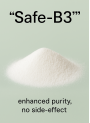
Safe-B3™ (Vitamin B3, Niacinamide)