Formulating a Non-Sticky Serum with Specific Ingredients
Question
I want to formulate a non-sticky serum using the following ingredients:
Repair Activator 10%
Glycosaminoglycans Complex 5%
Safe B3 10%
Gluco Bright 4%
Copper Peptide 3%
Dipotassium Glycyrrhizate 2%
Ectoine 2%
DMI 3%
Odor Kill 1%
Active Protec 1%
satin crame maker 1%
Can this formula result in a lightweight, non-sticky serum as desired? If any ingredients need to be removed to make the formula non-sticky, which ones should they be? Please advise.
Previously, I made a formula using the ingredients listed above, but also added Acetyl Hexapeptide-8 10% and Pep Coll 5%. The resulting serum was very sticky and I couldn't fix it, so I want to create a new formula. Thank you in advance.
Answer
Serum Formulation for Non-Sticky Texture
Your goal is a lightweight, non-sticky serum. The previous formula you made was sticky, likely due to the high concentrations of peptides like Acetyl Hexapeptide-8 and Pep-Coll, and the base ingredients they are supplied in (which often contain glycerin).
Your proposed new formula removes these two peptides but still contains several ingredients at relatively high percentages that can contribute to a less lightweight or potentially sticky texture:
- Glycosaminoglycans (5%): As a polysaccharide, similar to hyaluronic acid, Glycosaminoglycans can contribute a noticeable feel and potentially stickiness, especially at a 5% concentration of the pure powder.
- Repair Activator (10%): This ingredient is supplied in a base containing Butylene Glycol and Glycerin, both of which are humectants that can add to a sticky feel at higher percentages.
- Safe B3 (10%): While Niacinamide itself is a powder, using it at 10% is a high concentration of a water-soluble active, which can sometimes influence the final texture, although it's less likely to be the primary cause of stickiness compared to polymers or high levels of humectants.
- Copper Peptide (3%): This is a solution containing glycerin and propylene glycol, which are humectants contributing to the feel.
- Satin Cream Maker (1%): This is a polymer thickener. While used to create a smooth texture, polymers are a common source of stickiness in water-based formulas if not balanced correctly or used at too high a concentration for the desired feel.
Given the combination of multiple humectants (from Repair Activator, Copper Peptide, and potentially Ectoine) and the polysaccharide (Glycosaminoglycans) along with the polymer thickener (Satin Cream Maker), your proposed new formula may still have some level of tackiness, though likely less than your previous attempt without the two extra peptides.
Suggestions for Reducing Stickiness
To achieve a lighter, non-sticky serum texture with your proposed ingredients, consider reducing the percentage of the following ingredients:
- Glycosaminoglycans: Reducing the concentration from 5% would likely have a significant impact on reducing tackiness. You could try reducing it to 1-3%.
- Repair Activator: Lowering the percentage from 10% will reduce the amount of humectants (Butylene Glycol and Glycerin) introduced by this ingredient's base. Consider reducing it to 5-8%.
- Satin Cream Maker: The percentage of your thickener directly impacts viscosity and feel. If the serum is still too thick or sticky after adjusting the actives, you could try reducing the Satin Cream Maker slightly (e.g., to 0.5-0.8%), provided the formula remains stable.
Reducing the percentages of Glycosaminoglycans and Repair Activator are likely the most impactful changes you can make to reduce stickiness while keeping the core active ingredients. Adjusting the Satin Cream Maker can fine-tune the final texture.
Related Products Mentioned
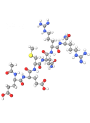
Acetyl Hexapeptide-8 (eq Argireline)
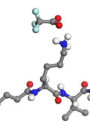
Pep®-Coll (Palmitoyl tripeptide-5)
Safe-B3™ (Vitamin B3, Niacinamide)
GlucoBright™ (Acetyl Glucosamine)

Satin Cream Maker™
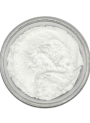
Ectoine (Ectoin, from Bio-fermentation)
Odor-Kill™
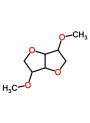
Dimethyl Isosorbide (DMI)
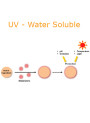
ActiveProtec™ UV