Formulating a Physical Sunscreen Cream: Mixing Procedure
Question
I have a list of ingredients for a sunscreen cream formulation. Could you please provide a step-by-step procedure on how to mix these ingredients to create the cream? The ingredients include:
- Micronized Zinc Oxide
- Micronized Titanium Dioxide
- Soft Cream Maker
- Isododecane
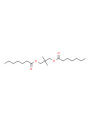
- Neopentyl Glycol Diheptanoate
- Butylene Glycol
- Propanediol
- Methylpropanediol
- Methyl Gluceth-20
- Sodium Hyaluronate
- Carbomer
- Xanthan Gum
- Ammonium Acryloyldimethyltaurate/VP Copolmer
- Saxifrage Sarmentosa Extract
- Ascorbyl Tetraisopalmitate
- DL-alpha-tocopheryl-acetate
- Glyceryl Stearate
- Steareth-2
- PEG-100 Stearate
- Dioctyldodeceth-5 Lauroyl Glutamate
- Dimethicone
- Phenoxyethanol
- Caprylhydroxamic Acid
- Triethanolamine
- Water (as the base)
I would like to know the correct order and method for mixing these components to achieve a stable sunscreen cream.
Answer
How to Mix Your Sunscreen Ingredients
Based on the ingredients provided and the staff's guidance, here is a general procedure for mixing these components to create a sunscreen cream. This formula involves creating an emulsion (mixing oil and water phases).
Key Ingredients Highlighted by Staff:
- UV Filters: Micronized Zinc Oxide, Micronized Titanium Dioxide
- Emulsifier: Soft Cream Maker (recommended at ~3%)
- Emollients: Isododecane, Neopentyl Glycol Diheptanoate (recommended at ~5-7% each)
The full ingredient list you provided is quite comprehensive and includes other important components like thickeners, humectants, preservatives, and antioxidants. A typical process for a formula like this involves combining ingredients into different phases and mixing them under controlled conditions.
General Mixing Procedure:
- Prepare the Water Phase: Combine water with water-soluble ingredients such as humectants (Butylene Glycol, Propanediol, Methylpropanediol, Methyl Gluceth-20, Sodium Hyaluronate), water-soluble thickeners (Carbomer, Xanthan Gum, Ammonium Acryloyldimethyltaurate/VP Copolmer), and water-soluble extracts (Saxifrage Sarmentosa Extract). Heat this phase to approximately 70°C.
- Prepare the Oil Phase: Combine oil-soluble ingredients including emollients (Isododecane, Neopentyl Glycol Diheptanoate, Dimethicone), oil-soluble actives (Ascorbyl Tetraisopalmitate, DL-alpha-tocopheryl-acetate), and emulsifiers (Soft Cream Maker, Glyceryl Stearate, Steareth-2, PEG-100 Stearate, Dioctyldodeceth-5 Lauroyl Glutamate). Heat this phase to approximately 70°C.
- Disperse UV Filters: In a separate container, disperse the Micronized Zinc Oxide and Micronized Titanium Dioxide in a small amount of the water phase or a suitable oil/silicone from your formula. Use high shear mixing (like a homogenizer) to ensure the powders are fully and evenly dispersed without clumps.
- Emulsification: Slowly add the heated Oil Phase to the heated Water Phase while stirring continuously. Then, add the dispersed UV filter phase to this mixture. Maintain continuous stirring for 3-5 minutes at temperature to form a stable emulsion.
- Cooling: Remove the mixture from heat and continue stirring gently while it cools down.
- Add Cooling Phase Ingredients: Once the temperature drops below 40°C, add heat-sensitive ingredients. This typically includes preservatives (Phenoxyethanol, Caprylhydroxamic Acid). If you used Carbomer in the water phase, neutralize it now with Triethanolamine to thicken the cream. Add any remaining water-soluble ingredients like Sodium Hyaluronate or extracts not added in step 1.
- Final Mixing and Adjustments: Continue stirring until the cream is uniform and has reached room temperature. Check the texture and pH, adjusting the pH if necessary using a suitable acid or base (like Triethanolamine if not already used for Carbomer neutralization).
This procedure provides a framework. Specific mixing speeds, times, and temperatures might need fine-tuning based on the exact quantities and types of ingredients used to achieve the desired texture and stability.
Related Products Mentioned
Triethanolamine 99%
Phenoxyethanol (Extra Pure)
Dimethicone (Medium/350, Low-Odor)
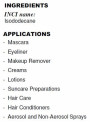
Isododecane (Germany)
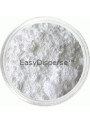
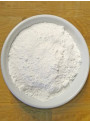
Zinc Oxide (Micronized)
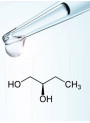
Butylene Glycol
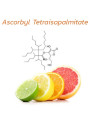
Carbomer 940 (EasyDisperse™, France)
Soft Cream Maker™
Purified Water, TDS Limit 1PPM)