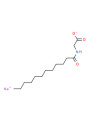
Formulating a Powder Facial Cleanser: Reducing Dustiness, Solubility, and Oil Control
Question
I want to make a powder facial cleanser for personal use because I don't want to add preservatives.
My previous experience with a fine powder amino wash (Sodium Lauroyl Glutamate) was that it was very dusty. Therefore, I would like to know if I can use coarse powder Sodium Luaroyl Glutamate instead of fine powder to reduce dustiness.
My proposed formula for the powder facial cleanser is as follows:
sodium Luaroyl Glutamate(coarse powder) 30%- Papain enzyme 0.5%
- Powder base (need recommendation)
Regarding the formula:
- Is 30%
sodium Luaroyl Glutamate(coarse powder) sufficient for oily skin? (I previously used Sul foam 20% in a foam pump bottle and felt that oiliness remained). - Is the
Papainenzyme dusty? - Could you recommend a powder base suitable for this formula that is not very dusty?
- Will using the coarse powder version have dissolution issues? How much slower will it dissolve compared to the fine powder version?
Thank you.
Answer
Powder Facial Cleanser Formulation Advice
Creating your own powder facial cleanser is a great way to avoid preservatives. Let's address your questions regarding the ingredients and formulation.
Sodium Lauroyl Glutamate (Coarse Powder)
Using a coarser powder version of Sodium Lauroyl Glutamate would indeed help reduce dustiness compared to a fine powder. While a specific coarse grade of Sodium Lauroyl Glutamate wasn't found in the search, Sodium Lauroyl Glycinate is a gentle amino acid-based surfactant available in powder form that could be a suitable alternative. Its recommended usage rate is up to 30%, so using 30% in your formula should provide sufficient cleansing power for oily skin, based on typical usage ranges for gentle surfactants and your experience with Sulfoam.
Regarding dissolution, a coarser powder will generally dissolve slower than a fine powder due to its larger particle size and smaller surface area exposed to water. The exact difference in dissolution speed (e.g., how many times slower) is difficult to quantify without specific particle size data and testing, but you can expect it to take longer and potentially require more agitation.
Papain Enzyme
Standard Papaya Enzyme (Papain) is typically a fine powder and can be dusty. If dustiness is a major concern, an encapsulated version like HyaCap™ Papain 16K might be a less dusty alternative. However, note that HyaCap™ Papain has a higher recommended usage rate (1-20%) compared to the standard Papain (0.1-1.5%), so you would need to adjust your formula accordingly if using the encapsulated version.
Recommended Powder Base
For a powder base that is less dusty and suitable for an oily skin formula, RiceSorb™ (Rice Starch Japanese Rice absorbs oil) is a good option. It is a fine, light powder that helps absorb oiliness and can reduce stickiness in the formula. Another rice powder option is Dry Shampoo Powder, which is designed to absorb sebum.
In summary:
- A coarser Sodium Lauroyl Glutamate would reduce dustiness but may dissolve slower. Sodium Lauroyl Glycinate is a potential alternative.
- 30% surfactant concentration should be adequate for oily skin.
- Standard Papain enzyme is likely dusty; consider an encapsulated version if dust is a major concern, adjusting the usage rate.
- RiceSorb™ or Dry Shampoo Powder are recommended non-dusty powder bases that can also help with oil absorption.
Remember to always test your formulation for stability and efficacy.
Related Products Mentioned

Papaya Enzyme (Papain)