Formulating a Scar and Inflammation Cream: Formula Adjustment, Tools, Sterilization, and Preservative Comparison
Question
I am formulating a cream for scars and inflammation from acne/wounds. My formula includes Water/Rose Water, Satin Cream Maker, Argan Oil (15%), and Tomato Extract (originally higher). I plan to modify it by reducing Tomato Extract to 5% and adding Vitamin B5 (Panthenol) at 3%.
1. With these modifications, the total percentage is 98%. Do I need to adjust the Water/Rose Water percentage to reach 100%?
2. Is 15% Argan Oil suitable for normal skin, or would it be too heavy?
3. For making a small batch (100g), are simple tools like a spoon or whisk sufficient for mixing, especially for emulsification?
4. Is boiling mixing bowls and utensils for at least 3 minutes and drying them completely an effective method for sterilization when making cosmetics at home?
5. Regarding preservatives, I am considering switching from Phenonip P4 to Mild Preserved Eco. Which preservative is better for this cream, considering cost, gentleness, preservation effectiveness, and ease of use (especially since it will be packaged in a standard jar)?
Answer
Formulation Advice for Scar and Inflammation Cream
Based on your proposed formula and questions, here is some advice:
Formula Proportions
Your initial formula adds up to 100%. Your proposed modification (reducing Tomato Extract to 5% and adding Vitamin B5 at 3%) would result in a total of 98%. You would need to adjust the percentage of Water or Rose Water to bring the total back to 100%.
- Reducing the percentage of Tomato Extract is a good idea, as high concentrations can cause the cream to have a dark color, as noted by the staff.
- Adding Vitamin B5 (Panthenol) at 3% is beneficial. Panthenol is known for its soothing, anti-inflammatory, and wound-healing properties, which are helpful for reducing scars and inflammation from acne or wounds.
- An Argan Oil percentage of 15% should be acceptable for normal skin, but you can adjust it based on your personal preference for texture. If it feels too heavy, you can reduce the oil phase and increase the water phase accordingly, while ensuring your emulsifier (Satin Cream Maker) is still sufficient for the oil percentage used.
Mixing Tools and Sterilization
- For small batches like 100g, using a spoon or a small whisk (like those from Daiso) is suitable for mixing. A whisk might help achieve a more uniform mixture, especially during the emulsification step.
- Your understanding of sterilizing equipment is correct. Boiling tools like mixing bowls and utensils in water for at least 3 minutes and letting them dry completely is a good practice to minimize microbial contamination when making cosmetics at home.
Preservative Choice
You asked about switching from Phenonip P4 to Mild Preserved Eco. As the staff mentioned, both have different characteristics:
- Mild Preserved Eco: More gentle, higher cost, less effective preservation, harder to use (doesn't dissolve directly in water).
- Phenonip P4 (Para-Preserve): Less gentle, lower cost, more effective preservation, easier to use (dissolves in water or oil).
Since you are packaging the cream in a standard jar (which can increase the risk of contamination from dipping fingers), a more effective preservative like Phenonip P4 might offer better protection. However, if skin gentleness is your top priority and you are careful with hygiene during use, Mild Preserved Eco is also an option. The choice depends on which factors are most important to you.
In summary, your adjusted formula with Vitamin B5 is suitable for your goals. Pay attention to the total percentage and adjust the water phase. Ensure proper sterilization of your tools, and choose the preservative that best fits your needs regarding gentleness, efficacy, and ease of use.
Related Products Mentioned
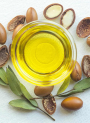
Argan Oil (Virgin - Deodorized)

Satin Cream Maker™

Para-Preserve (eq. Phenonip P4)
Mild Preserved Eco™ (Preservative-Free)

Tomato Extract (Lycopene)