Formulating a Serum with L-Ascorbic Acid, Hyaluronate, Argireline, Vitamin E, and Ferulic Acid
Question
I need advice on formulating a serum with the following active ingredients:
- Sodium Hyaluronate 25%
- L-ascorbic acid 15%
- Argireline 3%
- Vitamin E 0.1%
- Ferulic Acid 0.1%
Regarding L-ascorbic acid (Ultra-Fine):
- Can it be dissolved in water? Should it be?
- What is the best dissolution method to maintain its effectiveness and result in a serum that doesn't feel heavy on the skin?
- If L-ascorbic acid is dissolved in water, will it oxidize and degrade?
Also, should I adjust the percentage of any of these ingredients?
For anhydrous formulations, are there recommended methods to achieve a lightweight, non-sticky serum texture that absorbs easily?
What are the pros and cons of using a Silicone base (like Kiehl's) versus a Glycols base (like SkinCeuticals) for this type of serum?
Answer
Formulation Advice for Your Serum
Okay, I have reviewed the information about the ingredients you plan to use: L-ascorbic acid (Ultra-Fine), Sodium Hyaluronate, Argireline, Vitamin E (Tocopheryl Acetate), and Ferulic Acid.
Here is the information regarding your questions:
Dissolving L-Ascorbic Acid (Ultra-Fine)
L-ascorbic acid (Vitamin C) is highly effective but also very unstable, especially in water. The Ultra-Fine grade (Product ID: 133) is designed to disperse easily, particularly in water-free (anhydrous) formulations.
- Dissolving in water: While L-ascorbic acid powder can dissolve in water, it is not recommended for stability. It will quickly oxidize and lose its effectiveness when dissolved directly in water.
- Best dissolution method: To maintain the stability and efficacy of L-ascorbic acid, it is best formulated in an anhydrous base (without water) or in a water-based formula with a very low pH (ideally between 2.0-3.5, although cosmetic regulations often require pH 3.5 or higher). Anhydrous systems (like silicone or glycol bases) offer better stability for L-ascorbic acid. In water-based systems, a low pH is crucial, along with the addition of antioxidants like Ferulic Acid and Vitamin E, which help protect L-ascorbic acid from oxidation.
Oxidation of L-Ascorbic Acid in Water
Yes, dissolving L-ascorbic acid directly in water will cause it to oxidize rapidly. This leads to a loss of potency and the solution changing color (often turning yellow or orange). This is why stable L-ascorbic acid serums are typically formulated in anhydrous bases or carefully buffered low-pH water/solvent systems with antioxidants.
Ingredient Concentrations
Let's look at the proposed concentrations:
- L-ascorbic acid 15%: This concentration is within the effective range (typically 3-15%) for L-ascorbic acid to provide antioxidant benefits, stimulate collagen, and help with skin brightening. This concentration is appropriate if formulated correctly for stability.
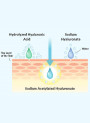
- Sodium Hyaluronate 25%: This concentration for Sodium Hyaluronate powder (such as Sodium Acetylated Hyaluronate, Product ID: 8240) is extremely high and likely not feasible in a serum. Sodium Hyaluronate is a powerful gelling agent that requires water to hydrate and function. At 25%, it would likely create an unusable, thick, sticky gel or paste rather than a serum, and it would be very difficult to dissolve properly. Typical usage rates for Sodium Hyaluronate powder in serums are much lower, usually ranging from 0.1% to 2%. You should significantly reduce the concentration of Sodium Hyaluronate.
- Argireline 3%: This concentration is within the recommended usage range (3-10%) for Acetyl Hexapeptide-8 (Product ID: 45). Argireline is typically supplied as a water-based solution.
- Vitamin E (Tocopheryl Acetate) 0.1%: This concentration is within the recommended range (0.1-1%). At 0.1%, it functions well as an antioxidant to protect the formula. If you intend it to also provide significant antioxidant benefits to the skin, a slightly higher concentration (e.g., 0.5%) could be considered, but note that higher amounts (>0.5%) can feel sticky. Vitamin E Tocopheryl Acetate (Product ID: 65) is oil-soluble.
- Ferulic Acid 0.1%: The recommended usage rate for Pure-Ferulic Acid (Product ID: 131) for anti-aging/anti-oxidation in skincare is 0.5-1%. While 0.1% might offer some protection to the formula itself, it is likely too low to provide optimal benefits to the skin, especially when paired with 15% L-ascorbic acid. Increasing this to 0.5% or 1% would enhance the serum's antioxidant power and stability, similar to well-known formulations like SkinCeuticals CE Ferulic (Product ID: 70). Ferulic Acid is not water-soluble and requires solvents like Ethoxydiglycol or ethanol.
Ingredient Compatibility Challenge: Your proposed list includes ingredients that require water to dissolve/function (Sodium Hyaluronate, Argireline) and ingredients that are unstable in water or require specific solvents (L-ascorbic acid, Ferulic Acid, Vitamin E). Creating a stable, homogenous serum with all these ingredients at effective concentrations presents a significant formulation challenge.
Achieving Light Texture in Anhydrous Formulations
If you choose an anhydrous base (which is better for L-ascorbic acid stability), achieving a light, non-greasy feel depends heavily on the choice of base ingredients.
- Using lightweight, volatile silicones (like Cyclopentasiloxane or low-viscosity Dimethicone) can provide a smooth, silky texture that feels lightweight and non-greasy on the skin due to the use of volatile silicones.
- Using specific glycols or esters that have a lighter feel can also help. Ethoxydiglycol, often used as a solvent for Ferulic Acid and L-ascorbic acid in anhydrous or low-water formulas, can contribute to a lighter feel compared to heavier glycols.
- Ensuring the L-ascorbic acid powder is well-dispersed (the Ultra-Fine grade helps with this) is also crucial to avoid a gritty or powdery texture.
Silicone vs. Glycol Bases for Anhydrous/Low-Water Formulas
Both silicone and glycol-based systems can be used for L-ascorbic acid serums, each with pros and cons:
- Silicone Base (like Kiehl's):
- Pros: Excellent for creating a smooth, silky texture that feels lightweight and non-greasy on the skin due to the use of volatile silicones. Provides good dispersion for powders like L-ascorbic acid. Offers good stability for L-ascorbic acid in an anhydrous environment.
- Cons: Silicones do not provide hydration themselves (though they reduce water loss). Some users prefer to avoid silicones. Incorporating water-soluble ingredients like Sodium Hyaluronate and Argireline into a silicone base is difficult.
- Glycol Base (like SkinCeuticals):
- Pros: Glycols (like Propylene Glycol, Butylene Glycol, Ethoxydiglycol) can act as solvents for actives and provide some humectant (moisture-binding) properties. A blend of glycols and a small amount of water at a low pH is a proven system for stabilizing L-ascorbic acid, especially when combined with Ferulic Acid and Vitamin E (Product ID: 70 is an example of this type of formula). Ethoxydiglycol is particularly useful for dissolving Ferulic Acid.
- Cons: Glycols can sometimes feel slightly sticky or warm on the skin depending on the type and concentration. Requires careful pH control for L-ascorbic acid stability. Incorporating high concentrations of gelling agents like Sodium Hyaluronate can still lead to texture issues.
In summary, dissolving L-ascorbic acid in plain water is not advisable due to oxidation. An anhydrous or low pH water/solvent system is necessary for stability. Your proposed concentrations need significant adjustment, particularly the Sodium Hyaluronate. Combining all your desired ingredients into a single, stable, light-textured serum is challenging due to their different solubility requirements. You might need to simplify the formula, use alternative ingredient forms, or employ advanced formulation techniques.
Related Products Mentioned
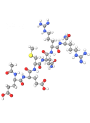
Acetyl Hexapeptide-8 (eq Argireline)
Vitamin E (Tocopheryl Acetate)
Vitamin C E Ferulic
Pure-Ferulic Acid™