Formulating a Shea Butter Balm with Cooling Effect
Question
I plan to make a balm using unrefined shea butter. I will heat the shea butter until it melts and then add the following ingredients:
- Palmitamide MEA 5%
- Tea Tree Oil 1%
- Stearyl Glycyrrhetinate 1.5%
- Menthone Glycerin Acetal (amount unknown)
My questions are:
- Will heating the shea butter dissolve the Palmitamide MEA?
- What percentage of Menthone Glycerin Acetal should I use to achieve a cooling sensation similar to 3% Menthol in some very cool balms (like cooling massage balms)?
- After cooling down, will the shea butter mixture solidify back into a solid form, or will it remain liquid?
Answer
Formulation Advice for Shea Butter Balm
Based on your plan to create a balm using heated shea butter, here's the information regarding the solubility of your ingredients and recommended usage:
Palmitamide MEA: Yes, heating shea butter until it melts (around 60-70°C) should allow Palmitamide MEA to dissolve. Palmitamide MEA is soluble in some oils with heat, and shea butter in its melted state acts as an oil phase. The suggested 5% usage is within the recommended range (0.5-5.0%) for Palmitamide MEA.
Tea Tree Oil: Tea Tree Oil is soluble in oil and can be added to the melted shea butter. Your proposed 1% usage is within the general range for body products (0.1-1%), but note that for facial skin, the recommended maximum is 0.5% due to potential irritation.
Stearyl Glycyrrhetinate: This ingredient is also soluble in oil. It can melt at room temperature, but heating it to 40-50°C helps it dissolve more easily and quickly. Your proposed 1.5% usage is within the recommended range (0.1-1.5%).
Menthone Glycerin Acetal (Freeze Me™): This cooling agent is soluble in oil. To achieve a cooling sensation comparable to 3% Menthol, you can start with the recommended usage rate of 5%. The usage range for Freeze Me™ is quite broad (0.1-30%), so you can adjust the percentage based on your desired level of coolness, staying within the maximum recommended rate.
Regarding the final consistency, shea butter is naturally solid at room temperature. When you heat it to melt and incorporate the other ingredients, it should solidify again as it cools down. The addition of these ingredients at the proposed percentages is unlikely to prevent the shea butter from solidifying, although the final texture might be slightly influenced by the added components.
Related Products Mentioned
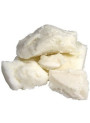
Shea Butter (Refined , Deodorised)
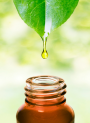
Tea Tree Oil (Extra Grade, Terpinen‑4‑OL >43%, Australian)
Palmitamide MEA