Formulating a Skin Tightening Cream for Sensitive, Acne-Prone Skin: BHA and L-Carnitine Compatibility
Question
I am formulating a cream for skin tightening on the cheeks, chin, and neck, specifically targeting areas with more volume (fat). I have sensitive, acne-prone skin and currently use BHA 2% which works well for clogged pores.
My proposed formula includes:
- Double Hyaluronic (Hyaluron) Gel base
- Acetyl L-Carnitine
- Sea Kelp Bioferment 5%
- Vitamin B3 5%
- Metabiotics™ Resveratrol 5%
- Gotu Kola (Centella Asiatica) Extract 5%
- Pepha®-Tight 3%
- Matrixyl™ 3000 5%
I need advice on the following:
- Is this formula suitable for my skin type and goals?
- Given my use of BHA, is it appropriate to include Acetyl L-Carnitine? What are the potential interactions or side effects?
- If I include L-Carnitine, how should I handle the pH adjustment?
- How should I mix these ingredients?
- What are the recommended storage conditions and container type for the finished product?
- Are there any specific storage requirements for Matrixyl™ 3000?
- Should I include a preservative, even if storing in the refrigerator?
Answer
Recommendations for Formulating a Face and Neck Tightening Cream
Hello! Based on our discussion and the formula you proposed, we have gathered information and additional recommendations to help you formulate a cream suitable for your skin type and needs.
Primary Goal: To tighten skin on the cheeks, chin, and neck, focusing on areas with more volume (fat), while also considering your sensitive, acne-prone skin and current BHA usage.
Key Ingredients Considered:
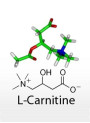
Acetyl L-Carnitine: This ingredient was initially suggested as it might help with localized fat reduction when applied topically. However, an important consideration is that L-Carnitine also has an exfoliating effect similar to BHA and has a relatively low pH, which could interfere with other ingredients in the formula.
Skin-Tightening Ingredients: Such as Pepha®-Tight and Matrixyl™ 3000. These ingredients focus on firming skin that is sagging or has wrinkles, but they do not directly target fat reduction.
Important Advice from the Experts:
BHA vs. L-Carnitine Usage: If you are currently using BHA 2% and it is working well for reducing clogged pores and improving skin texture, it is not recommended to stop using BHA, as it is difficult to find products that work well for sensitive skin. In this case, you should omit Acetyl L-Carnitine from your formula, as using it together with BHA might lead to excessive exfoliation and irritation.
Adjusted Formula: If you decide not to use L-Carnitine (and continue using BHA) the formula you proposed (excluding Acetyl L-Carnitine) is considered a good formula focusing on overall skin nourishment and firming. It includes:
- Double Hyaluronic (Hyaluron) Gel base
- Sea Kelp Bioferment 5%
- Vitamin B3 5%
- Metabiotics™ Resveratrol 5%
- Gotu Kola (Centella Asiatica) Extract 5%
- Pepha®-Tight 3%
- Matrixyl™ 3000 5%
Role of Other Ingredients in the Formula:
- Double Hyaluronic (Hyaluron) Gel base: Provides hydration and serves as the cream base.
- Sea Kelp Bioferment: Helps with hydration and can slightly increase the viscosity of the formula. Using it at 5% reduces the chance of leaving a film compared to 10%.
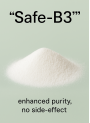
- Vitamin B3 (Niacinamide): Beneficial for sensitive and acne-prone skin, helps strengthen the skin barrier, reduces redness, and controls oiliness.
- Metabiotics™ Resveratrol: An antioxidant with anti-aging properties.
- Gotu Kola (Centella Asiatica) Extract: Known for its soothing, anti-inflammatory, and healing properties, suitable for sensitive and acne-prone skin.
- Pepha®-Tight: Provides a temporary skin-tightening effect.
- Matrixyl™ 3000: A peptide blend that helps stimulate collagen production, improving skin firmness and reducing wrinkles over time.
Mixing: You can generally mix all the ingredients together in one step. However, the resulting texture might be quite liquid or slightly viscous, depending on the gel base and Sea Kelp concentration.
pH Adjustment (If Using L-Carnitine): If you decide to stop using BHA and use L-Carnitine in your formula instead, you must measure the pH of the finished formula and adjust it to be within the appropriate range (should not be lower than 5), possibly using Triethanolamine (TEA) to increase the pH.
Preservative: It is highly recommended to include a preservative in your formula always, even if stored in the refrigerator, to prevent microbial growth.
Storage: The finished product should be stored in the refrigerator at all times to maintain the quality of the active ingredients.
Container: While a clear container allows you to easily observe changes in the product's appearance, most active ingredients in the formula are sensitive to light. It is best to store the product in an opaque container to prevent degradation.
Peptide Storage: You should check the specific storage instructions for Matrixyl™ 3000, as some peptides may have special requirements.
In Summary: The main recommendation is to consider whether you want to continue using your effective BHA treatment. If you continue using BHA, omit Acetyl L-Carnitine from the formula and use the other ingredients you proposed to focus on overall skin nourishment and firming. Remember to include a preservative, store in the refrigerator, and ideally use a light-opaque container.
Related Products Mentioned

Pal-GHK, Pal-GQPR (eq Matrixyl 3000)
Safe-B3™ (Vitamin B3, Niacinamide)

Sea Kelp Extract
L-Carnitine (Carnitine)